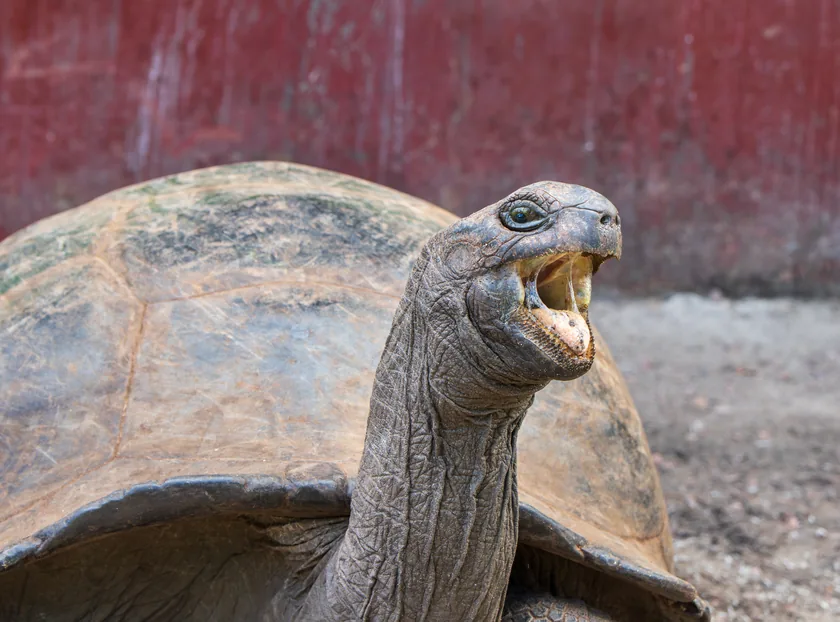
Aldabra's giant tortoises number about 180,000
A new atoll-wide estimate from the Seychelles Islands Foundation and the University of Exeter is the largest on record, and it mostly corrects older surveys that missed animals in the shade.

Read the original
The reporting lives at University of Exeter. Our summary is checked against it, and we link it on every story.
Researchers put the number of Aldabra giant tortoises on Aldabra Atoll at about 180,000, the largest estimate ever recorded for the species. The University of Exeter reported on October 7, 2026, that the best estimate is almost 183,000 adults and sub-adults, and that the population looked stable from 2018 to 2022. The work, with the Seychelles Islands Foundation, is published in Ecology and Evolution.
It is the first rigorous count across the whole atoll since a late-1990s figure of about 100,000. The new total does not mean the tortoises nearly doubled. Earlier surveys missed animals in scrub and shade. The team used Bayesian hierarchical distance sampling. Hunting in the 19th century cut the population to fewer than 1,000. Aldabra became a strict nature reserve in 1981 and a UNESCO site in 1982. Goats were removed in 2012. Feral cats and black rats still eat eggs and hatchlings, and drought and rising seas remain future pressures. The densest groups are on the short tortoise turf. Aldabra and the Galápagos are the only places with wild giant tortoises. Seychelles Islands Foundation chief executive Frauke Fleischer-Dogley, Nancy Bunbury, and Exeter researcher Dave Hudson described the count as a baseline, not a reason to relax protection.
For the classroom
Aldabra giant tortoises live on a remote atoll in Seychelles. A new study estimates about 180,000 adults and older juveniles, the highest count on record. The higher number mostly means earlier surveys missed tortoises in the shade. Cats and rats still eat eggs, so the animals still need protection.
- Why is the new tortoise count higher than the old one?
- What almost wiped these tortoises out long ago?
- What still threatens the eggs and hatchlings?
For a teacher to read with a class. Print the story of the day · All classroom stories
More good news
Other stories in the same neighborhood of kindness.
 Science
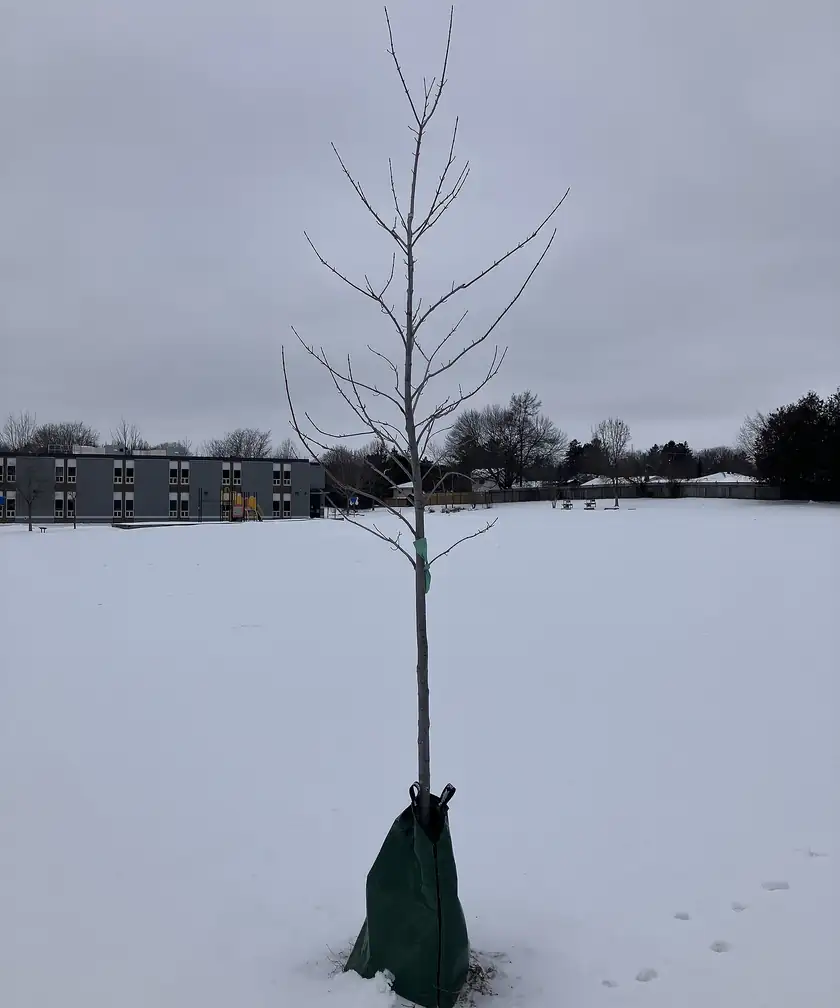
Eighty volunteers planted native trees at Spokane's Waikiki Springs
The Inland Northwest Land Conservancy and wildlife crews are restoring 10 acres of floodplain on the Little Spokane River. Volunteers from age 6 to 80, including refugee teens, came to plant.
Verified · The Spokesman-Review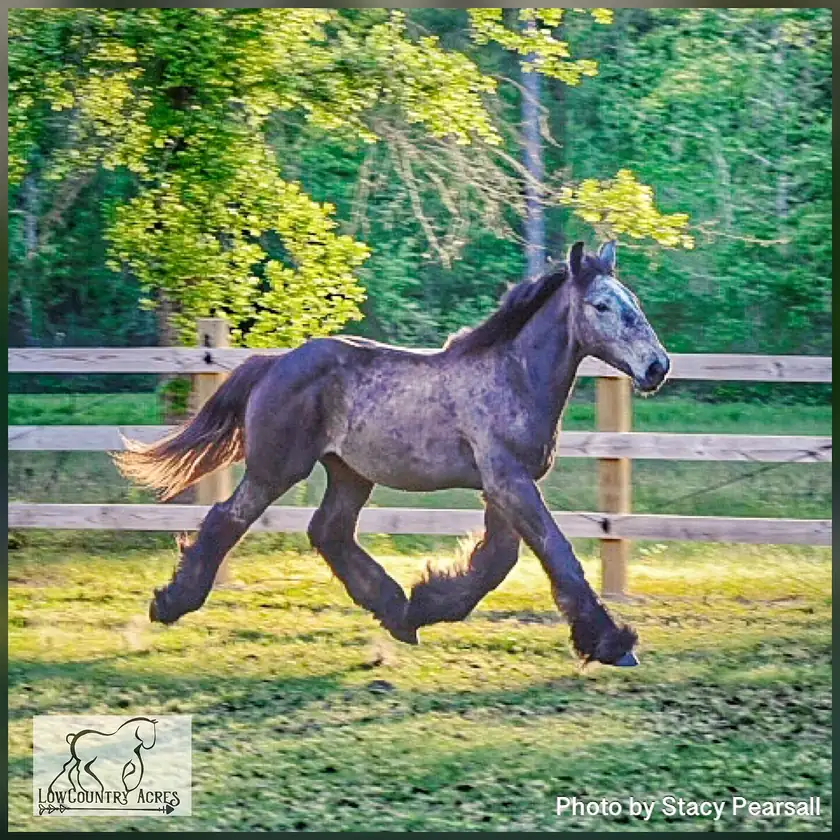 Science
A Vermont horse logger and his Belgian, Ted, keep an old craft going
John Smolinsky of Earthbound Forestry uses his one-ton horse on small, steep, and sensitive woodlots. A horse compacts the soil far less than a heavy skidder.
Verified · Vermont Public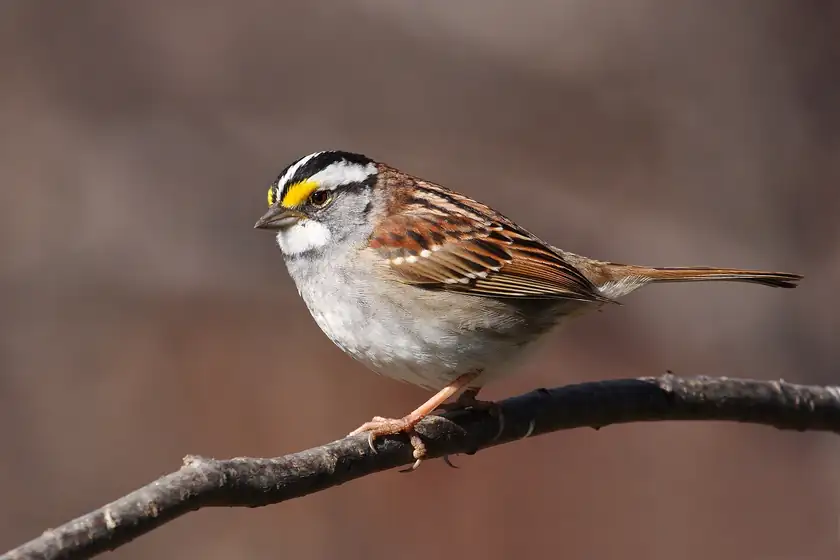 Science
Volunteers restored habitat at an Oklahoma preserve during fall migration
Nature Conservancy staff and Southeastern Oklahoma State volunteers worked at Pontotoc Ridge Preserve while hundreds of millions of birds pass over the state.
Verified · KOSU / StateImpact Oklahoma