Eleven Aldabra tortoise eggs hatched in a Cousin Island trial
Nature Seychelles said 11 of 16 eggs hatched over the weekend of October 31. The hatchlings stay at the field center until the underside of the shell closes.

Read the original
The reporting lives at Nature Seychelles. Our summary is checked against it, and we link it on every story.
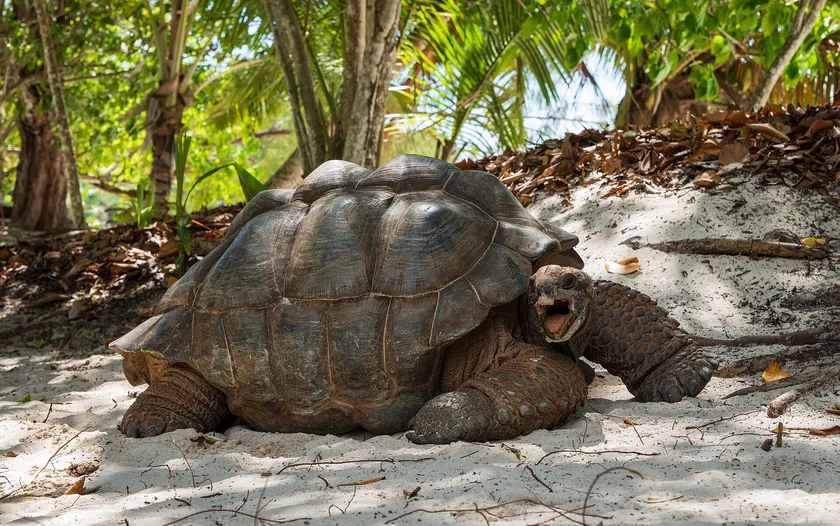
Eleven Aldabra giant tortoise eggs hatched in a controlled trial on Cousin Island Special Reserve. Nature Seychelles announced the result on November 6, 2026. Science officer Chris Tagg had collected the nest, the first gathered this year, and 11 of its 16 eggs hatched over the weekend of October 31 to November 1. Two or three more were still expected. The team set this batch shallower in the sand than earlier trials. The group said the work is still a test, not a finished answer to why so many wild eggs fail.
Over recent years the organization watched more than 15 giant tortoise nests on the island, and only one hatched successfully in the wild. Working with Seychellois scientist Alessia Lavigne, the team found that some failed eggs had been fertilized and had started to develop, then stopped. Three nests are in the current study. Two failed, and one other egg showed very early development and then stopped. The new hatchlings are at the field center, weighed and measured each day, and fed fresh water and leaves such as hibiscus and morning glory. Volunteers help with feeding and cleaning under Tagg's direction. The plastron, the underside of the shell, is not sealed yet, so they cannot be released. Recent rain has brought the island's plants back, unlike an earlier hatching that had to wait through a drought. The news is these 11 hatchlings and the trial. It is not a release, and it is not a new count of tortoises on the island.
For the classroom
Eleven baby giant tortoises hatched on Cousin Island in the Seychelles. Nature Seychelles announced it on November 6, 2026. They came from one nest of 16 eggs over the weekend of October 31. Two or three more eggs may still hatch. The team set this batch shallower in the sand to see if that helps. In recent years only one wild nest hatched on its own. The babies stay at a field center until the bottom of the shell, the plastron, closes. Recent rain has brought plants back, which should help when they are ready.
- Why would scientists move eggs into a hatchery instead of leaving every nest in the sand?
- What has to happen to a baby tortoise's shell before it can walk free with the adults?
For a teacher to read with a class. Print the story of the day · Morning announcements · All classroom stories · This week's Good News Friday pack
Cousin Island, SeychellesWildlife conservationParksGood news on November 6
More good news
Other stories in the same neighborhood of kindness.
 Science
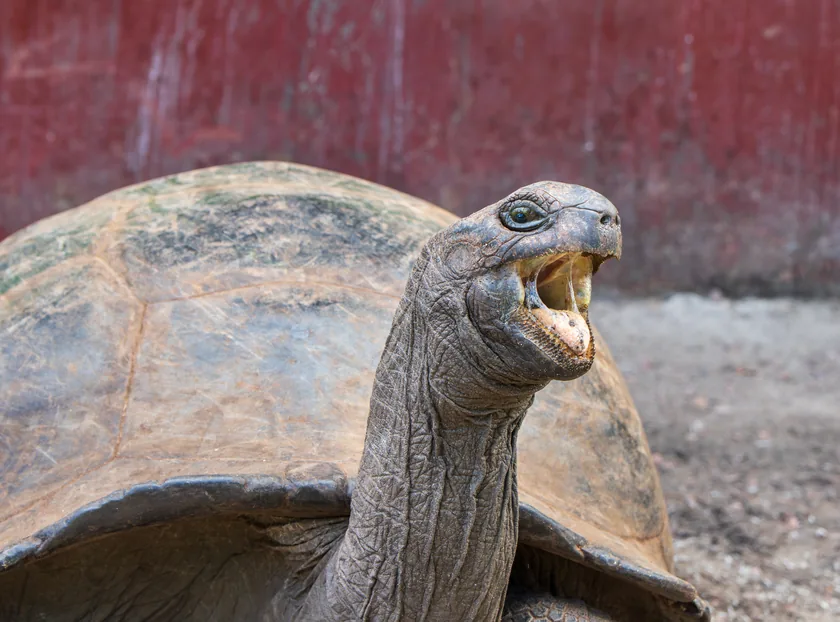
Aldabra's giant tortoises number about 180,000
A new atoll-wide estimate from the Seychelles Islands Foundation and the University of Exeter is the largest on record, and it mostly corrects older surveys that missed animals in the shade.
Verified · University of Exeter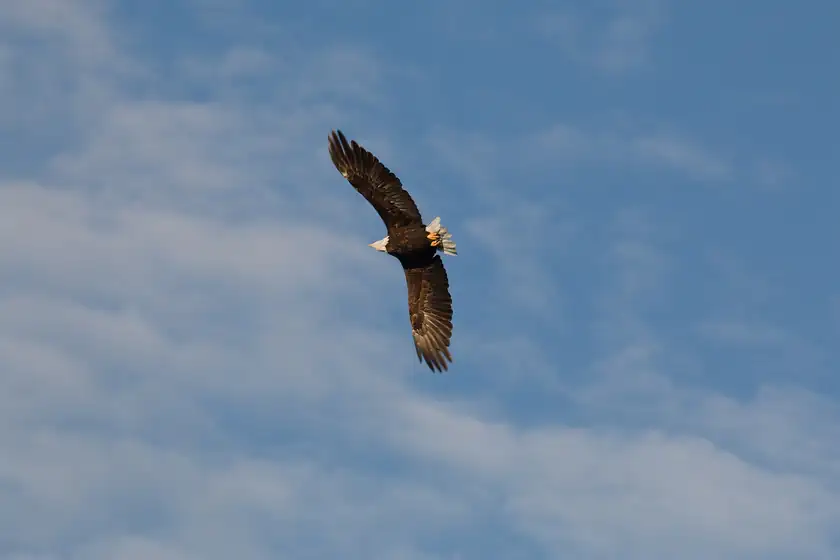 Animals
A bald eagle flew free after two months of care in Asheboro
The North Carolina Zoo's wildlife rehab center nursed a female bald eagle found barely responsive in a landfill, then released her at the zoo in the center's 25th year.
Verified · WCTI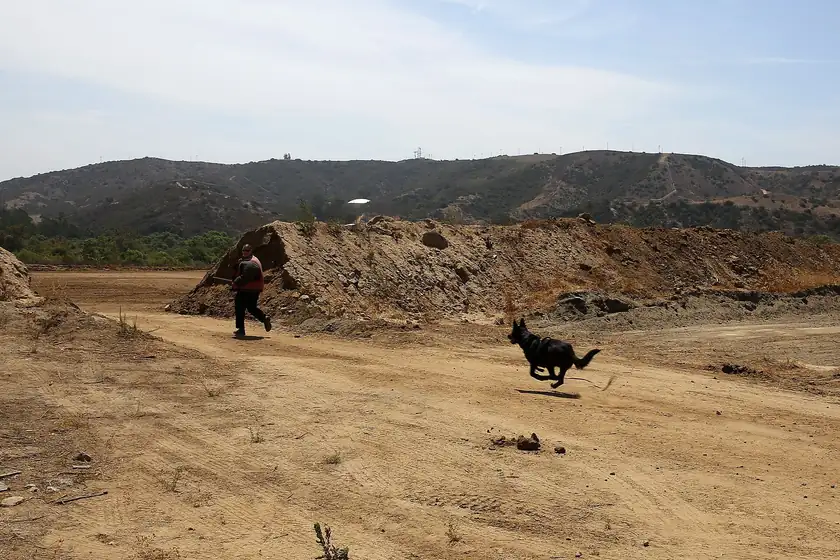 Animals
Hundreds of shelter pets went home from a Houston adoption weekend
A two-day Petco Love event at Reliant Arena drew thousands of people. Several hundred dogs and cats from South Texas shelters were adopted, and Sunday's fees were waived.
Verified · Houston Chronicle