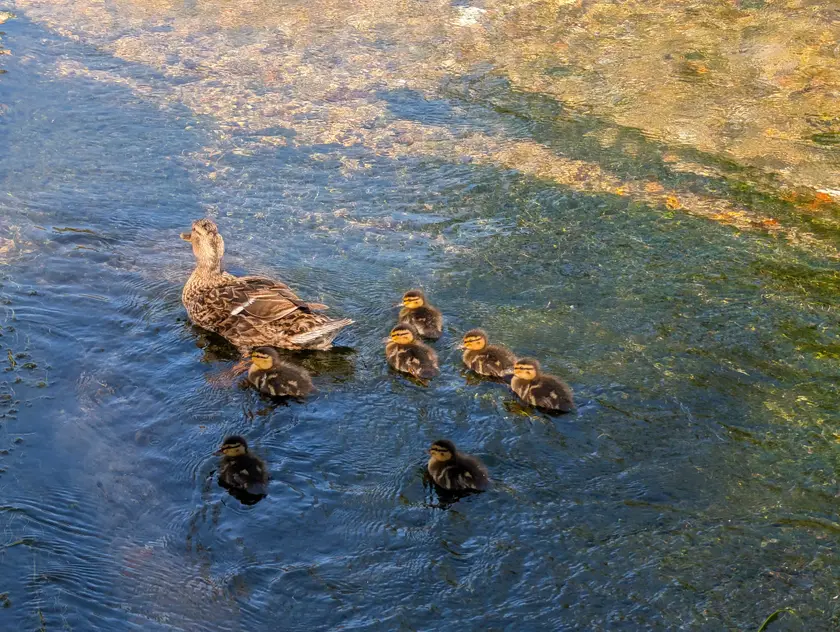
Road workers in Alexandra pulled a brood of ducklings out of a drain
A cyclist on the rail trail spotted the birds in a mudtank. Contractors climbed down, and the mother duck later crossed the road with her brood while people watched for cars.

Read the original
The reporting lives at RNZ. Our summary is checked against it, and we link it on every story.
Fulton Hogan road workers pulled six to eight ducklings out of a mudtank in Alexandra on Wednesday morning. RNZ reported the rescue on October 21, 2026.
Cyclist Barbara Hall saw the birds from the rail trail that runs from Clyde. The mother duck was distressed. One worker held another's legs so he could reach farther down the drain. After the ducklings were out, the mother and about a dozen ducklings crossed the road while people watched for cars.
The account is this one brood and the people who stopped. It is not a survey of ducks on the trail.
For the classroom
Radio New Zealand reported on October 21, 2026, that road workers in Alexandra, in Central Otago, rescued ducklings from a drain. On Wednesday morning, cyclist Barbara Hall saw them in a mudtank beside the rail trail from Clyde. The mother duck was upset. Fulton Hogan contractors pulled six to eight ducklings out. One worker held another worker's legs so he could reach farther down. Afterward the mother and about a dozen ducklings crossed the road, and people watched for cars. The story is one family of ducks getting out of a drain, not a count of every bird in town.
- What did the cyclist do that the ducklings could not do for themselves?
- Why did people need to watch the road after the rescue?
- What should you do if you see a wild animal stuck somewhere unsafe?
For a teacher to read with a class. Print the story of the day · All classroom stories
More good news
Other stories in the same neighborhood of kindness.
 Animals
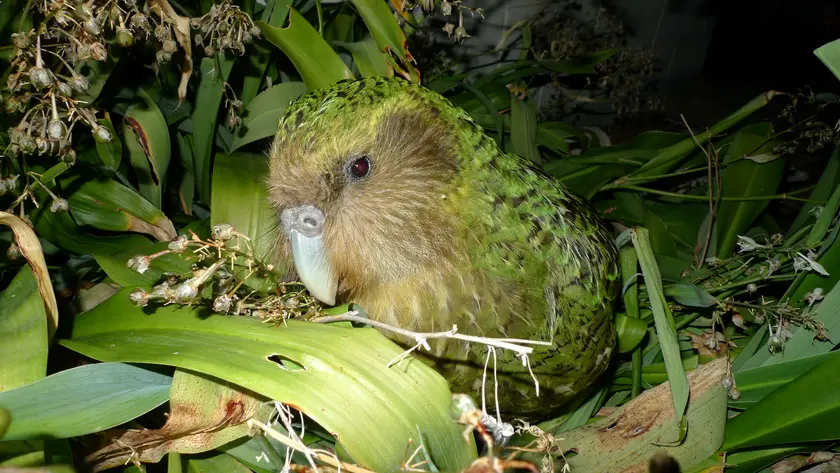
Two more kākāpō joined a fenced Waikato sanctuary, along with giant wētā
Sanctuary Mountain Maungatautari now has five kākāpō in a mainland trial, and 122 Mahoenui giant wētā were released into the same fenced forest.
Verified · RNZ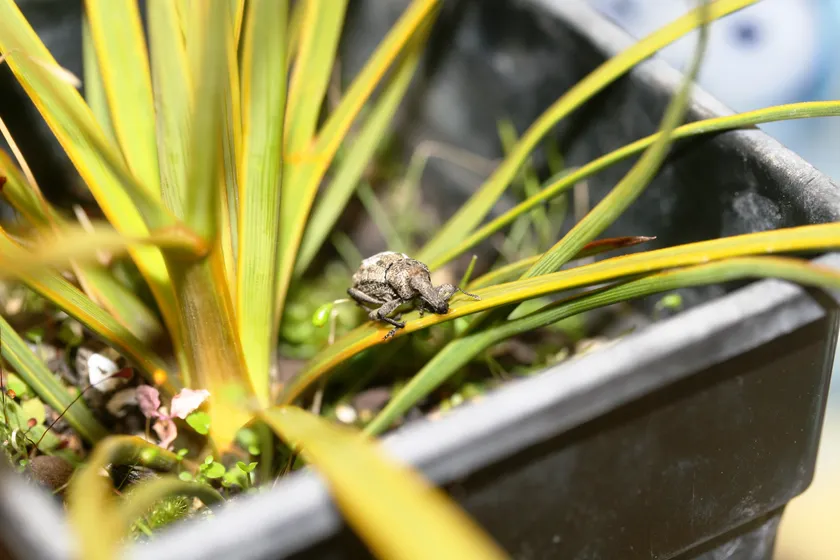 Animals
About 216 Canterbury knobbled weevils left captivity for the foothills
A breeding effort that started with six insects produced three generations. The Department of Conservation has put about 216 into the Ashburton Lakes on a trial release.
Verified · The Press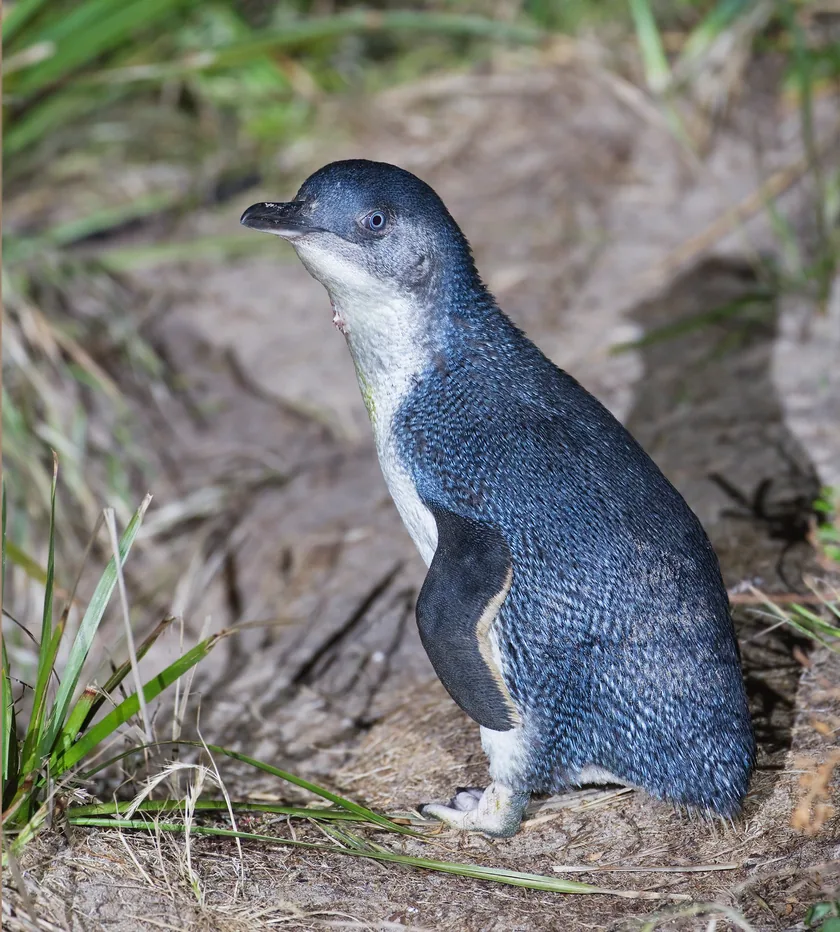 Animals
Hidden nest sites give little blue penguins a quieter shore
Around Kaikōura, a wildlife trust and volunteers built predator-controlled nesting reserves and are keeping the locations private so people do not disturb the birds.
Verified · RNZ