Two more kākāpō joined a fenced Waikato sanctuary, along with giant wētā
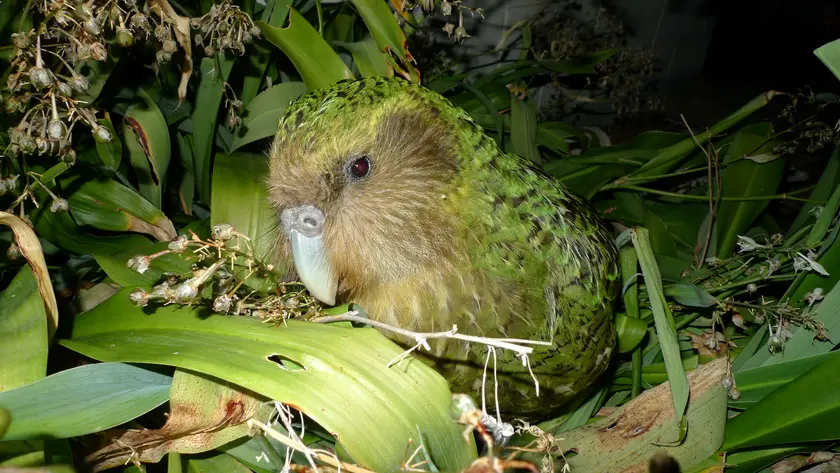
Sanctuary Mountain Maungatautari now has five kākāpō in a mainland trial, and 122 Mahoenui giant wētā were released into the same fenced forest.

Read the original
The reporting lives at RNZ. Our summary is checked against it, and we link it on every story.
Two male kākāpō have joined the three already living at Sanctuary Mountain Maungatautari, bringing the mainland trial to five birds. RNZ reported the arrivals on October 22, 2026.
The Waikato ecosanctuary sits inside a predator-proof fence about 47 kilometres long, on more than 3,363 hectares that hold hundreds of native species. The kākāpō have been there since 2023 as a test of how the birds use fenced forest on the mainland, rather than only on offshore islands. Annie Wallace, acting operations manager for the Department of Conservation, said the two extra males help show how kākāpō use that habitat. The national population is 325 after a strong breeding season. The trial is a partnership among the Department of Conservation's Kākāpō Recovery programme, Te Rūnanga o Ngāi Tahu, and mana whenua.
On the same sanctuary, 122 Mahoenui giant wētā were released on Thursday. They were bred at Ōtorohanga Kiwi House with Ngāti Maniapoto. The release comes a little over a year after 192 of the insects were moved there last August.
For the classroom
Radio New Zealand reported on October 22, 2026, that two male kākāpō had joined three birds already living at Sanctuary Mountain Maungatautari in the Waikato. Five kākāpō are now in this mainland trial, inside a predator-proof fence about 47 kilometres long. The national population is 325 after a strong breeding season. The Department of Conservation, Ngāi Tahu, and local iwi are working together on the trial. The same week, 122 Mahoenui giant wētā raised at Ōtorohanga Kiwi House with Ngāti Maniapoto were released at the sanctuary. A year earlier, 192 of these large insects had been moved there.
- Why would a flightless parrot need a fence around a whole forest?
- What is one way people and local iwi can look after a rare animal together?
- How is a giant wētā different from a bird that shares the same sanctuary?
For a teacher to read with a class. Print the story of the day · All classroom stories
More good news
Other stories in the same neighborhood of kindness.
 Animals
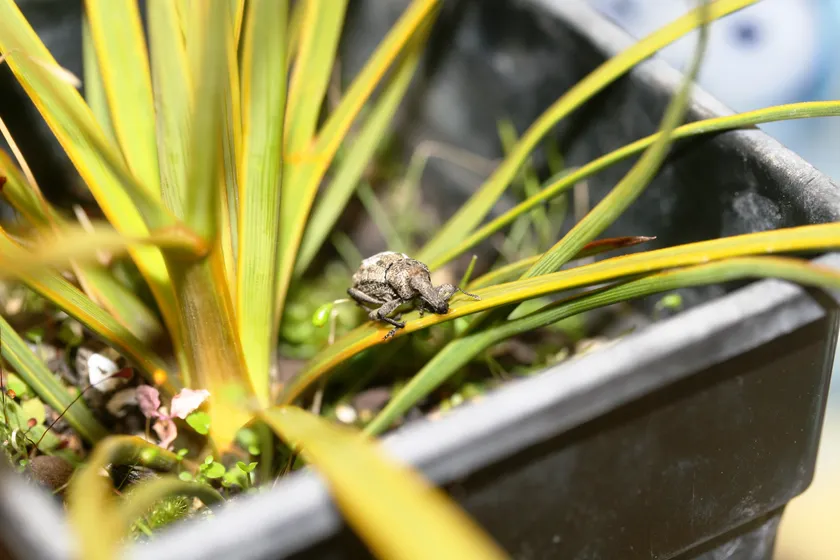
About 216 Canterbury knobbled weevils left captivity for the foothills
A breeding effort that started with six insects produced three generations. The Department of Conservation has put about 216 into the Ashburton Lakes on a trial release.
Verified · The Press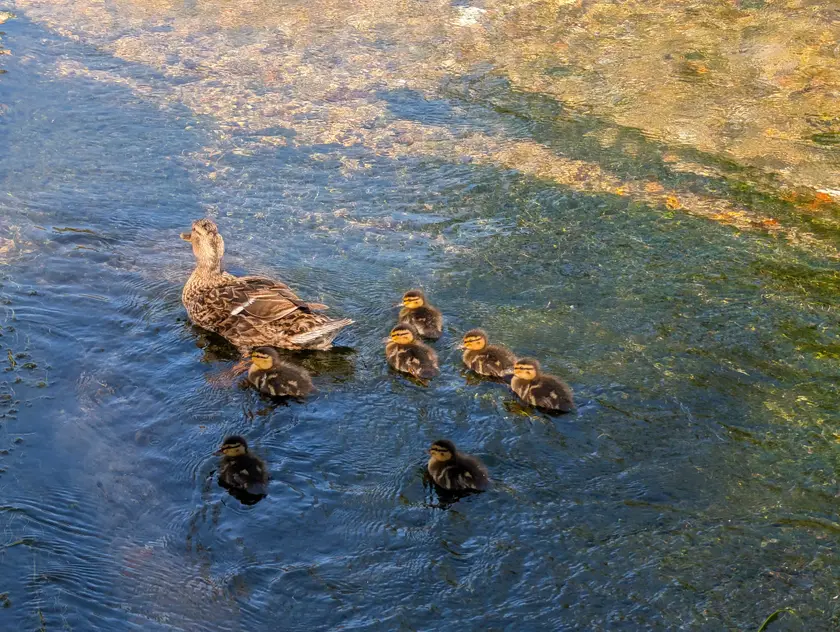 Animals
Road workers in Alexandra pulled a brood of ducklings out of a drain
A cyclist on the rail trail spotted the birds in a mudtank. Contractors climbed down, and the mother duck later crossed the road with her brood while people watched for cars.
Verified · RNZ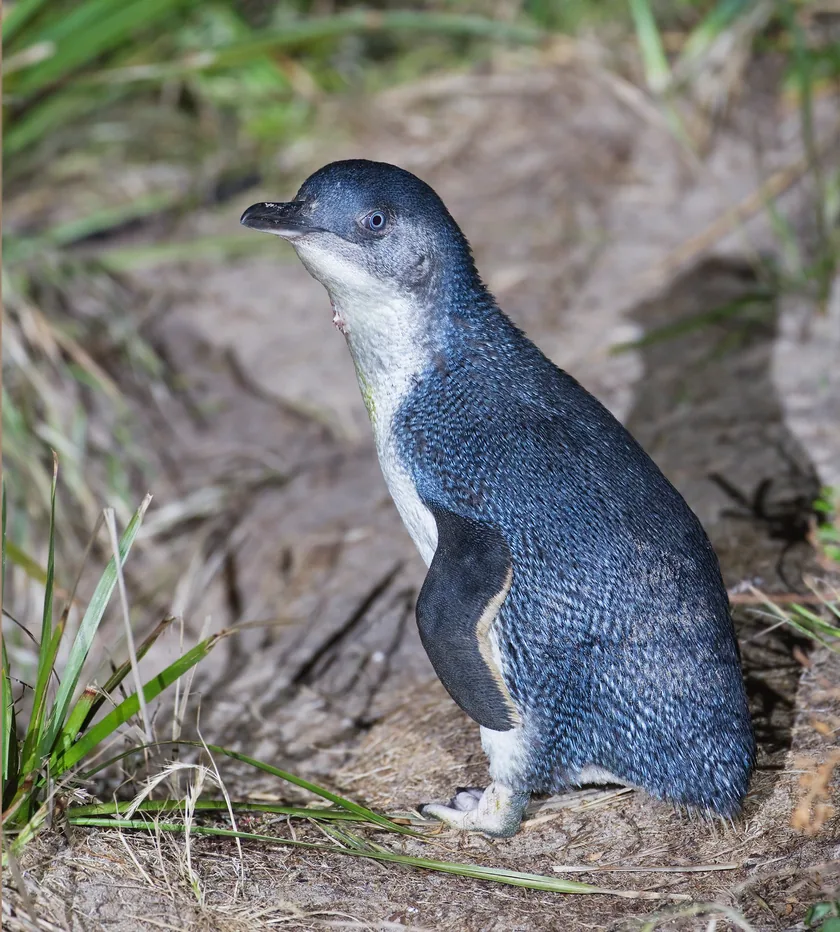 Animals
Hidden nest sites give little blue penguins a quieter shore
Around Kaikōura, a wildlife trust and volunteers built predator-controlled nesting reserves and are keeping the locations private so people do not disturb the birds.
Verified · RNZ