Eleven chevron skinks went home to Aotea after decades at the zoo
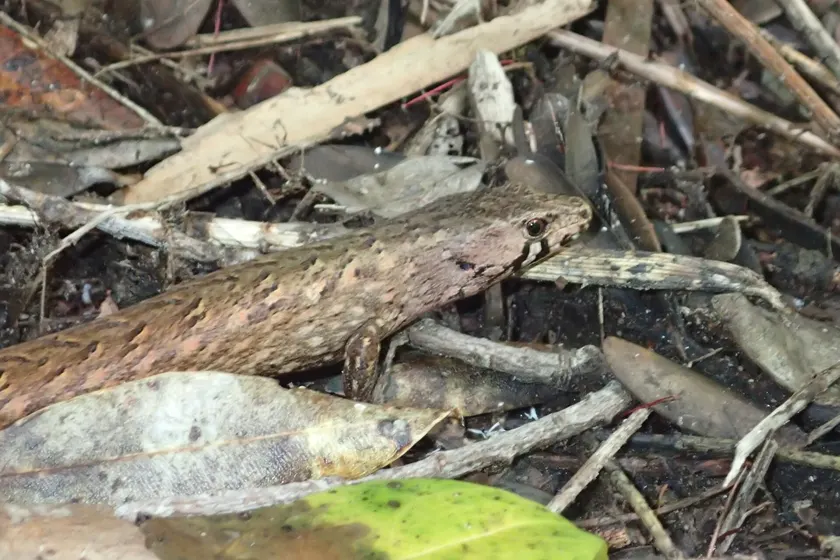
The Department of Conservation said eleven niho taniwha, New Zealand's longest lizards, were released at Glenfern Sanctuary on November 23 after a line that began with three injured animals in the 1990s.

Read the original
The reporting lives at Department of Conservation. Our summary is checked against it, and we link it on every story.
Eleven niho taniwha, the chevron skinks that are New Zealand's longest lizards, were released on November 23, 2026, at Glenfern Sanctuary on Aotea, also called Great Barrier Island. The Department of Conservation said Ngāti Rehua–Ngātiwai ki Aotea Trust, Auckland Zoo, and the sanctuary carried out a return that iwi had wanted for years. The species is listed as threatened and nationally vulnerable. It grows up to 30 centimetres from nose to tail and is now found only on Aotea and Te Hauturu-o-Toi, Little Barrier Island.
Three injured skinks left Aotea for care at Auckland Zoo between 1997 and 1999. They bred there. The group grew to two of the original adults and 19 zoo-bred animals. The eleven released on Monday join ten put into the predator-controlled sanctuary in July. At the zoo they spent weeks getting used to bamboo tubes. Small transmitters were taped to their tails, and they were set down inside those tubes so they would have a place to come back to.
Auckland Zoo's Richard Gibson said a Unitec master's student, Sophie Whittall, is using the radios to learn whether the tubes help and how the July group, the November group, and wild skinks behave after a move. Kaumātua Rodney Ngāwaka called the skink a jewel of Aotea and said the return reconnects the animals with their whakapapa. DOC's Fletcher Beazley said a pōwhiri at Matariki welcomed the species, and that some people helped place the bamboo shelters. The report is this release and the tracking that follows. It does not say the sanctuary population is secure on its own yet.
For the classroom
New Zealand's Department of Conservation said eleven chevron skinks went back to Aotea, also called Great Barrier Island, on November 23, 2026. People there call the lizard niho taniwha. It can grow about 30 centimetres long and now lives on only two islands. Three injured skinks left the island for Auckland Zoo between 1997 and 1999 and had young there. These eleven join ten released in July at Glenfern Sanctuary, where predators are controlled. Keepers gave them bamboo shelters and tiny radios on their tails so researchers can see whether the shelters help. Ngāti Rehua kaumātua Rodney Ngāwaka called the skink a jewel of the island.
- Why might a bamboo tube help a skink settle into a forest it has never lived in?
- What is one animal where you live that people work to keep safe?
For a teacher to read with a class. Print the story of the day · Morning announcements · All classroom stories · This week's Good News Friday pack
Great Barrier Island, New ZealandWildlife conservationIndigenous communitiesZoosGood news on November 23
More good news
Other stories in the same neighborhood of kindness.
 Animals
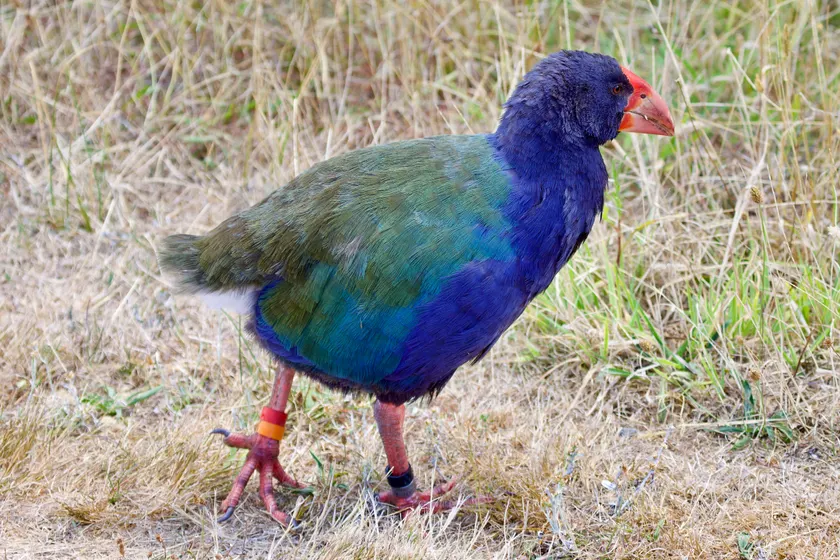
Farewell Spit's new habitat has its first takahē chick
RNZ reported that a pair moved to the Onetahua project in May has a chick about six weeks old, the first for a fenced habitat at the top of the South Island.
Verified · RNZ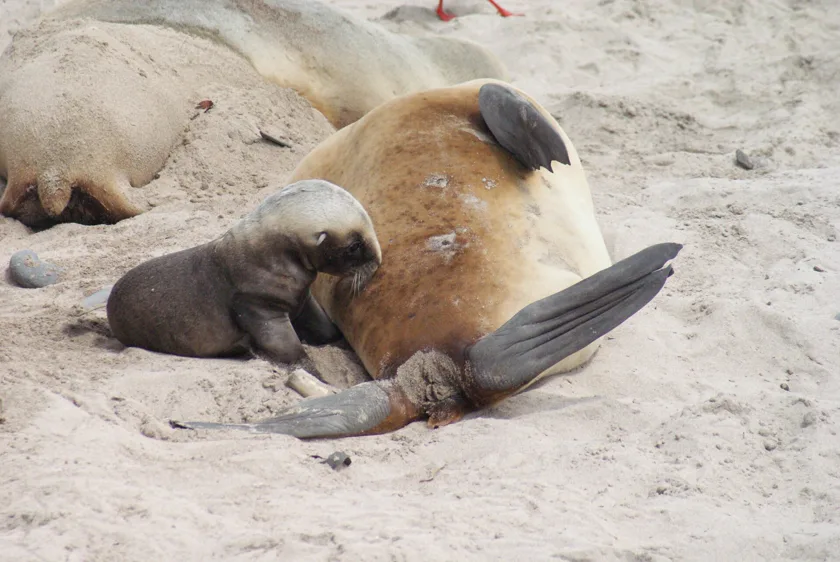 Animals
A Dunedin plant nursery has become a maternity ward for sea lions
RNZ reported that pregnant New Zealand sea lions are climbing the fences at a Smaills Beach nursery, and that one named Tektite gave birth behind a volunteer shelter.
Verified · RNZ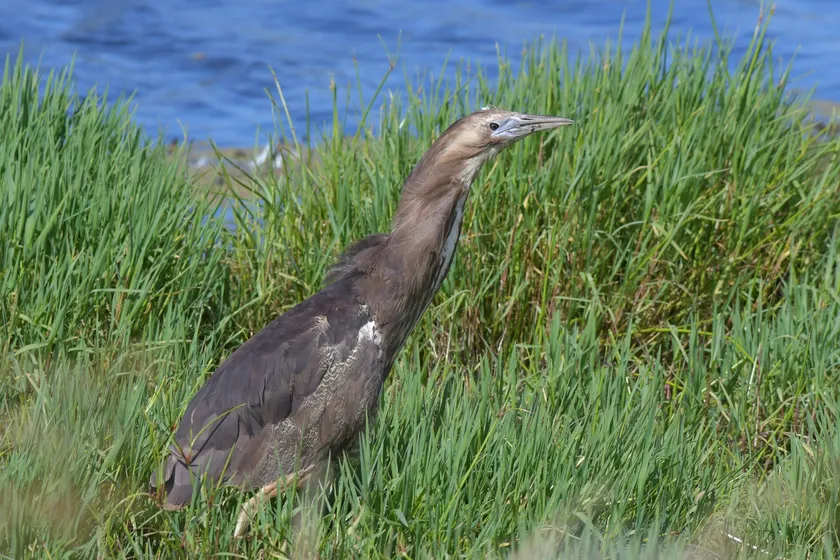 Animals
A heat-sensing drone picked a bittern out of a Canterbury wetland
Discover Wildlife reported that a Department of Conservation staffer watched a thermal drone find a matuku-hūrepo, a bird so camouflaged that about 50 remain in Canterbury.
Verified · Discover Wildlife