A heat-sensing drone picked a bittern out of a Canterbury wetland
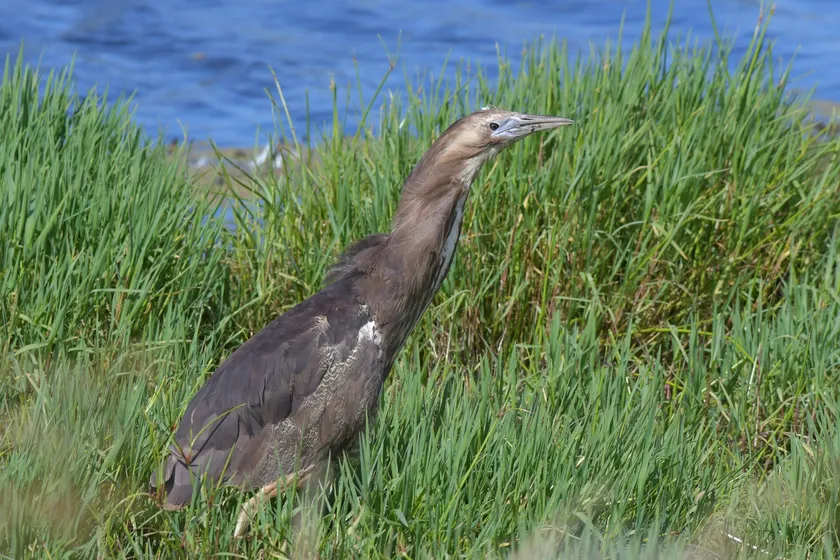
Discover Wildlife reported that a Department of Conservation staffer watched a thermal drone find a matuku-hūrepo, a bird so camouflaged that about 50 remain in Canterbury.

Read the original
The reporting lives at Discover Wildlife. Our summary is checked against it, and we link it on every story.
Discover Wildlife reported on November 16, 2026, that conservation teams in New Zealand are using thermal drones to find Australasian bitterns, birds that match the reeds so well they are rarely seen. Jo Malcolm, of the Department of Conservation, wrote that watching a drone mark one matuku-hūrepo felt like spotting a needle in a haystack. She put the Canterbury population at about 50 birds and the national total at about 1,000. The department's own pages say the bird matters in Māori stories and place names, and that it was common when Europeans arrived and is now usually seen one at a time.
In the footage described by the magazine, the wetland looks like a tangle of plants until the heat view turns the bird into a bright speck. Malcolm tied that skill to Environment Canterbury's Whakaora Te Waihora project, whose aim is to keep the birds from declining. The article does not name the exact pond in the clip. The news is that a heat sensor can find a bird people cannot see. It is not a new census, and it is not a claim that the population has recovered.
For the classroom
Discover Wildlife reported on November 16, 2026, that conservation workers in Canterbury, New Zealand, are using a drone with a heat sensor to find Australasian bitterns. The birds are brown and streaked like the reeds, so a person looking down can miss them. On a heat picture the bird shows up as a bright speck. Jo Malcolm, of the Department of Conservation, said it felt like finding a needle in a haystack. She said about 50 of these birds remain in Canterbury and about 1,000 in all of New Zealand. Māori know the bird as matuku-hūrepo. Finding one bird is not the same as saying the species is safe.
- Why is a bird that looks like the reeds harder to protect?
- What could a heat sensor see that your eyes would miss?
For a teacher to read with a class. Print the story of the day · Morning announcements · All classroom stories · This week's Good News Friday pack
Christchurch, New ZealandBirdsWildlife conservationGood news on November 16
More good news
Other stories in the same neighborhood of kindness.
 Animals
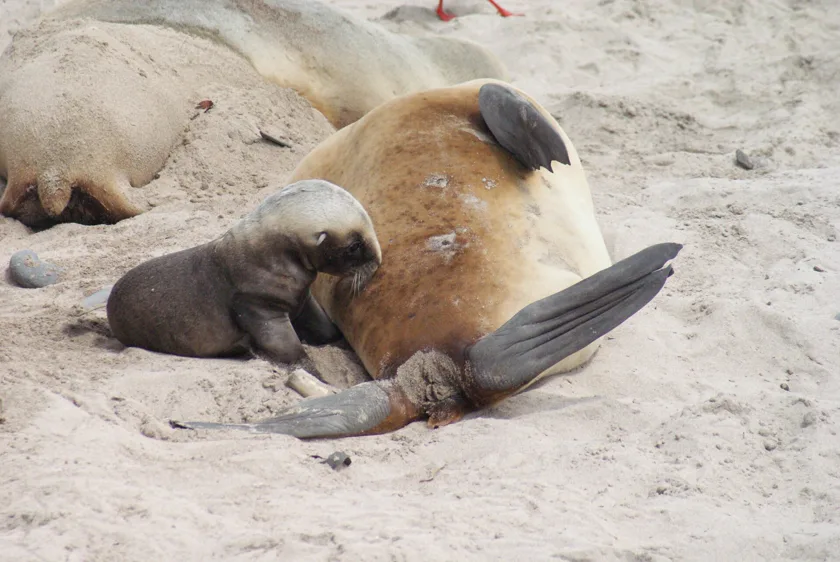
A Dunedin plant nursery has become a maternity ward for sea lions
RNZ reported that pregnant New Zealand sea lions are climbing the fences at a Smaills Beach nursery, and that one named Tektite gave birth behind a volunteer shelter.
Verified · RNZ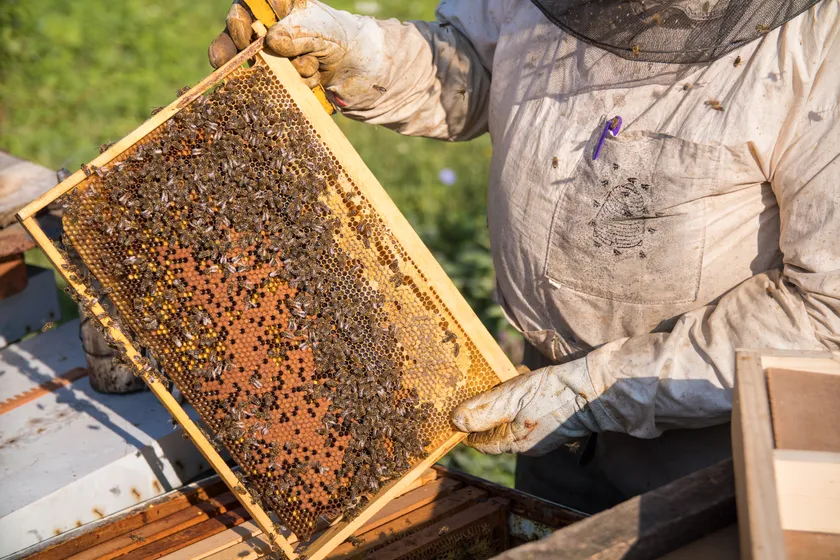 Animals
Auckland beekeepers are answering a rush of swarm calls
The Guardian reported that the Auckland Beekeepers Association is taking five to ten swarm calls a day after a mild winter, and that the extra swarms can also mean the colonies built up well.
Verified · The Guardian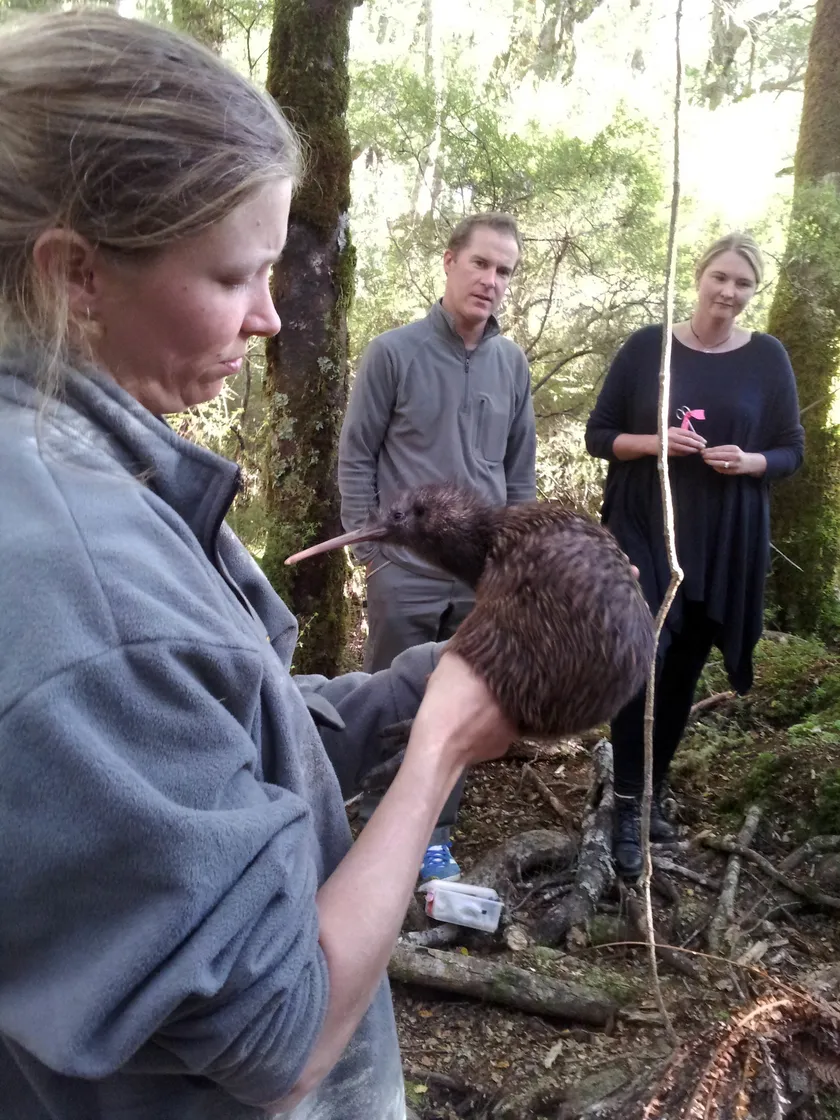 Animals
Waitomo neighbours practised traps before the first kiwi arrive
King Country News reported that about 40 landowners met Rick and Moira Haddrell, who hold a permit to bring 20 western brown kiwi to their farm in April, with more planned later. No birds have been moved yet.
Verified · King Country News