Scientists named five new miniature frog species in Arunachal Pradesh
The BBC reported that a Delhi and Harvard team described the frogs after five years of fieldwork, including the first frog in India known to eat snails.

Read the original
The reporting lives at BBC News. Our summary is checked against it, and we link it on every story.
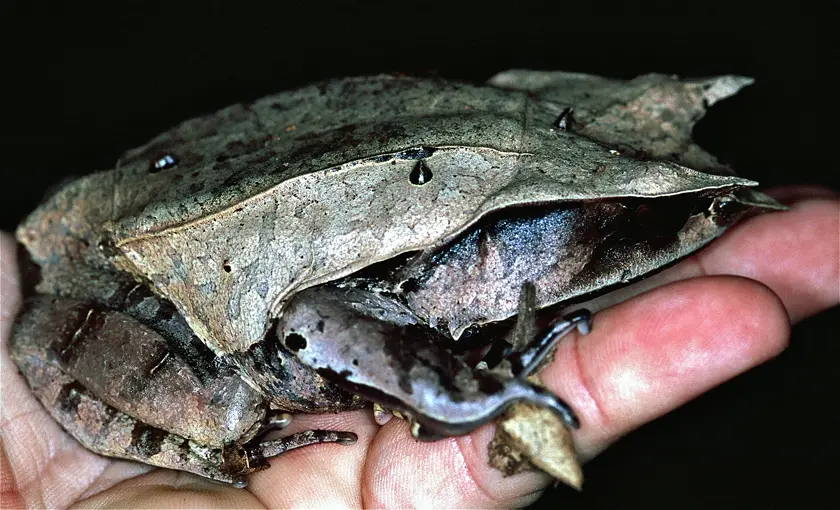
Scientists have named five new species of tiny horned frogs from Arunachal Pradesh, in India's eastern Himalayas, more than doubling the known species in the group. BBC News reported the work from a paper published on November 11, 2026, in Royal Society Open Science. A team from the University of Delhi and Harvard University identified the frogs as Jingophrys after five years of fieldwork. One of them, Jingophrys tanogogo, eats snails. It is the first frog known in India with that diet, and the first member of its family recorded eating snails. Sonali Garg, who led the study at Harvard's Museum of Comparative Zoology, said large evolutionary changes can go unnoticed in little-studied animals. The team also included James Hanken, S. D. Biju, Tage Tajo, and Radhakrishna Upadhyaya K.
Biju said some of the new species are extremely secretive and turn up in remote forests only during a short breeding season. Researchers said more work is needed on their biology and on what conservation they need. DNA work showed the horned frogs split into multiple species in the eastern Himalayas as the mountains rose and the Asian monsoon took shape. The researchers said local tribes gave essential field support, and some names honor those communities. Jingophrys taniitatii, the Tanii horned frog, joins the name of the Tanii people with tatti, the word for frog in Apatani. The other new names are Jingophrys siangensis, Jingophrys hrdy, and Jingophrys wularsoni. The paper describes animals that were already in those forests. It does not say how many individuals of each species remain.
For the classroom
BBC News reported that scientists named five new kinds of tiny horned frogs in Arunachal Pradesh, in the eastern Himalayas of India. A team from the University of Delhi and Harvard University spent five years on fieldwork. The frogs belong to a group called Jingophrys. One of them eats snails. It is the first frog in India known to do that. Local tribes helped the researchers in the forest. One frog is named for the Tanii people and for their word for frog. The paper was published on November 11, 2026. Scientists still need to learn how to protect the new species.
- Why would a frog that eats snails be a surprise to scientists?
- The frogs live in the eastern Himalayas. What is one thing you know about those mountains?
For a teacher to read with a class. Print the story of the day · Morning announcements · All classroom stories · This week's Good News Friday pack
Itanagar, IndiaWildlife conservationIndigenous communitiesGood news on November 12
More good news
Other stories in the same neighborhood of kindness.
 Science
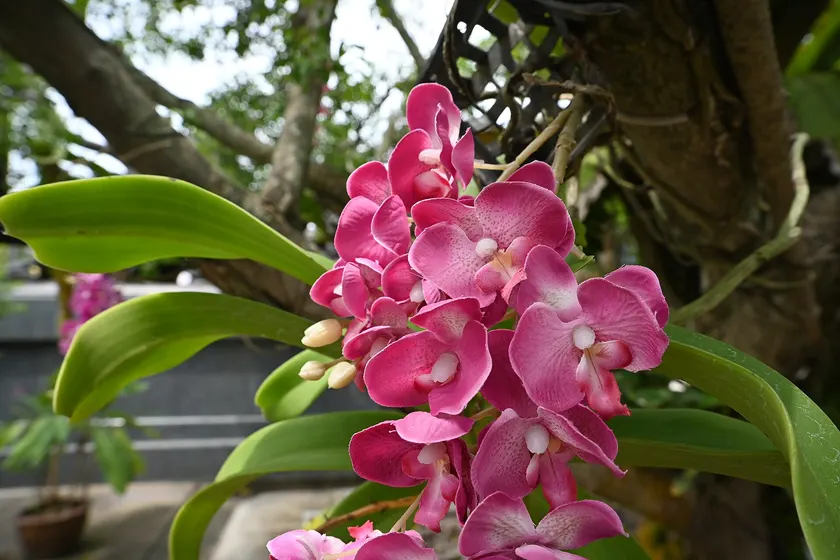
More than 19,500 rescued orchids are still alive near Kozhikode
Researchers tied 27,324 tree-growing orchids onto trees at a beach and two public wetlands before road work felled their hosts. After one to two years, nearly 71 percent were alive.
Verified · Mongabay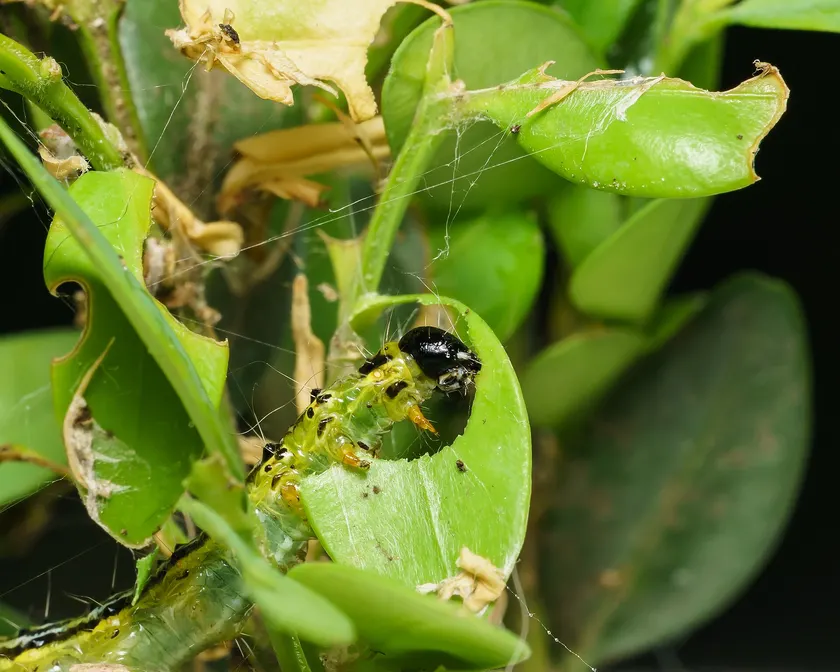 Science
New Delhi researchers found a protein that lets a chewed leaf warn the others
Scientists at the National Institute of Plant Genome Research identified a protein that carries an insect-attack signal from a damaged leaf to undamaged ones. A use in crop sprays is a possibility the news report does not show in a field.
Verified · The Hindu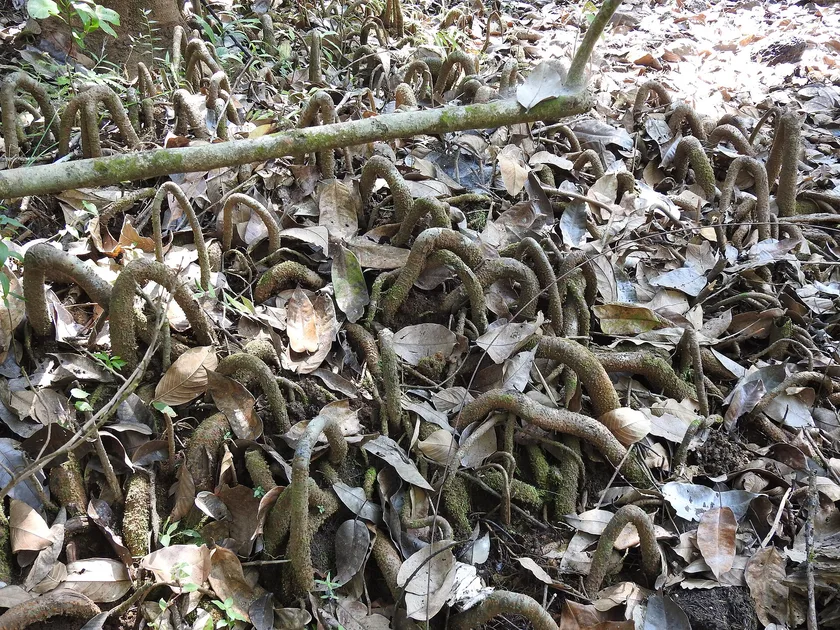 Science
A Sirsi study found swamp forests stay cooler than the hills around them
Kuvempu University researchers compared hilltops, edges, forest interiors, and swamps in the central Western Ghats. Swamps held more trees and moisture. In some checks, sensors under the canopy read 3 to 10 degrees Celsius differently from satellite surface temperatures.
Verified · The Hindu