WHO says trachoma is no longer a public health problem in Eritrea
After surveys of all 58 sub-zobas and two decades of the SAFE strategy, WHO validated Eritrea on November 16. The disease can still appear, and surveillance stays in place.

Read the original
The reporting lives at World Health Organization. Our summary is checked against it, and we link it on every story.
The World Health Organization validated Eritrea's elimination of trachoma as a public health problem on November 16, 2026. The news release, datelined Asmara, Brazzaville, and Geneva, said Eritrea is the 11th country in WHO's African region and the 34th worldwide to meet that bar. Director-General Tedros Adhanom Ghebreyesus called it the result of two decades of work. Validation means an independent review group accepted the country's evidence that the agreed thresholds have been met and that a system exists to find and manage future cases. It does not mean the infection can never return.
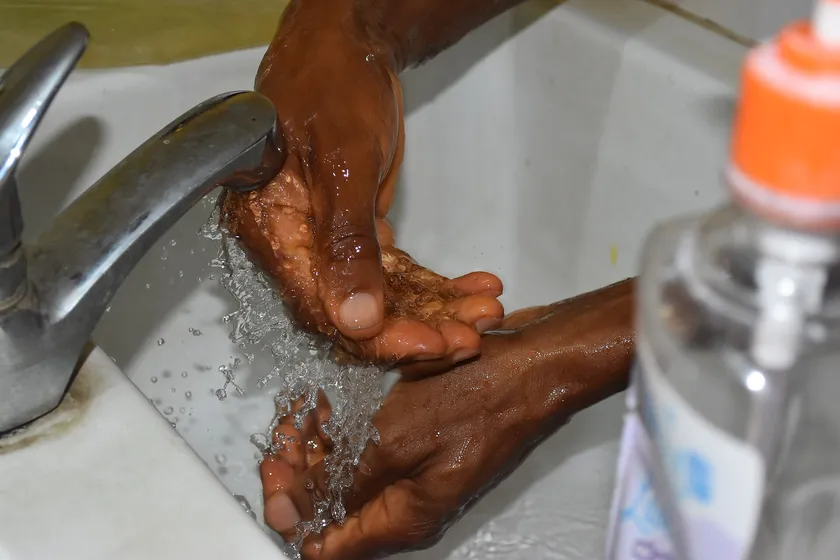
Baseline surveys ran from 2006 to 2020. Eritrea then used WHO's SAFE strategy where it was needed: surgery for the inward-turning lashes called trichiasis, antibiotics to clear infection, facial cleanliness, and environmental improvements, especially water and sanitation. Health workers mapped communities with digital tools, including hard-to-reach places. All 58 sub-zobas, the second-level administrative areas, were surveyed, and interventions were scaled up wherever trachoma was endemic. Most of the antibiotics were oral azithromycin donated by Pfizer through the International Trachoma Initiative. A community-led sanitation approach delivered gains with limited outside money, WHO said.
WHO Representative Mary Stephen credited communities, the Ministry of Health, the Fred Hollows Foundation, and health workers. The country will keep looking for new trichiasis cases. Globally, the number of people needing interventions fell from an estimated 1.5 billion in 2002 to below 100 million by November 2025, about a 94 percent drop. As of March 2026, 92 million people still lived in places where trachoma blindness was a risk. Eritrea's certificate is one country's milestone inside that larger, unfinished map.
Asmara, EritreaPublic healthMedical researchGood news on November 16
More good news
Other stories in the same neighborhood of kindness.
 Health & Tech
Des Moines University and UnityPoint launch a rural health collaborative
Starting in Webster County, the effort targets earlier cancer screening, radon risk reduction, and an online hub of local resources.
Verified · KCRG Health & Tech
FDA approves a once-weekly growth hormone for children with Turner syndrome
Sogroya was approved for children 2.5 and older. In the phase 3 REAL8 trial, weekly dosing matched daily injections and spared families 313 injection days a year.
Verified · Healio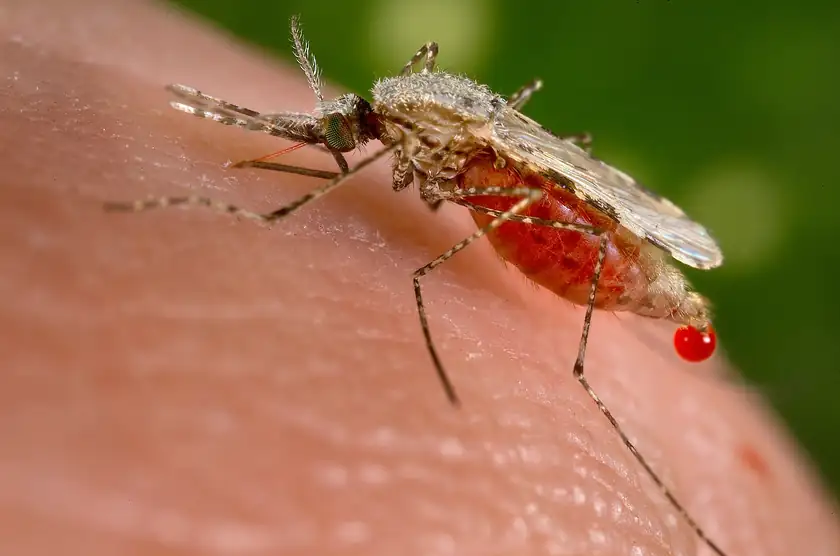 Health & Tech
A malaria vaccine blocked infection in 87% of volunteers in an early trial
In an NIH-sponsored phase 1 challenge trial led by UW Medicine, 13 of 15 people given PfSPZ-LARC2 stayed infection-free against a different malaria strain, versus none of 7 on placebo. Larger trials are still ahead.
Verified · UW Medicine Newsroom