Auckland beekeepers are answering a rush of swarm calls
The Guardian reported that the Auckland Beekeepers Association is taking five to ten swarm calls a day after a mild winter, and that the extra swarms can also mean the colonies built up well.

Read the original
The reporting lives at The Guardian. Our summary is checked against it, and we link it on every story.
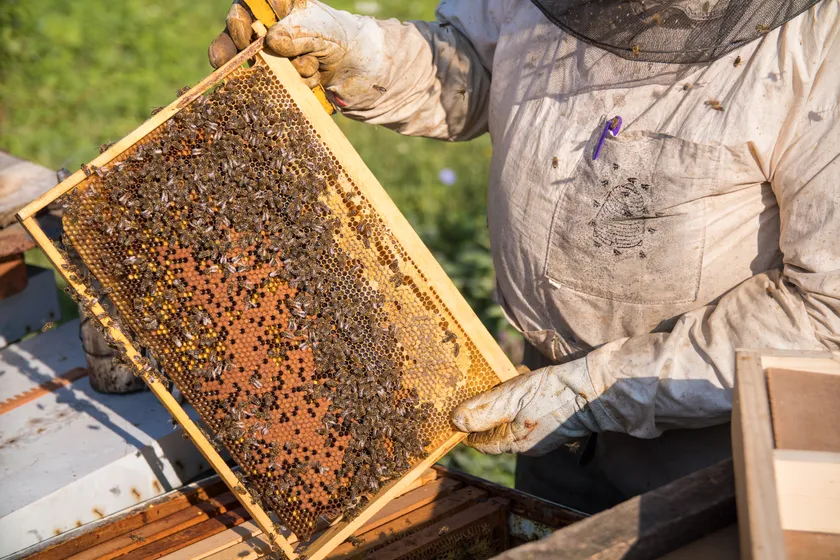
Auckland beekeepers are fielding a record run of calls to collect honeybee swarms after a milder than usual winter. The Guardian reported on November 10, 2026, that the Auckland Beekeepers Association is taking five to ten requests a day, compared with fewer than five in past years. Swarm coordinator Bryan Lang said the team has handled at least 100 call-outs. In October a swarm covered the back of a parked car in Birkenhead for about two hours. A month earlier, one took over a sign at a busy Queen Street intersection and pedestrians walked around it.
Swarming is ordinary in spring and early summer: part of a colony that has outgrown its hive leaves to find a new home, and the mass rests while scouts search. Lang said a beekeeper would rather keep those bees, because a swarm can take about two-thirds of a hive just when it should be making honey. Association president Ken Brown said a swarm is usually at its most placid, even if thousands of bees look intimidating in town. Earth Sciences NZ said 2026 was the country's third-warmest winter. Brown said milder weather can mean a larger brood and earlier swarms if the colony survives varroa mite. Entomologist Phil Lester of Victoria University of Wellington said beekeepers are also catching swarms in Wellington, and that unmanaged swarms can carry mites to other honeybees. He also called the numbers a likely sign of a good bee year. The news is the call-outs and that reading. It is not a promise that every hive will make a big honey crop.
For the classroom
The Guardian reported that Auckland is having a busy bee-swarm season. A swarm is a group of honeybees that leaves a crowded hive to look for a new home. They may rest on a car or a sign while scouts search. The Auckland Beekeepers Association is getting five to ten calls a day. The team has handled at least 100 call-outs. President Ken Brown said a swarm is usually calm. A milder winter helped the hives grow. Entomologist Phil Lester said the extra swarms are probably a sign of a good bee year. Bees that nobody collects can still spread a harmful mite.
- Why do honeybees leave a hive in a swarm?
- What should people do if a swarm lands near them, instead of trying to knock it down?
For a teacher to read with a class. Print the story of the day · Morning announcements · All classroom stories · This week's Good News Friday pack
Auckland, New ZealandPollinatorsNeighborsGood news on November 12
More good news
Other stories in the same neighborhood of kindness.
 Animals
A Dunedin plant nursery has become a maternity ward for sea lions
RNZ reported that pregnant New Zealand sea lions are climbing the fences at a Smaills Beach nursery, and that one named Tektite gave birth behind a volunteer shelter.
Verified · RNZ Animals
A heat-sensing drone picked a bittern out of a Canterbury wetland
Discover Wildlife reported that a Department of Conservation staffer watched a thermal drone find a matuku-hūrepo, a bird so camouflaged that about 50 remain in Canterbury.
Verified · Discover Wildlife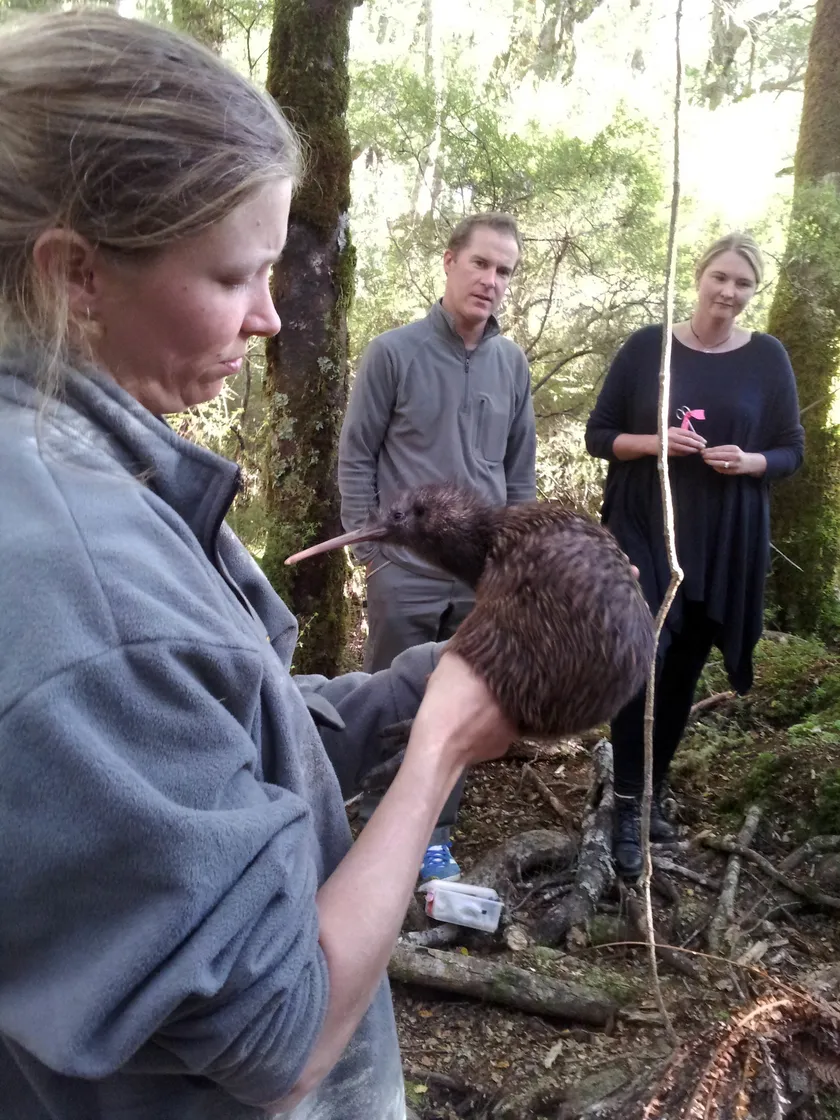 Animals
Waitomo neighbours practised traps before the first kiwi arrive
King Country News reported that about 40 landowners met Rick and Moira Haddrell, who hold a permit to bring 20 western brown kiwi to their farm in April, with more planned later. No birds have been moved yet.
Verified · King Country News