Far North students are learning the ocean from voyaging canoes
RNZ reported that Te Hekenga Mai brought double-hulled canoes from Hawaii and Vanuatu to Aurere, where about 1,000 schoolchildren are expected to learn stars, knots, and wayfinding.

Read the original
The reporting lives at RNZ. Our summary is checked against it, and we link it on every story.
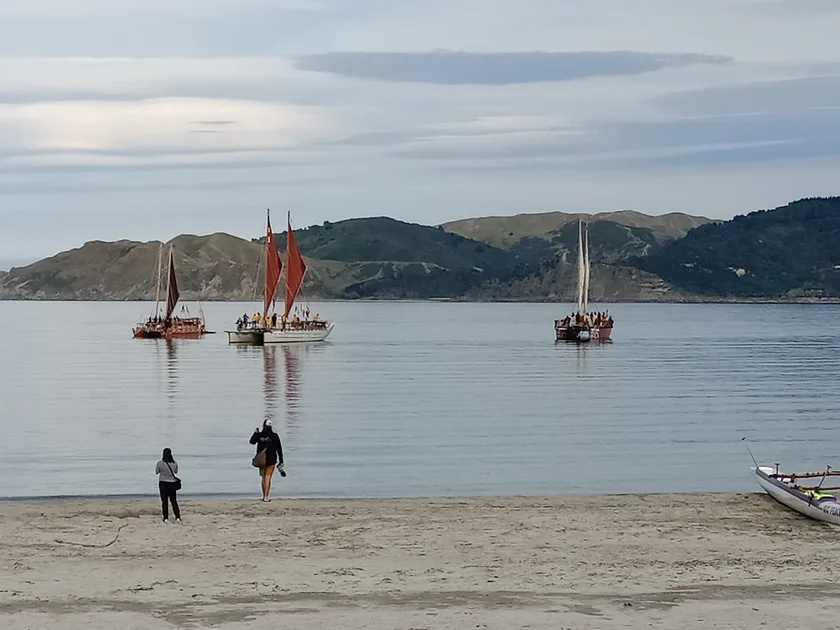
New Zealand's largest gathering of ocean-going canoes in generations is underway on Doubtless Bay, and the point is to pass the skills on. RNZ reported on November 27, 2026, that Te Hekenga Mai, the fourth Te Hau Kōmaru festival and the first held in Northland, has been running all week at Aurere, Taipā, and Mangōnui. Six waka from around the country are there, with two double-hulled wa'a from Hawaii and one from Vanuatu. Voyagers from Tahiti, Samoa, and Rarotonga are taking part. Coordinator Joyce Munns Conrad expected more than 2,000 people, including about 1,000 children from Far North schools.
The beach is where the late Sir Hekenukumai Busby lived, built the voyaging canoe Te Aurere in the early 1990s, and taught navigation at his Kupe Waka Centre. The modern revival is often traced to 1985, when the Hawaiian canoe Hōkūleʻa reached Waitangi and Sir James Henare challenged Māori to build their own. Busby sailed Te Aurere to Rarotonga in 1992. At this festival, children can learn the stars, the Māori lunar calendar, canoe rigs, knots, and wayfinding from the wind and the water.
Stan Conrad, now captain of Te Aurere and the only Māori aboard Hōkūleʻa when it landed in 1985, told RNZ that waka and language connect the islands of the Pacific. Bruce Blankenfeld, director of voyaging for the Polynesian Voyaging Society, was on that 1985 journey. The news is six days of teaching on the water. It is not a new national school subject.
For the classroom
RNZ reported on November 27, 2026, that children in New Zealand's Far North are learning how their ancestors crossed the ocean. A festival at Aurere, on Doubtless Bay, brought sailing canoes from around the country, plus canoes from Hawaii and Vanuatu. Voyagers also came from Tahiti, Samoa, and Rarotonga. About 1,000 schoolchildren were expected, with about 1,000 other people. They can learn the stars, knots, and how to find the way using the wind and the sea. The gathering lasts six days. It is the first time this festival has been held in Northland.
- What can a sailor read in the sky or the water that a paper map also tries to show?
- What is one skill an older person in your town could teach your class?
For a teacher to read with a class. Print the story of the day · Morning announcements · All classroom stories · This week's Good News Friday pack
Aurere, New ZealandStudentsKidsIndigenous communitiesSchoolsGood news on November 27
More good news
Other stories in the same neighborhood of kindness.
 Community
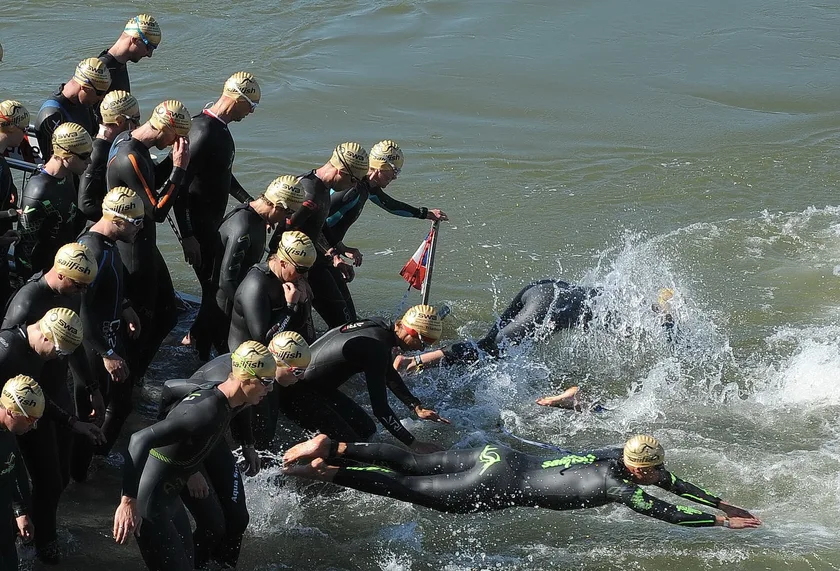
Ten-year-old Olivia finished her first triathlon at Mountfort Park
RNZ reported that Olivia O'Donnell rode, ran, and swam at the Weet-Bix Kids TRYathlon in Manukau, with Dame Valerie Adams handing out finishers' medals.
Verified · RNZ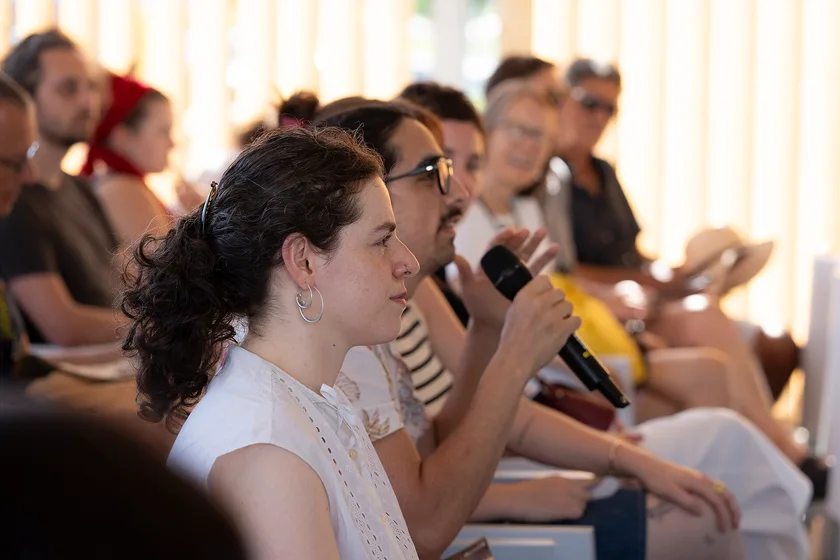 Community
Pollywood's 24th Pasifika film festival held its last screening in West Auckland
RNZ reported that organiser Craig Fasi expected a small final night in West Auckland, after screenings of 50 to 100 people, in a festival run on donated rooms and time.
Verified · RNZ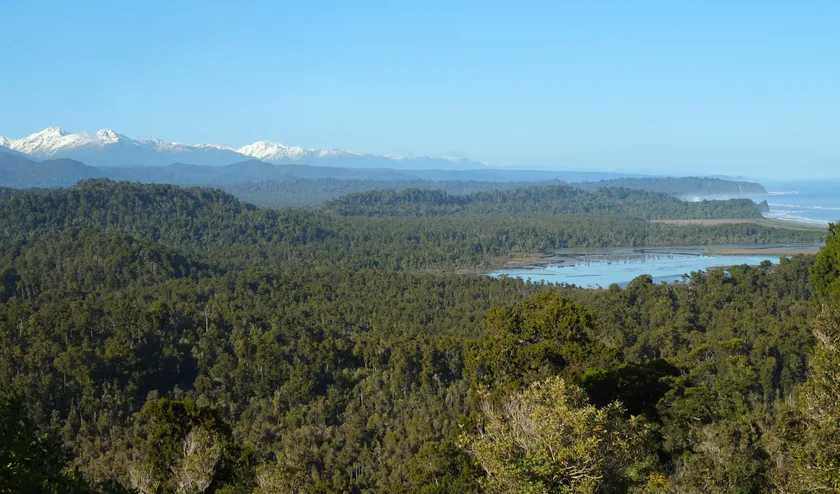 Community
Ōtari-Wilton's Bush marked 100 years as a native-plant garden
RNZ reported that the Wellington valley Job Wilton fenced against axes in the 1860s has been a native-plant garden since October 12, 1926, and the centenary was marked this year.
Verified · RNZ