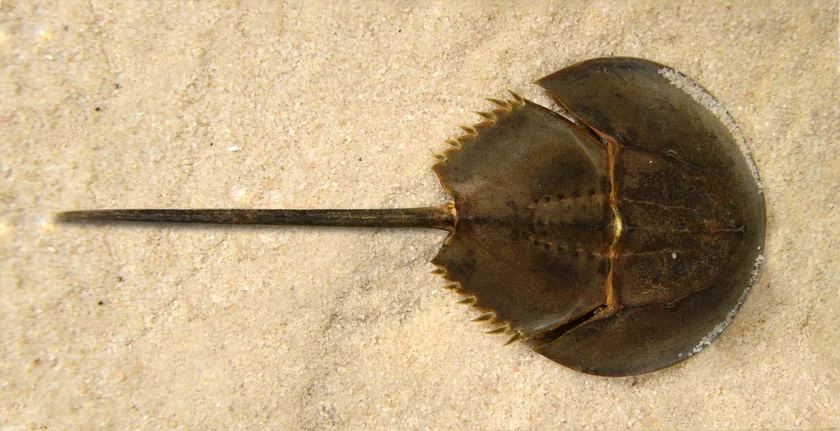
Fishers in Tawi-Tawi described horseshoe crabs scientists had not mapped there
Researchers interviewed 142 people across four towns. Residents described two kinds of horseshoe crab in a province where science had not recorded them. More than half of the people asked thought the animals were getting rarer.

Read the original
The reporting lives at Mongabay. Our summary is checked against it, and we link it on every story.
Mongabay reported on November 6, 2026, that researchers have recorded horseshoe crabs in Tawi-Tawi, a southern Philippine province where the animals had not been on the scientific map. Until now, the country's records were from Palawan. The evidence is interviews, not a net full of specimens. Ivane Pedrosa-Gerasmio, of Mindanao State University–Iligan Institute of Technology, said people at a market in Bongao, the provincial capital, told her about the crabs when she visited in December 2023. She and student Quesie Tolero Omnos then asked 142 residents in Bongao, Simunul, Sitangkai, and Panglima Sugala where they see the animals, how often, and whether the numbers seem to be changing.
People described two forms, one resembling the endangered tri-spine horseshoe crab and one resembling the mangrove horseshoe crab, which is listed as data deficient. Locals call them bangkas, for a boat-like shape. Sightings were on sandy beaches, in mangroves, among rocky coral and seagrass, and in water 10 to 15 meters deep. Residents said the crabs are taken for medicine, including for asthma, and for rituals. More than half of those interviewed thought the animals were declining, and they mentioned collection, climate, and industrial pollution as possible reasons. Omnos told Mongabay that a management plan needs this kind of baseline first. The news is a first provincial record built from local knowledge. It is not a population census, and it does not show that the crabs are safe.
For the classroom
Mongabay reported that scientists talked with 142 people in Tawi-Tawi, a province of islands in the southern Philippines. Fishers and neighbors described two kinds of horseshoe crab. Before this, scientists had recorded the animals only in Palawan, another part of the country. People call them bangkas because the shape looks a bit like a boat. They said the crabs show up on sandy beaches, in mangroves, and in water about 10 to 15 meters deep. More than half of the people interviewed thought there were fewer crabs than before. This study is what people have seen. It is not a full count of every crab in the sea.
- Why would scientists ask fishers where an animal lives, instead of only looking themselves?
- What is one reason a horseshoe crab might be harder to find than it used to be?
For a teacher to read with a class. Print the story of the day · Morning announcements · All classroom stories · This week's Good News Friday pack
Bongao, PhilippinesWildlife conservationStudentsGood news on November 6
More good news
Other stories in the same neighborhood of kindness.
 Animals
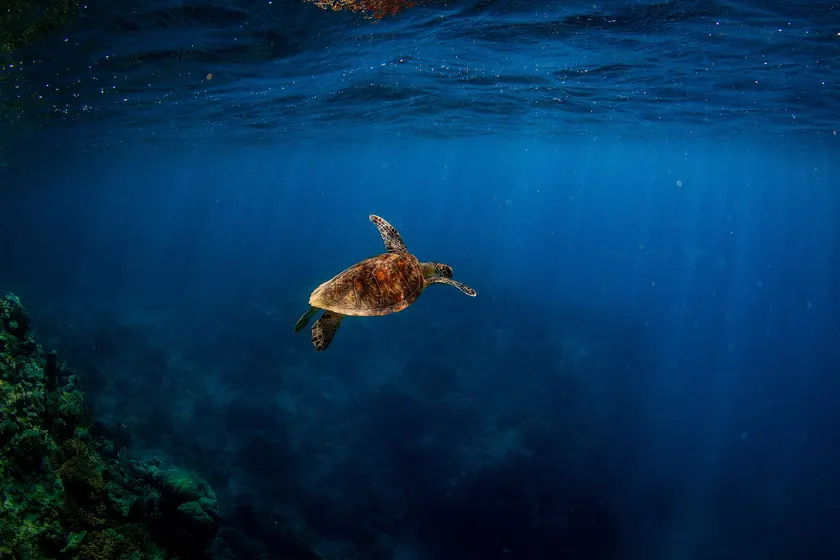
An 80-kilogram green turtle went back into the water at Candon
The city agriculture office, a veterinarian from the environment department, and the Philippine Coast Guard took part. The report describes this release and does not say how the turtle came into care.
Verified · Philippine Daily Inquirer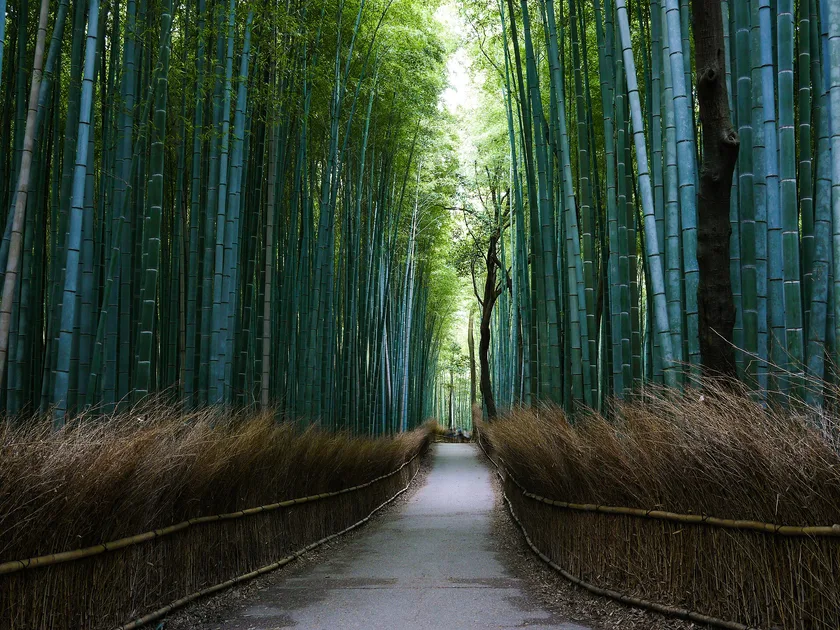 Community
Bilar's bamboo park keeps a Bohol craft in daily use
Kinaiyahan Forest Park holds about 45,000 bamboo plants of 40 kinds. Kyodo News reported that the province is training people and handing out seedlings so the plant supports local work.
Verified · Kyodo News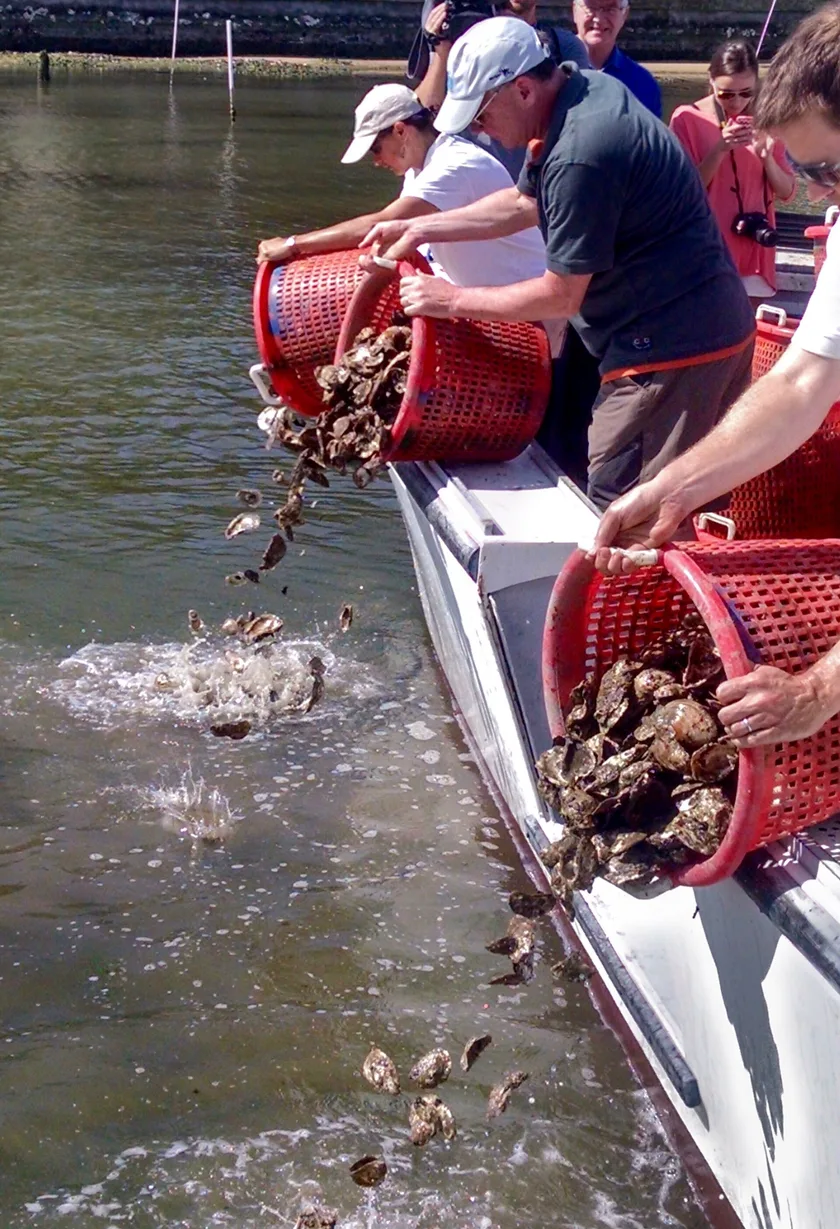 Community
Pamarawan built a shore defense from bamboo, shells, and husks
Mongabay reported that the fishing village on Manila Bay no longer floods the way it did after a project that skipped concrete and used materials people already had.
Verified · Mongabay