Slovakia counted 638 great bustards, the most since 1973
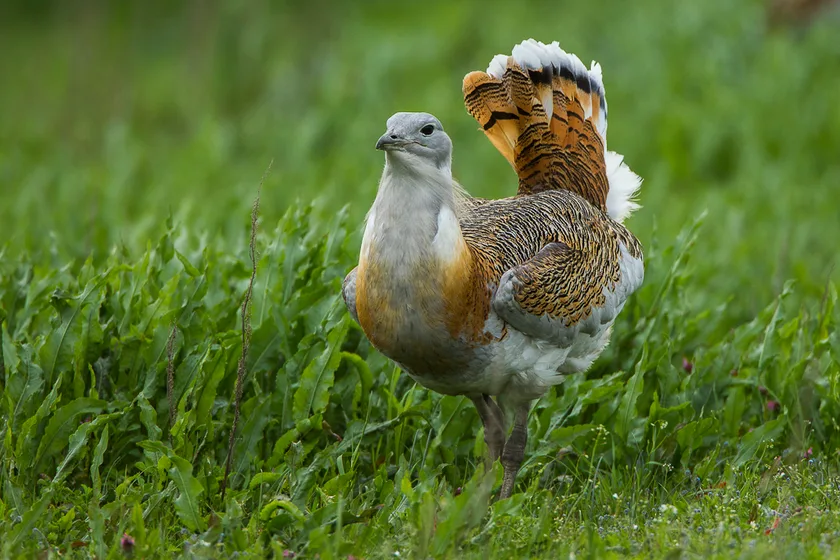
BirdLife reported that a November count at Sysľovské polia found 638 great bustards, the most since 1973, on farmland that farmers and conservationists have been restoring since 2017.

Read the original
The reporting lives at BirdLife International. Our summary is checked against it, and we link it on every story.
A bird that stopped nesting in Slovakia for a decade is using the fields again in numbers not counted since 1973. BirdLife International reported on November 27, 2026, that Andrej Chudý and Adriana Cíbik Hološková finished a count at Sysľovské polia, a special protection area on the edge of Bratislava, and tallied 638 great bustards. The species is listed as endangered. Thirty years ago, BirdLife said, 129 birds remained along the border of Slovakia, western Hungary, and Austria. From 2006 through 2015, none bred in Slovakia.
In 2017 the Slovak partner SOS/BirdLife restored a first hectare of grassland. More than 10 percent of the protected area is now habitat the birds can use. Farmers in an agriculture ministry program grow rapeseed, alfalfa, and peas that feed and shelter the flocks in autumn and winter, with buffer strips and fallow between the crops. BirdLife said the site now holds more than three quarters of the great bustards from Austria, western Hungary, and Slovakia in winter, and that about ten females have nested there in recent years. The news is a finished count and the habitat already on the ground. It is not a promise that the birds will spread to every old site, and the group said the farm payments have to stay in place for that to have a chance.
For the classroom
BirdLife reported on November 27, 2026, that counters in western Slovakia found 638 great bustards at a protected place called Sysľovské polia, near Bratislava. That is the most counted there since 1973. The bird is endangered. About thirty years ago only 129 were left along the border of Slovakia, Hungary, and Austria, and from 2006 to 2015 none nested in Slovakia. In 2017 conservationists restored the first hectare of grassland. Farmers now grow rapeseed, alfalfa, and peas that give the birds food and cover. About ten females have been nesting there in recent years. The fields are also a winter refuge for bustards from Austria and western Hungary.
- What did the farmers change so the birds could find food and a place to nest?
- Why would a count in November matter even if most of the birds are only visiting for the winter?
For a teacher to read with a class. Print the story of the day · Morning announcements · All classroom stories · This week's Good News Friday pack
Bratislava, SlovakiaBirdsWildlife conservationFarmingGood news on November 27
More good news
Other stories in the same neighborhood of kindness.
 Animals
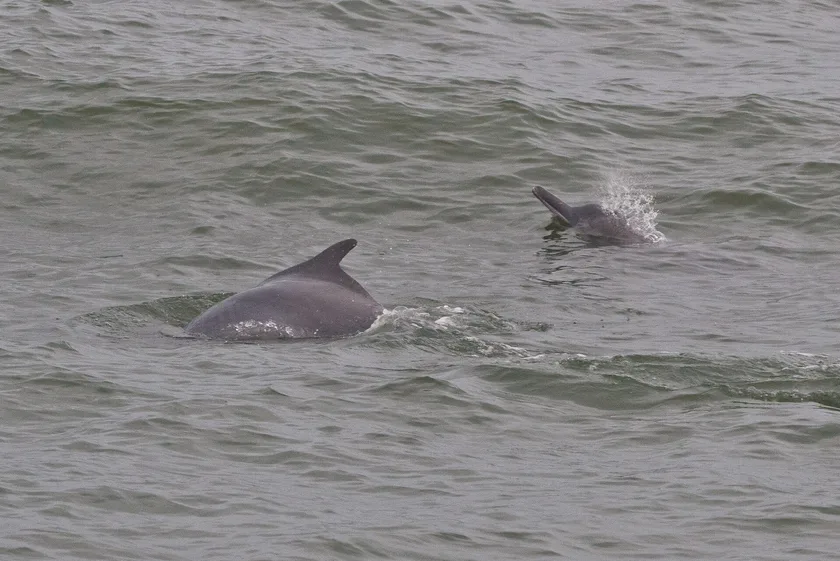
Fishermen and a rescue unit put two stranded dolphins back off Palghar
Mid-day reported that forest staff, Dahanu's rapid rescue unit, and local fishermen carried two Indian Ocean humpback dolphins into shoulder-deep water off the Vadhvan coast and released them the same morning.
Verified · Mid-day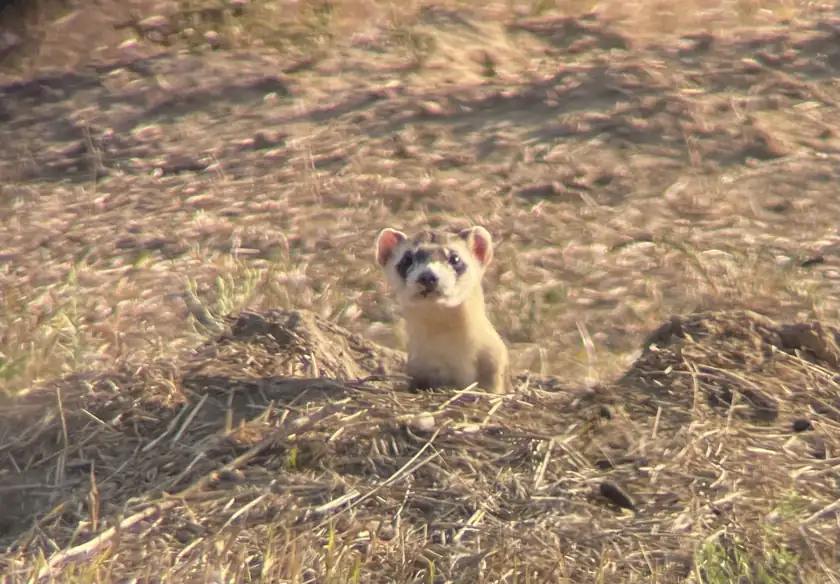 Animals
Drones and smart collars follow 38 black-footed ferrets on a Colorado ranch
CPW, Southern Plains Land Trust, and the Smithsonian released them Nov. 18 on the 43,000-acre Heartland Ranch and are tracking 22 with accelerometer collars.
Verified · KKTV 11 News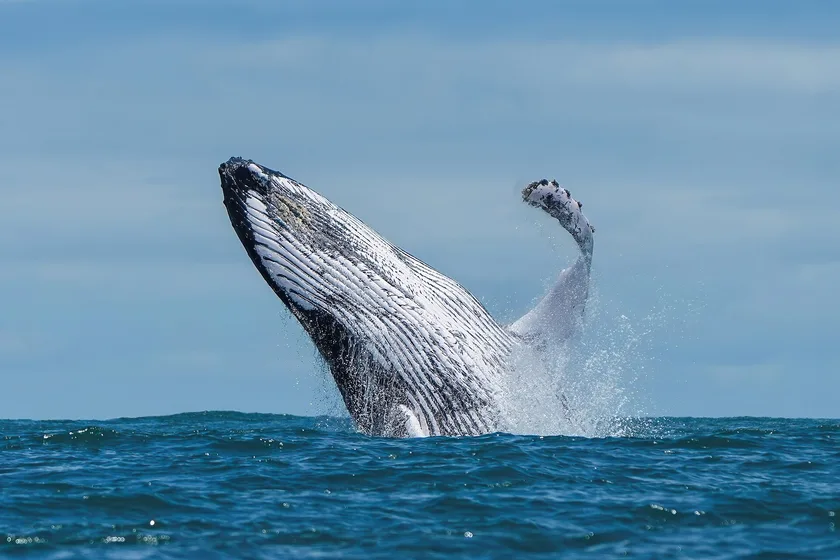 Animals
Humpbacks and sei whales are feeding again off the tip of Argentina
Mongabay reported that a Beagle Channel project has identified 208 humpbacks since 2013, and that sei whales are using the San Jorge Gulf as a feeding stop after a long absence.
Verified · Mongabay