Clearing bass opened eight more kilometres of river for a tiny endangered fish
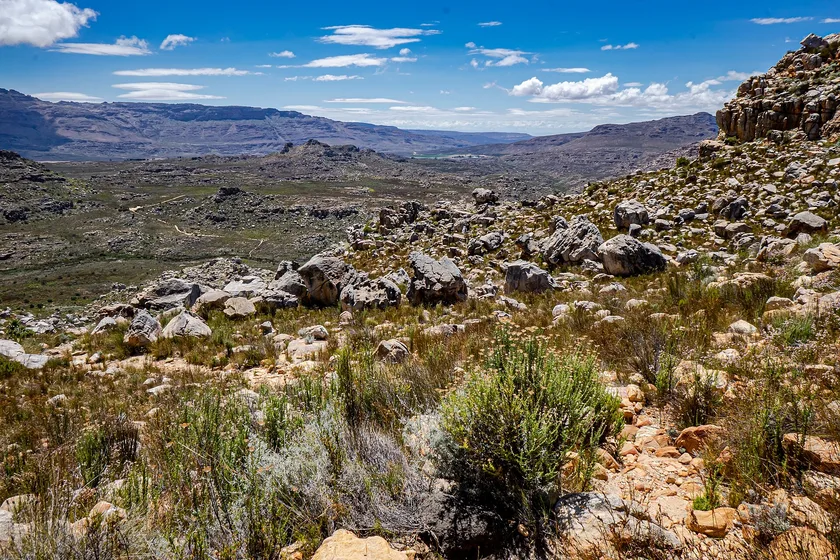
Since 2023, a Cape Town team has removed invasive spotted bass from the upper Breekkrans River. The doring fiery redfin's usable water grew from about 2 kilometres to about 10.

Read the original
The reporting lives at Mongabay. Our summary is checked against it, and we link it on every story.
A critically endangered fish the length of a finger has more of the Breekkrans River than it did three years ago. Mongabay reported on October 28, 2026, that the Breekkrans River Restoration Project has been removing invasive spotted bass from the upper river each southern summer since 2023. Jeremy Shelton, of the Freshwater Research Centre, said the work, with nets and other fishing gear plus a downstream barrier, extended the doring fiery redfin's habitat from about 2 kilometres to about 10.
Before the bass were cleared, the redfin were stuck in a bass-free stretch of about 2 kilometres. Shelton said the Breekkrans holds the largest remaining population, probably a few hundred adults, and that another river still has the species only in very low numbers. Martine Jordaan, a faunal ecologist at CapeNature, said spotted bass were put into the system in the late 1930s for angling and stopped only at barriers such as waterfalls. She said every native fish in the treated stretch increased its range once that predator was taken out.
The project is a partnership of the Freshwater Research Centre, CapeNature, and the Fynbos Fish Trust. The gain is those 8 kilometres and the ranges Jordaan described. It is not a claim that bass are gone from every Western Cape river.
Cederberg, South AfricaWildlife conservationRiversGood news on October 28
More good news
Other stories in the same neighborhood of kindness.
 Animals
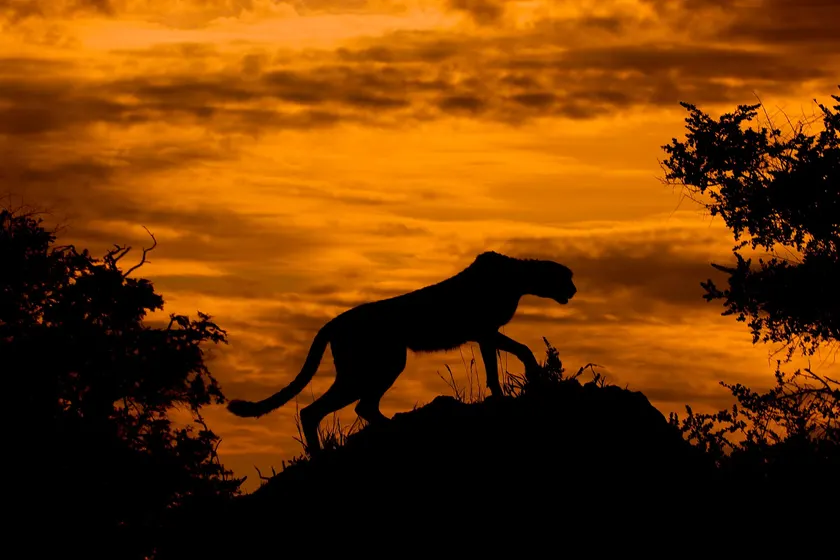
Captive-born cheetahs released into South African reserves are raising cubs
Twelve collared cheetahs went into seven fenced reserves that already held wild cheetahs. Three died. The surviving females all had cubs.
Verified · The Wildlife Society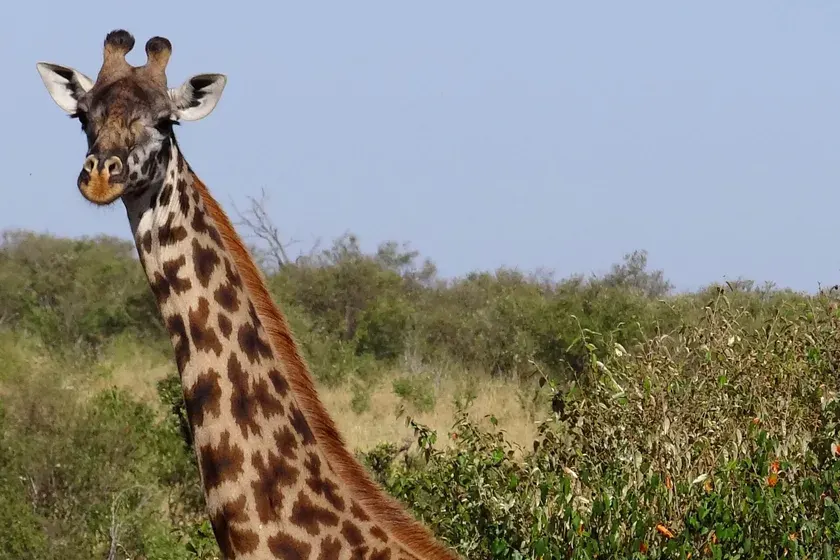 Animals
A snared giraffe at Bisley was found by drone and treated
Searchers near Pietermaritzburg used a drone, with air-traffic permission, to find a young female wearing a wire snare. A vet treated her, and she stood and walked.
Verified · The Witness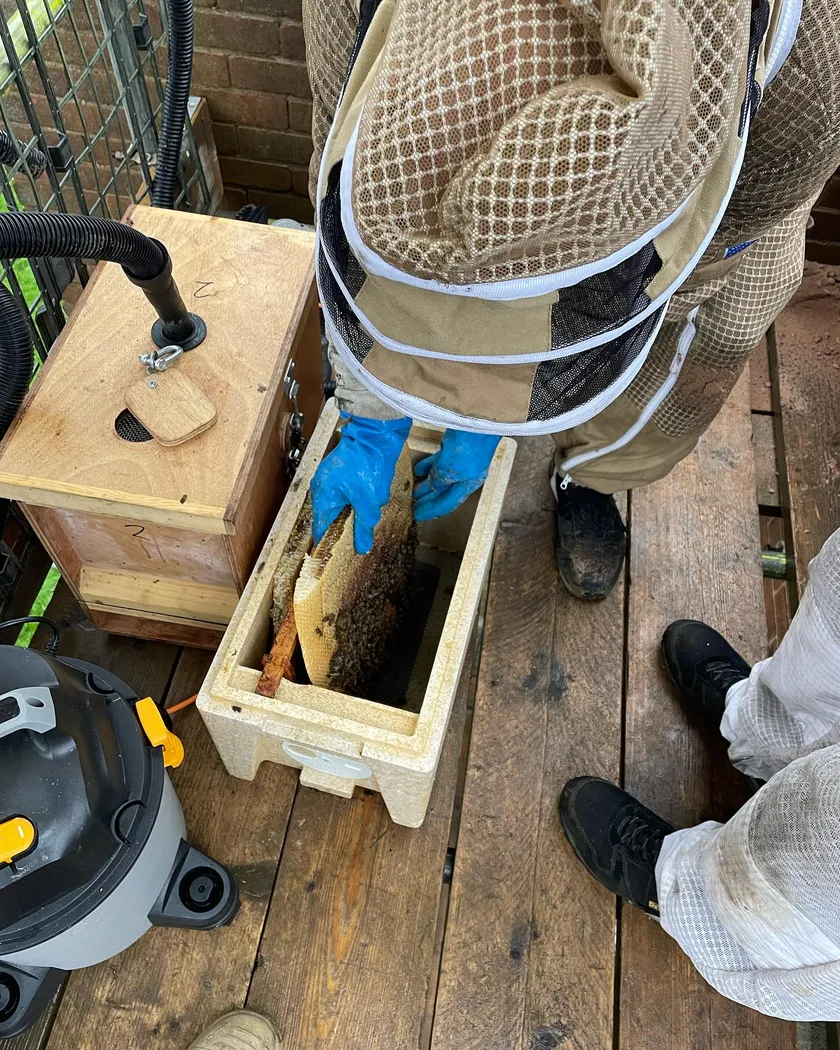 Animals
A father and son have moved more than 250 wild bee colonies out of Cape Town
The Cape Honeybee Conservancy boxes up colonies from walls and gardens and takes them to farms, including nine hives at an organic wine estate in Elgin.
Verified · Africanews