Brussels students built a hornet trap they will take to a Paris contest
A Vrije Universiteit Brussel team says its trap can tell an Asian hornet from a honeybee before a fungus sticker goes on. They have not reported clearing a nest in the field.

Read the original
The reporting lives at Vrije Universiteit Brussel. Our summary is checked against it, and we link it on every story.
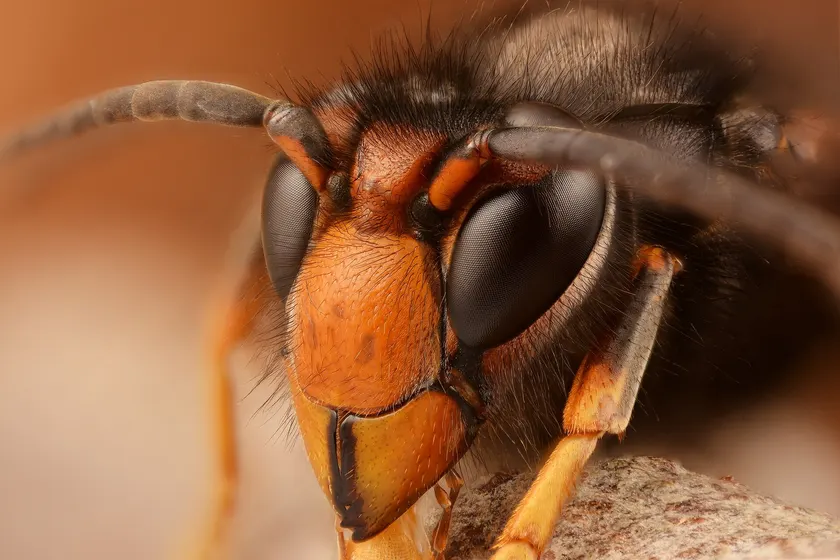
Students at the Vrije Universiteit Brussel have built a trap they hope can target Asian hornets without dosing honeybees, and they will present it at the iGEM synthetic-biology contest in Paris from November 13 to 16. The university's press office reported on November 9, 2026, that the system uses a camera and a model the team says recognizes an Asian hornet with more than 99 percent accuracy, then fits the insect with a sticker of protein fibres carrying the soil fungus Beauveria bassiana. The idea is that the hornet carries the fungus back to the nest. The fungus is already used as a pesticide in agriculture. The announcement does not report a field trial in which a nest was cleared.
The students published their protocols and results on October 21 on the iGEM wiki, and they have run workshops on artificial intelligence and synthetic biology for primary and secondary schools. The work sits in the laboratory of Han Remaut. Asian hornets prey on honeybees and other pollinators, and ordinary traps often catch only a few workers while the queen keeps laying. The news is a student prototype headed to a competition, plus the school workshops. It is not a device that has been shown to protect a hive.
Brussels, BelgiumStudentsSTEMPollinatorsGood news on November 11
More good news
Other stories in the same neighborhood of kindness.
 Animals
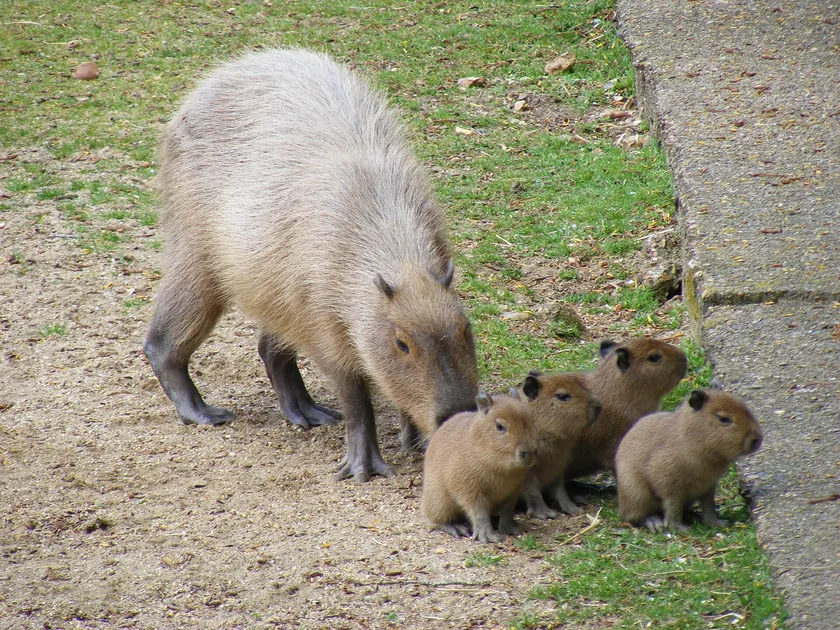
Janne the capybara had two pups at Planckendael Zoo
HLN reported on November 6 that the pups, born about ten days earlier, are running and playing. Their sex is not known yet, so they do not have names.
Verified · HLN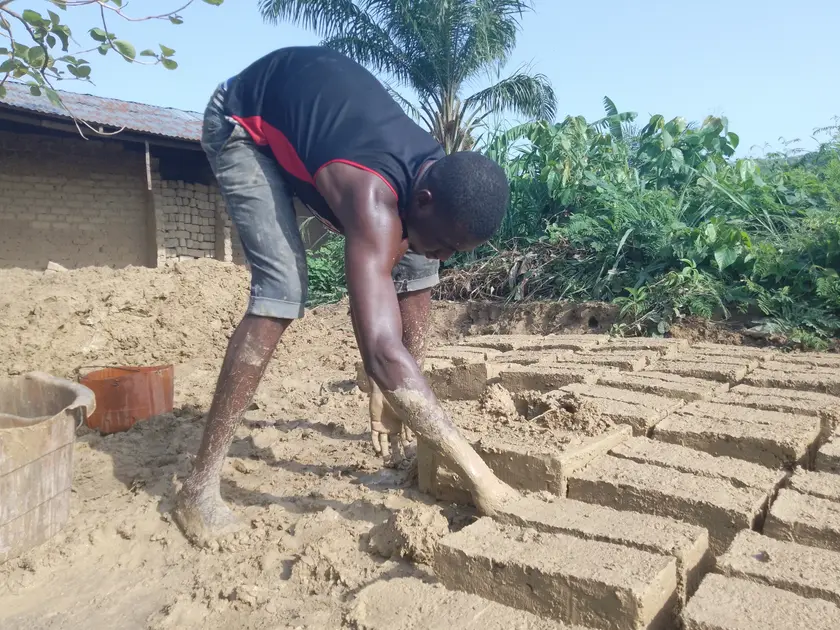 Community
Ghent's design museum reopened a wing built from unfired waste bricks
About 82,000 bricks in the new wing are mostly crushed local building waste pressed with lime, which keeps taking in carbon dioxide.
Verified · The Guardian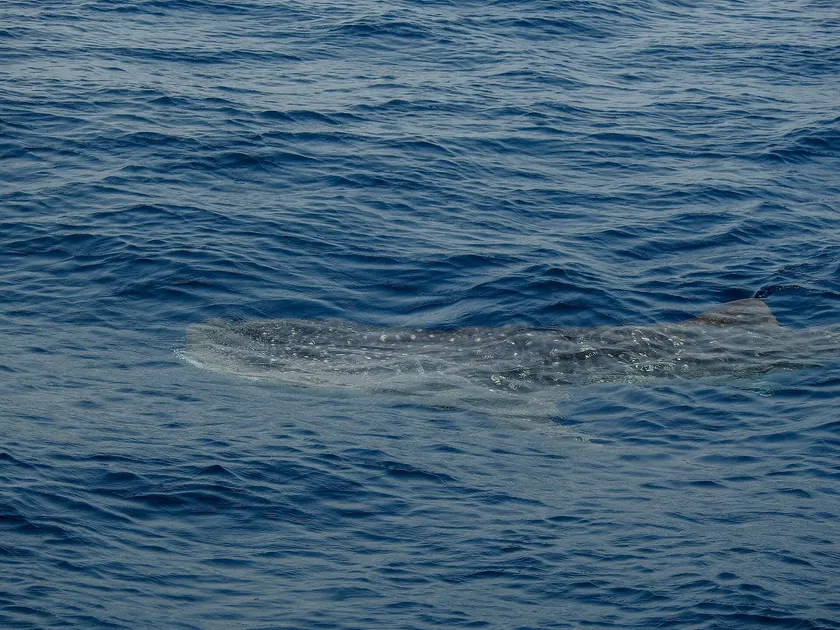 Science
A Southampton study found whale-shark detours would add little fuel
Researchers simulated eight shipping crossings and found that avoiding whale shark gathering sites, or slowing through them, raised fuel use by less than 1 percent on the routes they tested. Ships have not been reported as changing course.
Verified · Phys.org