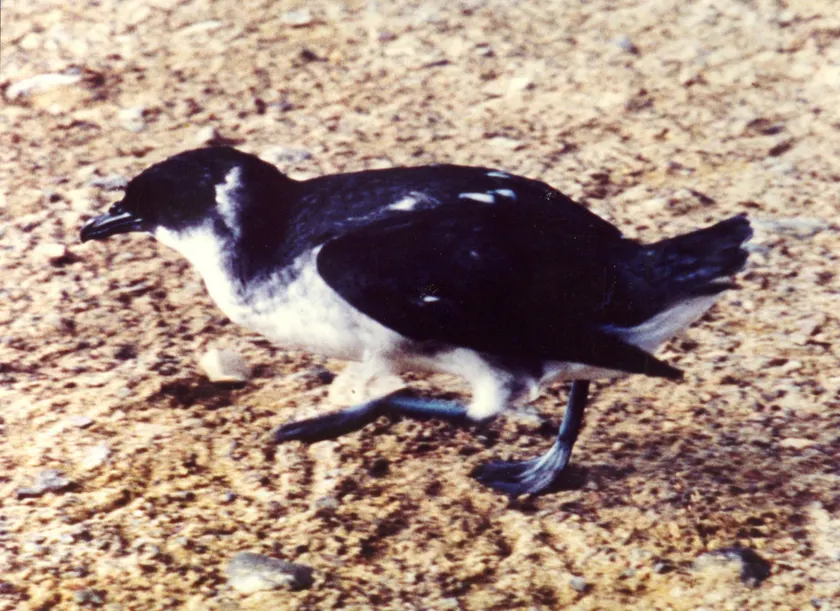
Diving petrels on Choros Island climbed from 12,000 pairs to nearly 90,000
A new count says breeding pairs of Peruvian diving petrels multiplied after invasive rabbits were removed. Nesting ground grew from 3.2 hectares to more than 10.

Read the original
The reporting lives at Discover Wildlife. Our summary is checked against it, and we link it on every story.
Breeding pairs of Peruvian diving petrels on Choros Island rose from about 12,000 in 2013 to nearly 90,000 in 2024, a study in Marine Ornithology reports. Discover Wildlife described the count on November 3, 2026. Nesting habitat expanded from 3.2 hectares in 2010 to more than 10 hectares in 2024. The island, part of Humboldt Penguin National Reserve, holds about 95 percent of Chile's breeding population of the species, María José Vilches of Island Conservation told the magazine.
Invasive rabbits had stripped plants and damaged the burrows the petrels need. Vilches said removing them was the change that sped recovery. Researchers at Universidad Católica del Norte estimate the island's population is roughly 300 times what it was in 1980, a climb that took decades of protection, not only the years since the rabbits left. Growth more than doubled after the removal. The species was downlisted from Endangered to Near Threatened in 2020. On nearby Chañaral Island, artificial burrows and recorded calls are being used to draw petrels back. The figures are breeding pairs and nesting ground on Choros. They are not a head count of birds at sea.
For the classroom
Peruvian diving petrels on Choros Island, off northern Chile, have made a sharp comeback. Discover Wildlife reported a new study on November 3, 2026. Breeding pairs rose from about 12,000 in 2013 to nearly 90,000 in 2024. Nesting ground grew from 3.2 hectares to more than 10. Rabbits had eaten plants and damaged the burrows the birds need. After the rabbits were removed, recovery sped up. The species moved from Endangered to Near Threatened in 2020. Most of Chile's breeding birds of this kind nest on this island. The numbers are pairs on Choros, not every petrel at sea.
- How can an animal that does not hunt birds still make it hard for birds to raise chicks?
- Why would fixing one island matter so much if most of a country's birds nest there?
For a teacher to read with a class. Print the story of the day · Morning announcements · All classroom stories · This week's Good News Friday pack
Punta de Choros, ChileBirdsWildlife conservationGood news on November 3
More good news
Other stories in the same neighborhood of kindness.
 Animals
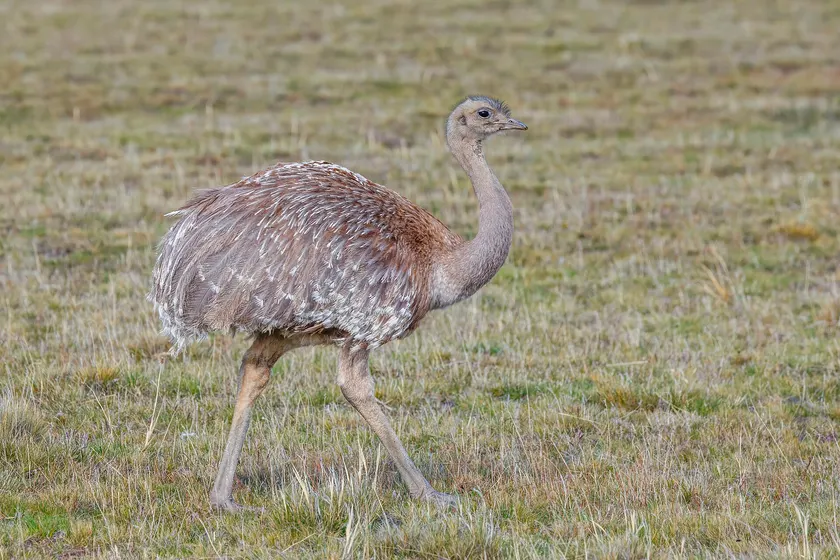
Women in Patagonia released Darwin's rheas back onto the steppe
A women-led team at Patagonia National Park is raising Darwin's rheas and walking them back onto the Chacabuco Valley.
Verified · Mongabay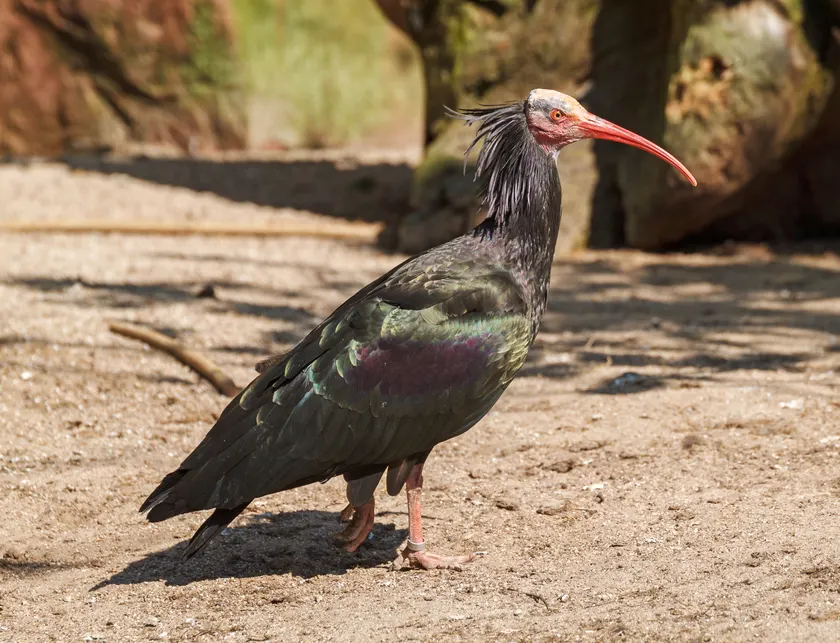 Animals
Fourteen young bald ibises rode from Heidelberg toward a Spanish release
Ten birds from Heidelberg Zoo and four from Straubing are in a release aviary at Jerez. The pen is due to open in February 2027. They are not free yet.
Verified · Rhein-Neckar-Zeitung Animals
Two wool-heavy sheep on Te Mata Peak finally got a shear
A Napier SPCA team, a farmer, and three dogs caught the pair after earlier tries failed. An ex-shearer took the fleeces off, and the farmer is keeping them.
Verified · RNZ