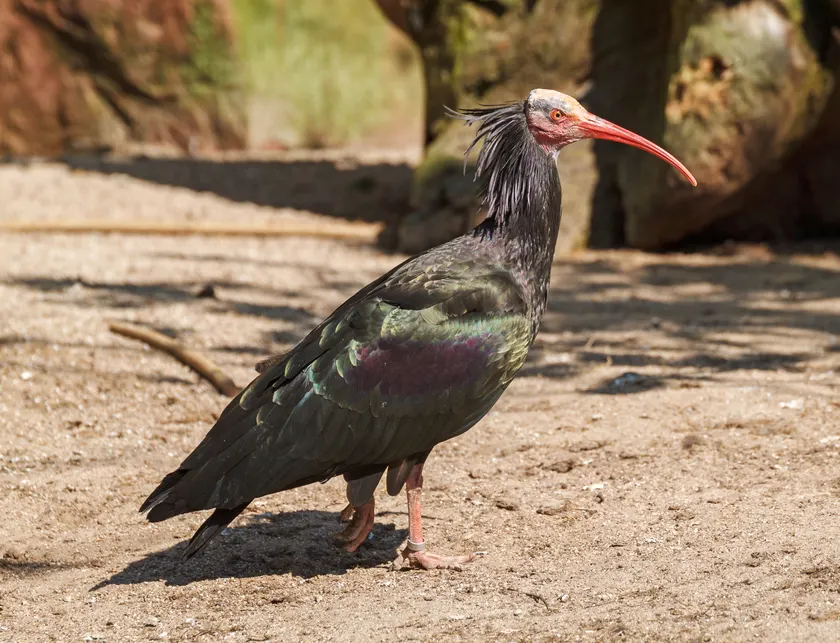
Fourteen young bald ibises rode from Heidelberg toward a Spanish release
Ten birds from Heidelberg Zoo and four from Straubing are in a release aviary at Jerez. The pen is due to open in February 2027. They are not free yet.

Read the original
The reporting lives at Rhein-Neckar-Zeitung. Our summary is checked against it, and we link it on every story.
Fourteen young northern bald ibises, hatched in 2026, are in a release aviary in Andalusia after a drive of more than 4,700 kilometers from Germany. Rhein-Neckar-Zeitung reported it on November 3, 2026. Ten of the birds came from Heidelberg Zoo and four from Straubing. Curator Joshua Förg and apprentice keeper Aaron Haueis took them to Zoo Jerez for Proyecto Eremita, a project of the Andalusian regional government and that zoo.
The birds spent a few days in quarantine, then moved to a larger aviary where they will learn the surroundings for several months. The pen is scheduled to open in February 2027. They are not free yet. Förg said the drive was exhausting and that, on site, he watched wild bald ibises fly in to roost in the evening. Northern bald ibises disappeared from most of Europe centuries ago. A migratory flock is being rebuilt in central Europe, while Andalusia already holds a colony that stays year-round. This move is meant to strengthen that resident group. It is not a count of birds already flying over Cádiz.
For the classroom
Keepers from Heidelberg Zoo drove young northern bald ibises to southern Spain. Rhein-Neckar-Zeitung reported it on November 3, 2026. Ten birds hatched at Heidelberg this year, and four came from Straubing. All 14 are at Zoo Jerez in Andalusia. After a short quarantine they moved to a larger aviary to learn the area. The plan is to open that aviary in February 2027. They are not flying free yet. Andalusia already has ibises that stay all year, and this project wants to add to that colony.
- Why keep the young birds in an aviary for months before opening the door?
- What is one difference between a bird that migrates and a bird that stays in the same region all year?
For a teacher to read with a class. Print the story of the day · Morning announcements · All classroom stories · This week's Good News Friday pack
Heidelberg, GermanyBirdsWildlife conservationZoosGood news on November 3
More good news
Other stories in the same neighborhood of kindness.
 Science
Divers off Dahme are replanting seagrass, and a 2021 meadow looks dense
Conservation divers lifted shoots from a donor meadow in the Baltic and are checking a meadow first planted in 2021. Scientists say the Baltic's long decline in seagrass has stopped, not that the lost meadows are back.
Verified · DW Community
Kassel's Murhard Library put medieval manuscripts back on view
After more than a decade in storage, the ninth-century Hildebrandslied and a Gutenberg Bible are in a new vault at the University of Kassel library.
Verified · Medievalists.net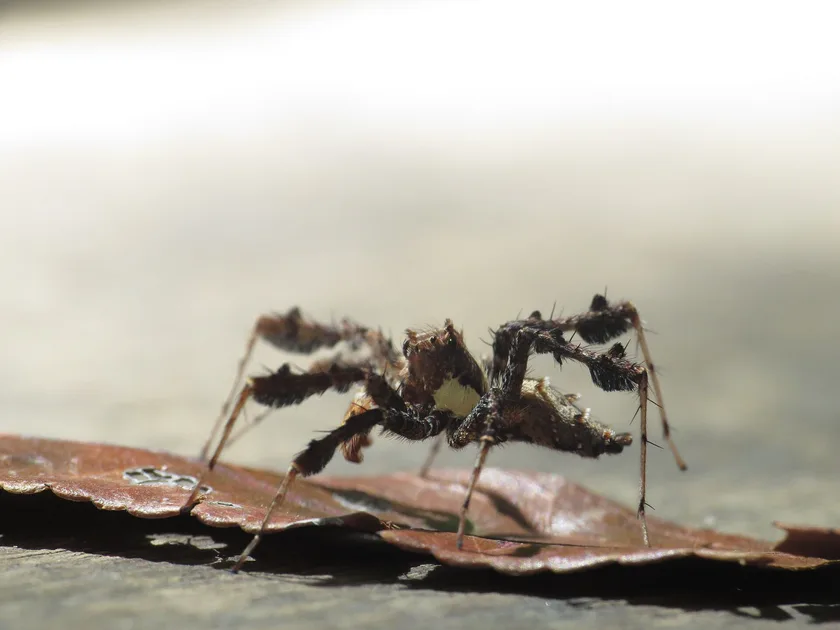 Science
A jumping spider in a Bonn study slept in two clear stages
Video of Portia fimbriata, published in PNAS, showed a still phase and a later one with eye movements and twitching legs. The spiders were slower to wake from the still phase.
Verified · ABC Science