TodayCommunityDistrict of Columbia
A half-acre farm in LeDroit Park lets neighbors pay what they can for fresh food
Common Good City Farm grows about 4,500 pounds of produce a year and turns no one away, saving customers about $20,000 last year.

Read the original
The reporting lives at The Wash. Our summary is checked against it, and we link it on every story.
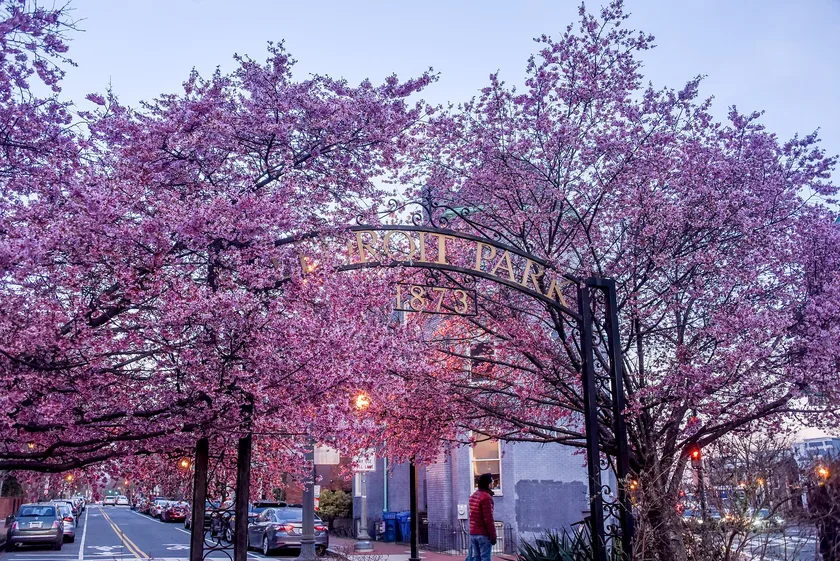
Common Good City Farm sits on a former baseball field on V Street NW in LeDroit Park. It grows about 4,500 pounds of fruits and vegetables a year and runs a pay-what-you-can market where customers can take up to $30 worth of produce and groceries whether or not they can pay, The Wash reported on October 6, 2026. Executive director Joya Wade said nobody is turned away, and the model saved customers about $20,000 last year.
The farm also keeps a 24-hour fridge and pantry outside its gates, stocked with about 6,000 pounds of rescued food so far through a partnership with DC Food Rescue. It accepts SNAP, WIC, and Produce Plus benefits.
Last year 35 people graduated from its regenerative agriculture program, and it hires and trains about 25 teenagers each summer. Its fall calendar includes a free family Halloween celebration on October 31 and a turkey and grocery giveaway on November 20.
For the classroom
Common Good City Farm sits on a former baseball field in Washington, D.C. It grows about 4,500 pounds of fruits and vegetables a year. At its market, people can take up to $30 worth of produce whether or not they can pay. The farm said that saved customers about $20,000 last year. A fridge and pantry outside the gates stay stocked with rescued food, about 6,000 pounds so far. The farm also accepts food benefits, trains adults in regenerative farming, and hires about 25 teenagers each summer. This fall it planned a free family Halloween celebration and a turkey and grocery giveaway.
- Why let people take food even when they cannot pay?
- What is rescued food, and why would a farm give it away?
- How could teenagers working on a farm help a neighborhood?
For a teacher to read with a class. Print the story of the day · Morning announcements · All classroom stories · This week's Good News Friday pack
Community in District of ColumbiaWashington, District of ColumbiaCommunity gardensFood banksFood rescueKidsGood news on October 6
Learn how this works
More good news
Other stories in the same neighborhood of kindness.
 Community
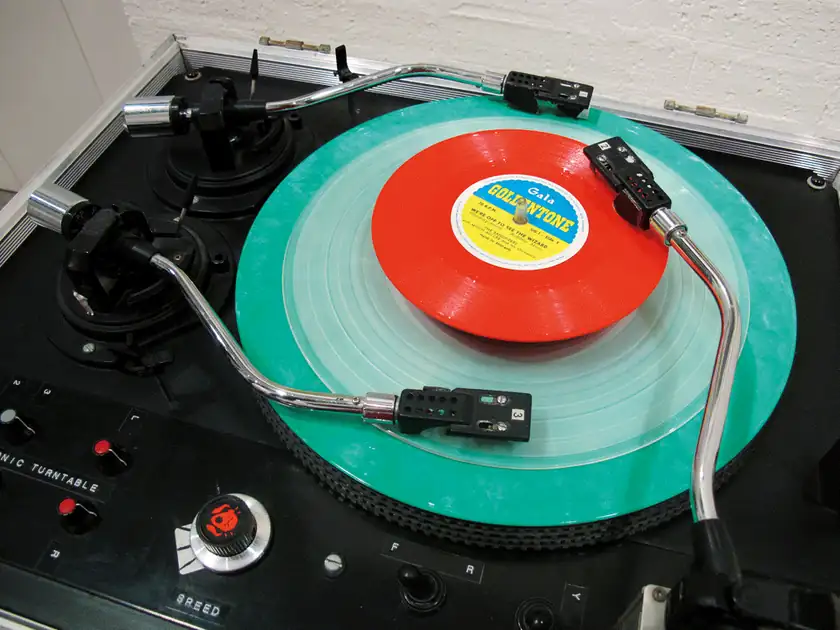
Columbia Heights students learn DJing and music production
A Save The Music grant and Words Beats & Life give students hands-on beat making, DJing, and live-sound training.
Verified · WJLA 7News Community
D.C. police throw a motorcade birthday for 102-year-old Grandma Bessie
Interim Chief Jeffery Carroll and MPD brought flowers and a motorcade to Bessie Johnson, an 87-year District resident the D.C. Council honored for her warmth and sweet potato pies.
Verified · 7News WJLA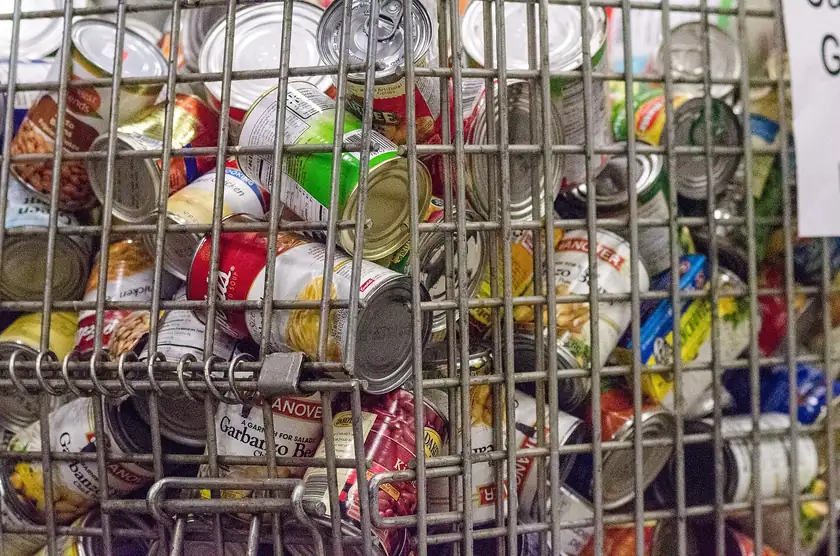 Community
WHUR's 48th Food2Feed radiothon raises $40,000 for holiday meals
Listeners, partners, and Howard University students with a Georgia Avenue bucket brigade raised money for Capital Area Food Bank and SHABACH! Ministries, plus a truckload of food.
Verified · WHUR 96.3 FM