TodayExplainersFood bank rescue
Explainer
How food banks rescue food
Food banks move surplus groceries to pantries and meal programs. Here is the path from a store or a farm to a neighbor's table, and how to help.
What it is
A food bank is usually a warehouse organization. It takes in food from grocery stores, farms, drives, and sometimes government programs, stores it, and sends it on to pantries, kitchens, and mobile distributions. A pantry is the neighborhood place where a person picks up groceries. People mix the two words up. The bank is the hub. The pantry is the door a neighbor walks through.
Food rescue is the step that keeps edible food out of the trash. A grocer may have fruit that is ripe today and unsellable tomorrow. A restaurant may have prepared meals it cannot serve. A farm may have a crop that is ugly and still fine to eat. Feeding America, the national network of food banks, describes food rescue as one way that network keeps edible food from being wasted and moves it toward people who need it. Their program page is the overview of how food and meals are offered. This page does not repeat their statistics. Those numbers change, and the current ones live on their site.
A community fridge is smaller and more informal. It is one public refrigerator, not a warehouse. Both can exist in the same town. The fridge version is explained in How a community fridge works.
How it works
Food comes in from several directions. Stores and distributors donate surplus. Farms and gardens donate produce. Schools, offices, and scout troops hold drives. Some rescues pick up from restaurants on a route the health rules allow. At the warehouse, staff and volunteers check dates, sort out anything unsafe, and pack boxes or bags. Refrigerated trucks matter once meat, milk, or produce is involved. A pantry or a meal site then gives the food out, sometimes as groceries and sometimes as a hot meal.
Feeding America says local food banks in its network post volunteer shifts, and that the work includes sorting, packing, and distributing food. A shift is usually scheduled. Walking in with a car full of random cans can still be welcome, but only if someone is there to receive it and the food is the kind they can store.
Eligibility rules are local. One pantry uses an honor system. Another asks for an ID or an address. A volunteer should learn the rule and then follow it, without adding a speech at the door. The person picking up groceries does not owe the room a story.
How to help
The useful gifts are specific. Ask the pantry which foods it is short of, then collect those. Money is often the most flexible gift, because a food bank can buy what donations skip, such as rice, produce, or diapers, at a price a household cannot match. Time matters on the sort line and at distributions. Their volunteer page is a way to find a food bank in the network. A pantry that is not in that network is still real. Its own website, or a posted phone number, is the way in.
Do not invent a parking-lot distribution of food you rescued from a dumpster or a closed restaurant. Temperature is the safety problem. The U.S. Department of Agriculture says bacteria grow fastest between 40°F and 140°F, and that refrigerators should stay at 40°F or below. That guidance is in the FSIS refrigeration page. Food banks train people for this. A trunk in July is not a warehouse.
If a class wants a drive, make it a list the pantry wrote, with a date when someone from the pantry can receive the boxes. That is the whole project. It does not need a theme song.
A few safety notes
- Do not run your own giveaway of rescued restaurant food. Temperature rules and local health codes are why food banks and rescues exist.
- Ask the pantry what to collect before a drive. Give the foods and sizes they name, and skip anything in a damaged, bulging, or rusty can.
- Keep cold food cold and hot food hot on the way. If you are not sure a dish stayed at a safe temperature, do not donate it.
- A public fridge is a different project. Read the fridge's own rules before you treat it like a pantry drop-off.
Sources
In short, for kids
A food bank is a big storeroom for food that people donate or that stores cannot sell. Workers and volunteers sort it and send it to smaller pantries, where neighbors can pick groceries up. Rescuing food means using good food instead of throwing it away. A class can hold a food drive if the pantry says what it needs. Ask first. A mountain of something the pantry cannot store is not a help. Cans should be sealed, and not rusty or bulging.
For a teacher to read with a class. Classroom stories
Stories from the archive
Related reporting already on this site. Each one still links to the newsroom that reported it.
 Community
Bismarck-Mandan students start a can drive for the food bank
High school students launched Bis-Man Gives a Can, a drive for the Great Plains Food Bank with a goal of 2,000 food items from each school.
Verified · Prairie Public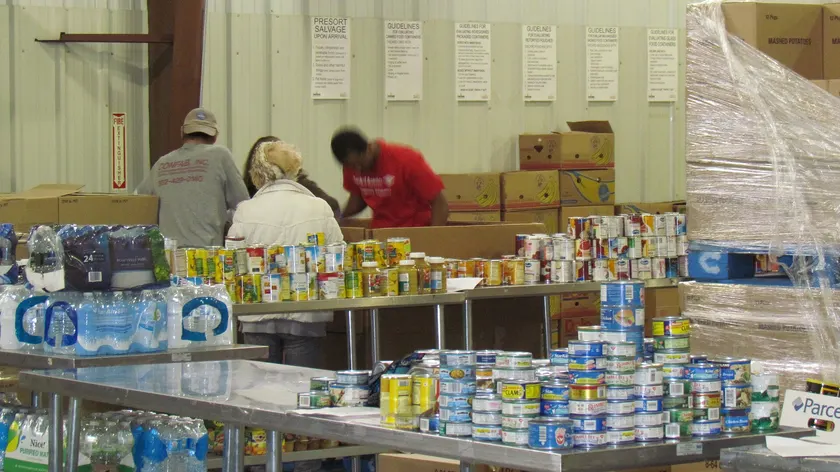 Community
Newfoundland hunters are sharing moose meat with food banks again
Sharing the Harvest is in its sixth year. Last year food banks received more than 4,000 pounds, and this year's goal is to pass 5,000.
Verified · CBC Heroes
A retired United Airlines worker has given 500 hours to a Colorado food bank
Bonnie Kirlin of Aurora has volunteered with Food Bank of the Rockies for more than eight years. After retiring, she still comes three or four times a month and packs weekend food bags for kids.
Verified · Denver7 Community
A Westerly pizza shop's trunk-or-treat also fills a food drive
Casa Della Luce's fifth annual event at Mill Pond Plaza drew hundreds and collected canned food. Last year the same night gathered more than 2,000 pounds for a local shelter.
Verified · NBC 10 WJAR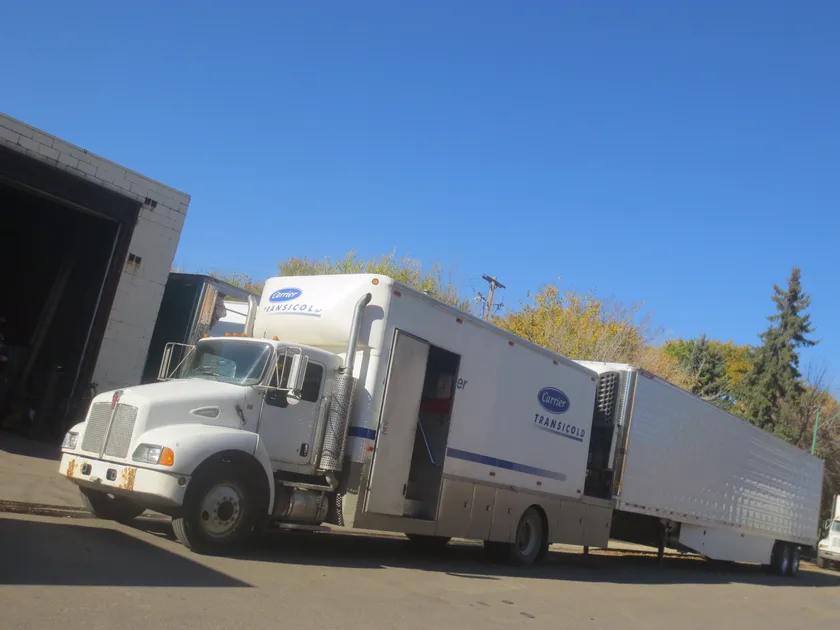 Community
A $435,000 gift will put two new refrigerated trucks on the road for the Lowcountry Food Bank
Publix Super Market Charities' donation also buys an electric forklift and warehouse upgrades for the food bank serving 10 coastal South Carolina counties.
Verified · ABC News 4 (WCIV)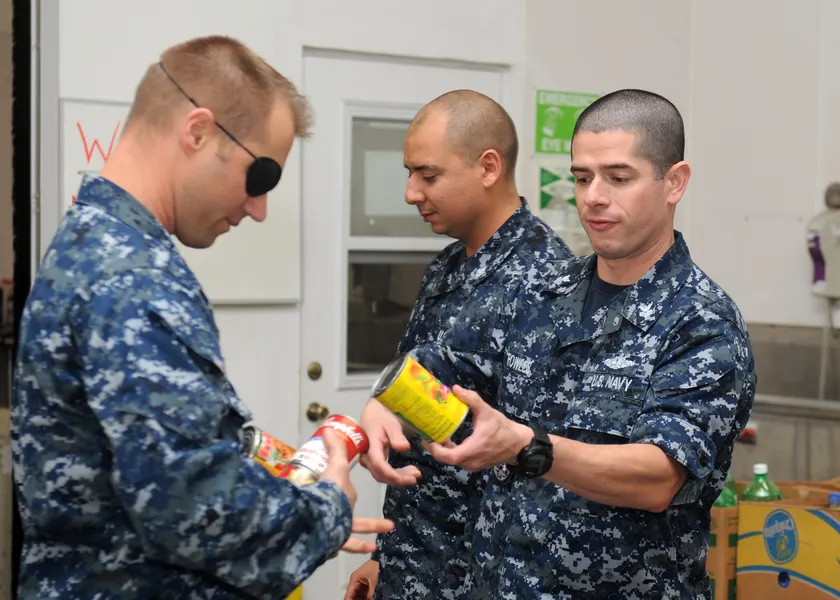 Community
A Reddit post brought new donors to the Port Townsend food bank
A volunteer’s post drew first-time gifts to the Jefferson County Food Bank, including donations from people who had never given there before.
Verified · Peninsula Daily News