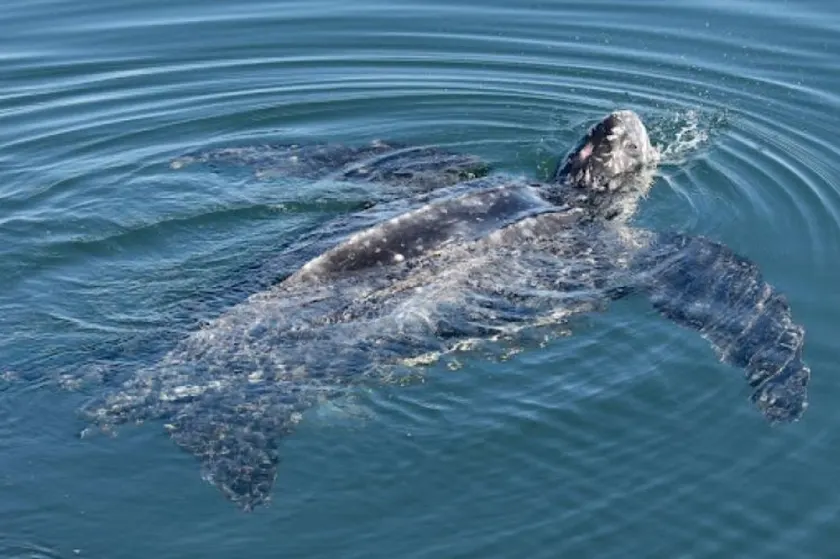
A leatherback named Bella saw 134 of her eggs hatch in Ecuador
Simon Fraser University said eastern Pacific leatherbacks nested in record numbers on Ecuador beaches in the 2025-26 season. Bella alone produced a 91.8 percent hatch rate.

Read the original
The reporting lives at Simon Fraser University. Our summary is checked against it, and we link it on every story.
Eastern Pacific leatherbacks laid a record number of nests on Ecuador beaches in the 2025-26 season, more than 1,000 miles from the nesting grounds most of them still use in Mexico and Costa Rica. Simon Fraser University announced the study on November 9, 2026. It appears in Chelonian Conservation and Biology and reviews more than 45 years of sightings, nests, hatch rates, and strandings, set against El Niño and La Niña swings in sea temperature. Juan José Alava, a co-author, said females on these beaches used to be a rare event. Nest yield and hatch rates were comparable to the traditional beaches farther north, and in some cases higher.
One tagged turtle, Bella, came ashore at Crucita by moonlight in January 2026. Streetlamps turned her around. She climbed a rock breakwater, reached a sidewalk, and returned to the sea still carrying eggs. Two nights later she nested on a quieter stretch, laid 47 eggs, and 44 hatchlings later made the water. She nested four or five times that season. One nest stayed where she dug it. The others were moved to the San Jacinto hatchery. Of 146 eggs, 134 hatchlings emerged, a rate of 91.8 percent. The subspecies has fallen by more than 90 percent since the 1980s. The news is this nesting season and Bella's hatch rate. It is not a recovered population.
For the classroom
Simon Fraser University reported on November 9, 2026, that leatherback sea turtles are nesting on beaches in Ecuador, far from the Mexican and Costa Rican beaches where most of them nest. One turtle, named Bella, came ashore at Crucita in January 2026. Streetlights confused her the first night, and she went back to the sea without laying eggs. Two nights later she nested on a quieter stretch and laid 47 eggs. Forty-four of those hatchlings reached the water. She nested four or five times in the season. Of 146 eggs, 134 hatchlings emerged, about 92 percent. Some nests were moved to a hatchery at San Jacinto. The wider population is still in deep trouble. This is a strong season for these nests, not proof the species has recovered.
- Why would bright lights on a beach make it hard for a turtle to nest?
- What is one quiet thing a beach town can do during nesting season?
For a teacher to read with a class. Print the story of the day · Morning announcements · All classroom stories · This week's Good News Friday pack
Crucita, EcuadorSea turtlesWildlife conservationGood news on November 11
More good news
Other stories in the same neighborhood of kindness.
 Animals
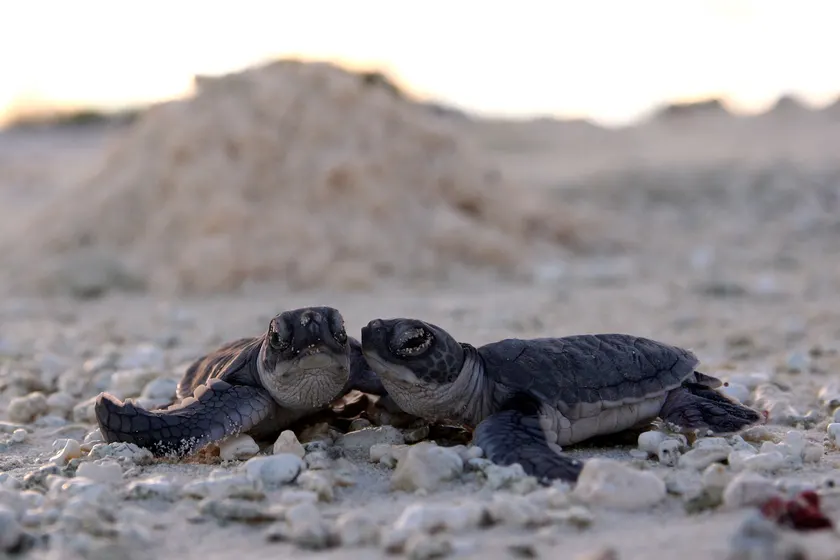
A Mazatán group walked the first 90 hatchlings of the season to the sea
El Sol del Soconusco reported that the turtle museum's community team has 22 nests in protection, seven more than last season, and a public release with no hands on the animals.
Verified · El Sol del Soconusco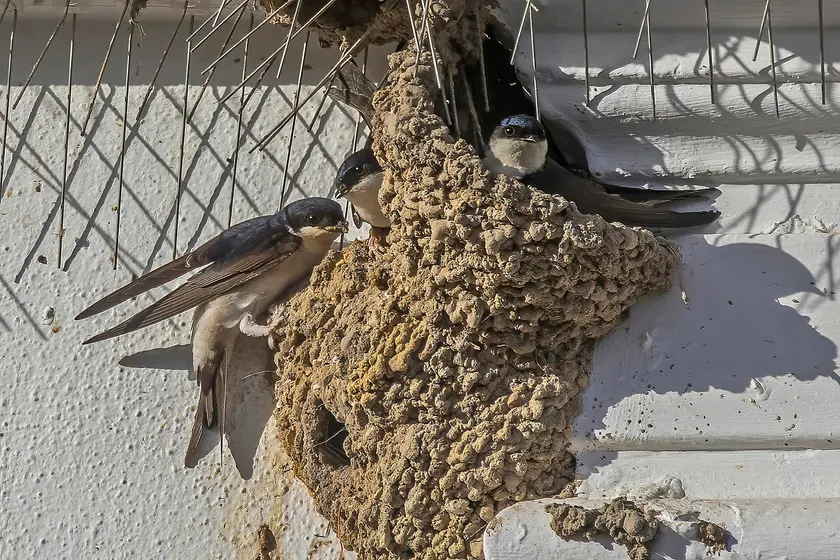 Animals
Hampshire is offering hundreds more nest cups for house martins
A pilot put up 249 artificial cups and 27 were used, more than the team expected. The next phase could fit as many as 900, free, near known nests.
Verified · BBC Animals
Rescuers lifted a pregnant heifer out of a mine shaft near Keyneton
About 15 volunteers and a local vet spent three hours getting the animal out of a three-metre hole on a Barossa farm. She walked off with scrapes and bruises.
Verified · ABC News