Divers off Dahme are replanting seagrass, and a 2021 meadow looks dense
Conservation divers lifted shoots from a donor meadow in the Baltic and are checking a meadow first planted in 2021. Scientists say the Baltic's long decline in seagrass has stopped, not that the lost meadows are back.

Read the original
The reporting lives at DW. Our summary is checked against it, and we link it on every story.
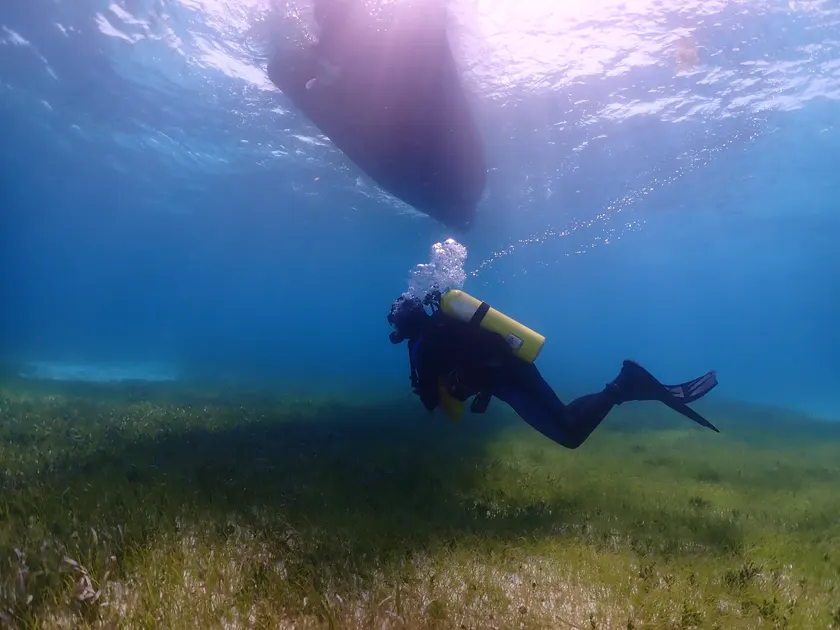
Divers off Dahme are moving seagrass shoots by hand, and a meadow planted in the Baltic in 2021 is still thick. DW reported on October 28, 2026, that about half a dozen divers were working in cold water off the beach town, lifting shoots with the roots intact from a donor meadow and bagging them for a new site. They take only a few from each spot. The young plants need sand, shelter from waves, and enough light.
Myriam Spicka, who leads the NGO Seagrass Conservation, said she has watched the meadows change across more than 30 years of diving. Scientists estimate that about 60 percent of the Baltic coast's seagrass is gone. Thorsten Reusch of the GEOMAR Helmholtz Centre in Kiel called that the bad news, and said the good news is that the decline has stopped. The meadows feed fish and crabs, slow waves, and store carbon in the seabed much faster than forests, DW reported, on the order of 30 to 50 times. That storage rate is a scientific estimate, not a claim about one new patch off Dahme.
Planting shoot by shoot is slow. Reinhard Helbig's start-up ZosteraTec collects fresh seagrass washed ashore after storms, grows it, and binds strands with biodegradable thread on the beach so less of the work happens underwater. GEOMAR is also testing seed. Esther Thomsen said about 10 percent of plants in their meadows make seeds, and that seed adds genetic variety. She and colleagues checked the first Baltic meadow Germany planted in 2021, counting shoots against the donor bed. She said it looked dense. A dense check of one meadow is not a restored coastline.
For the classroom
Seagrass grows under the sea and gives fish and crabs a place to hide. DW reported on October 28, 2026, that divers were working in cold water off Dahme, in northern Germany. They lifted a few shoots from a healthy meadow, roots and all, to plant somewhere else. Scientists say about 60 percent of the Baltic coast's seagrass is gone, and that the decline has stopped. That is not the same as the old meadows growing back. Divers checked a meadow planted in 2021 and said it looked dense. One thick meadow is good news. It is not the whole coast.
- Why would divers take only a few shoots from one spot instead of pulling up a whole patch?
- What lives in a seagrass meadow that might not live on bare sand?
For a teacher to read with a class. Print the story of the day · Morning announcements · All classroom stories · This week's Good News Friday pack
Dahme, GermanyWildlife conservationVolunteersGood news on October 28
More good news
Other stories in the same neighborhood of kindness.
 Science
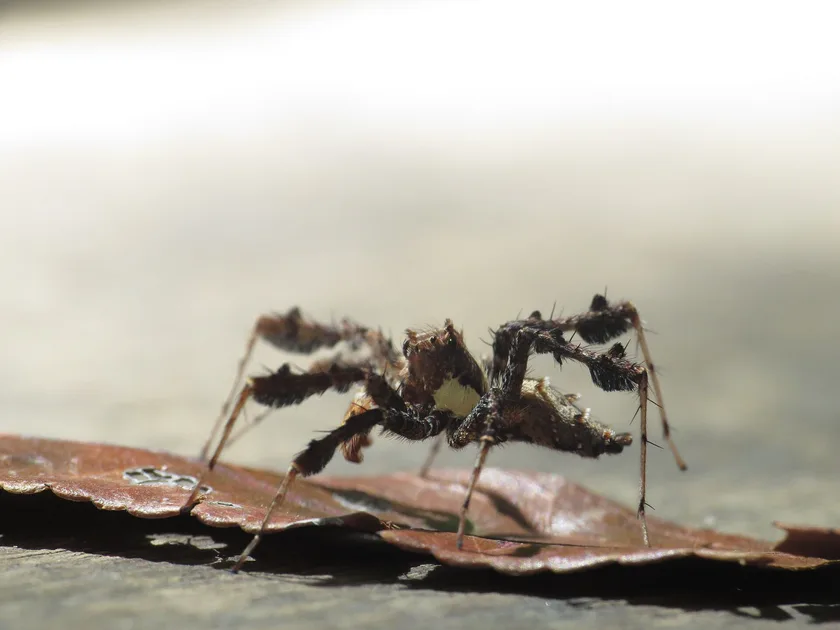
A jumping spider in a Bonn study slept in two clear stages
Video of Portia fimbriata, published in PNAS, showed a still phase and a later one with eye movements and twitching legs. The spiders were slower to wake from the still phase.
Verified · ABC Science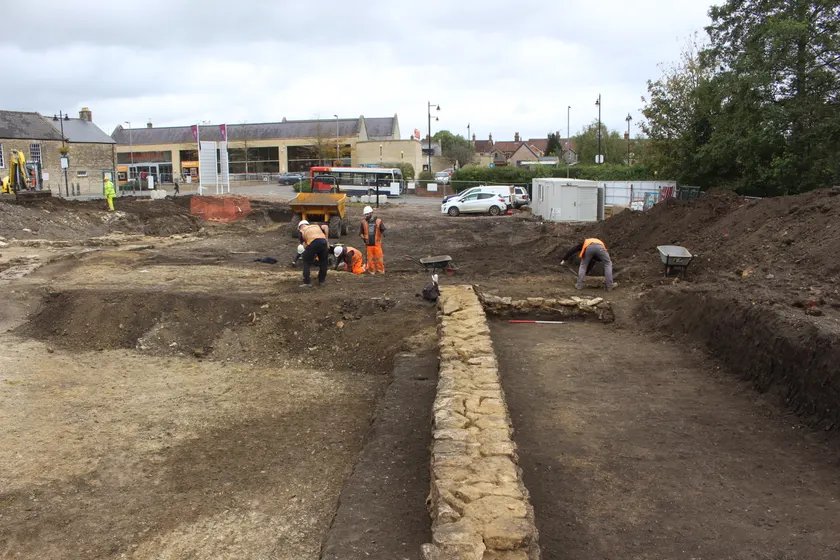 Science
Archaeologists found a Roman temple just under a Taunus forest floor
The small temple beside the Kapersburg fort was only inches underground. An inscription suggests it was dedicated to Mars, and a figurine is likely Victoria.
Verified · Smithsonian Magazine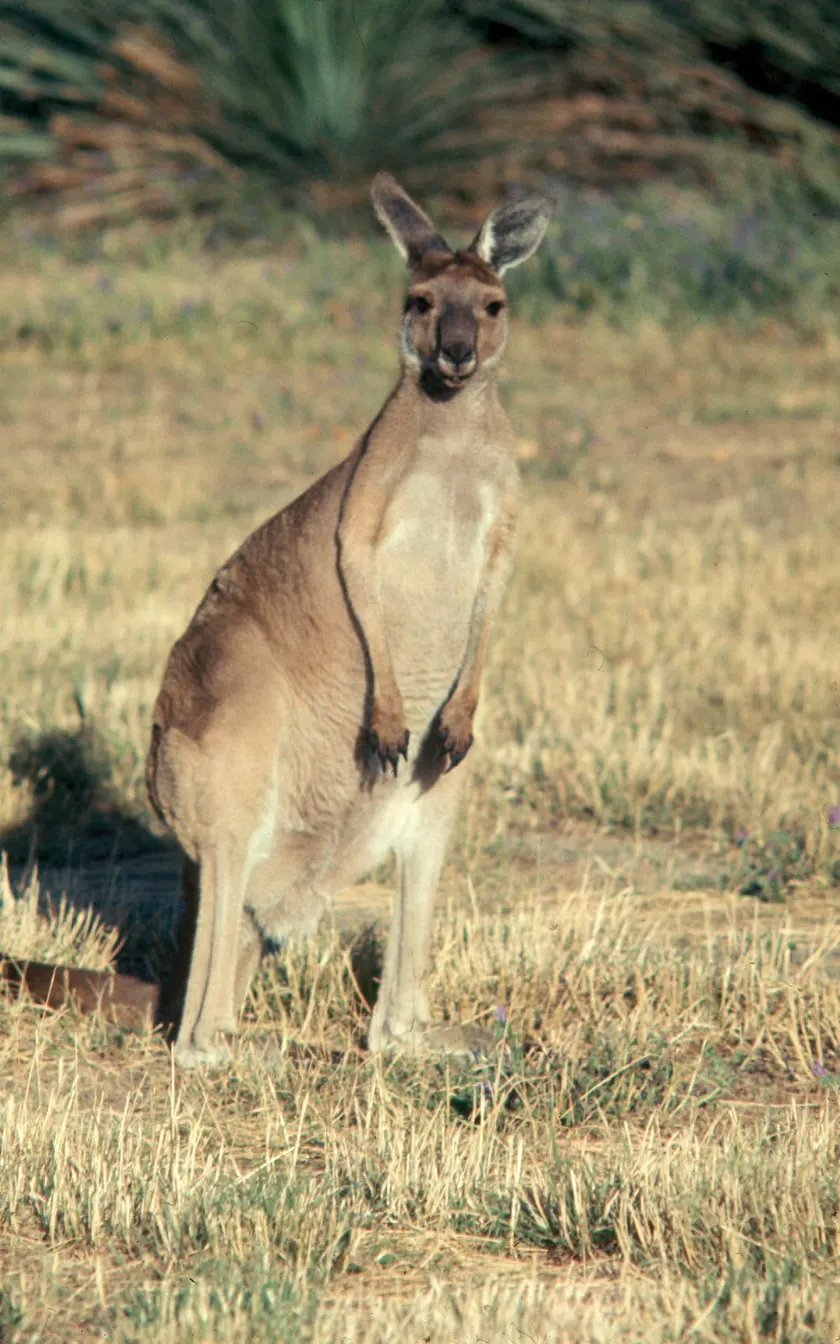 Science
Koonibba students mapped megafauna footprints at Fowlers Bay
A 10-year-old found a track that had not been recorded before. Twenty-one students from the Aboriginal school tied the prints to stories of ancestors who lived among giant animals.
Verified · ABC News