Koonibba students mapped megafauna footprints at Fowlers Bay
A 10-year-old found a track that had not been recorded before. Twenty-one students from the Aboriginal school tied the prints to stories of ancestors who lived among giant animals.

Read the original
The reporting lives at ABC News. Our summary is checked against it, and we link it on every story.
Students from Koonibba Aboriginal School have been reading giant animals out of the ground, not only out of books. ABC News reported on October 31, 2026, that 21 students traveled from their remote classroom to rock art in the Flinders Ranges and then to fossil tracks near Fowlers Bay, on South Australia's west coast.
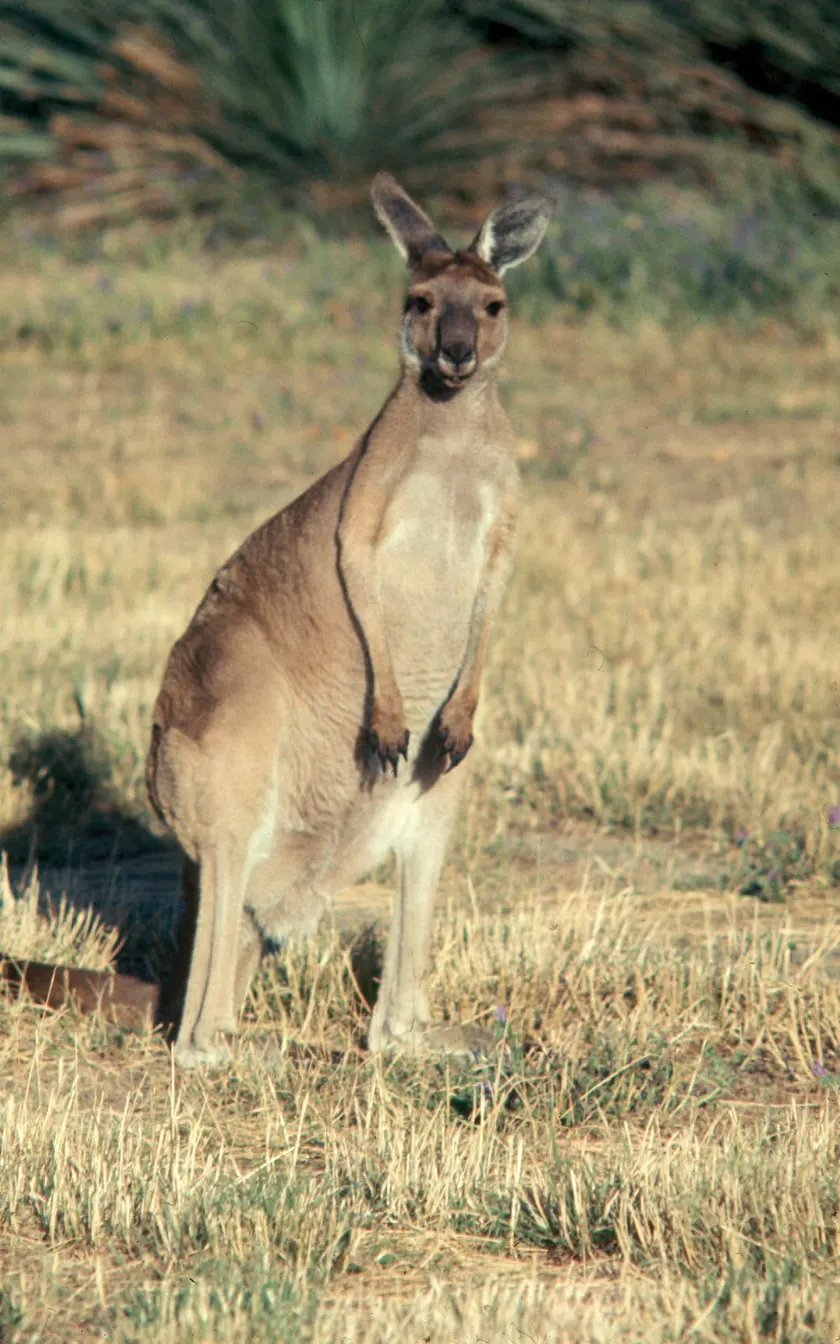
Reece, 10, found a round print in the rocky beach crust that had not been documented. Palaeontologist Aaron Camens of Flinders University said it was most likely a Procoptodon, a short-faced kangaroo. The largest of those animals stood about 2.7 metres tall and weighed about 240 kilograms. They died out at least 15,000 years ago. Camens said the coastal prints were probably left in the last warm period between ice ages, about 120,000 to 130,000 years ago, when the sea sat near where it is now. Storms bury some tracks and uncover others.
Adnyamathanha guide Kristian Coulthard took the students to a petroglyph site, Yura Mulka, and explained carvings of ancestors with megafauna. Principal Mark Prince said the trips sit beside classroom work and a student talk at the 2026 Aboriginal STEM gathering in Adelaide in August. The class used quadrants to map tracks, including measurements that can hint at how fast an animal was moving. The story ABC published is about that learning. It is not a claim that the animals still live on the coast.
For the classroom
Students from Koonibba Aboriginal School in South Australia went looking for traces of giant animals that lived long ago. ABC News reported on October 31, 2026, that 21 students traveled to the Flinders Ranges and then to Fowlers Bay. Reece, who is 10, found a footprint that had not been written down before. Scientists think it came from a short-faced kangaroo, a huge animal that is gone now. The students also heard from an Adnyamathanha guide about rock art that shows people and those animals together. They used grids to map the tracks, which is a kind of maths. Two students later shared the work at a science gathering in Adelaide.
- What can a footprint tell you when the animal itself is gone?
- Why did the students talk with local knowledge holders as well as a palaeontologist?
- Where near your school could a class look carefully at the ground?
For a teacher to read with a class. Print the story of the day · Morning announcements · All classroom stories · This week's Good News Friday pack
Koonibba, AustraliaStudentsSTEMIndigenous communitiesGood news on October 31
More good news
Other stories in the same neighborhood of kindness.
 Science
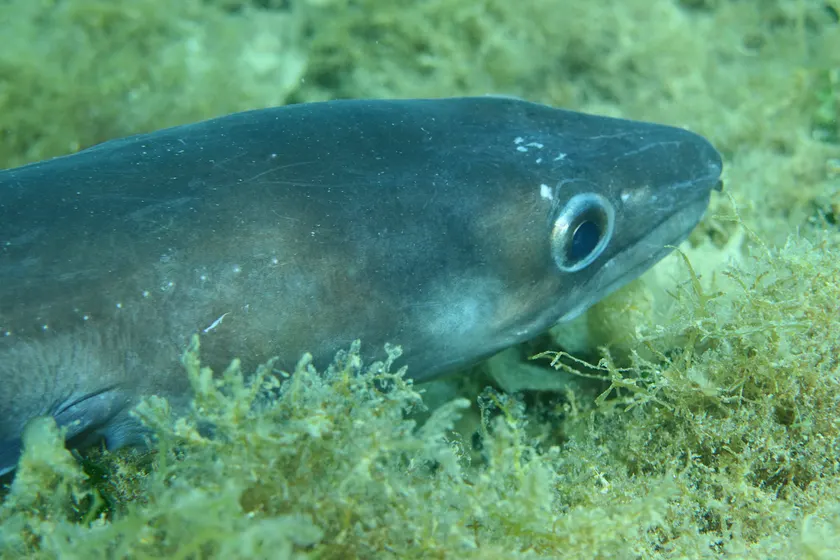
About 2.8 million eels gather to spawn beside a seamount off Tasmania
A CSIRO-led study in Royal Society Open Science puts the only known deep-sea eel spawning aggregation at Patience Seamount, in Huon Marine Park.
Verified · ABC News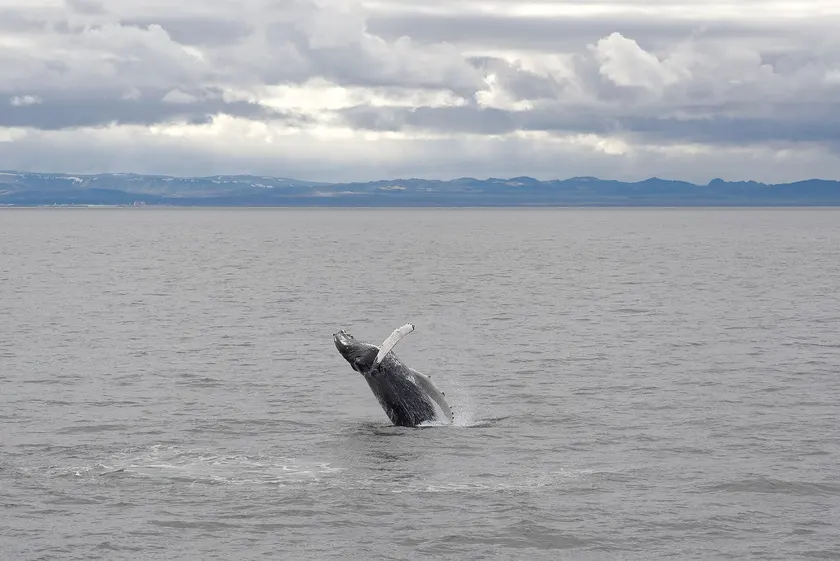 Science
Hervey Bay humpbacks reach most of their adult length by about age seven
Drone measurements of living whales show the eastern Australian population growing up faster than other humpback groups measured the same way.
Verified · Phys.org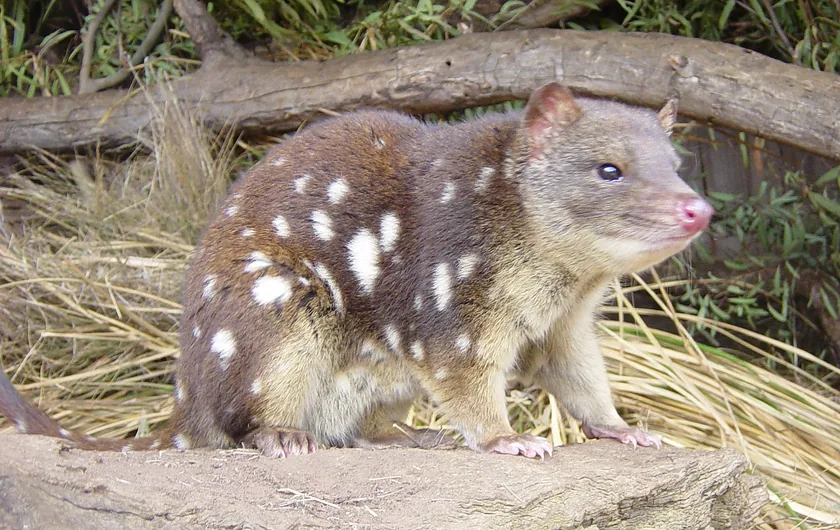 Science
Native mammals returned across burnt Blue Mountains bushland
Five years after the Black Summer fires, camera traps found a similar set of native mammal species in burnt and unburnt bush. Feral cats were photographed more often than before.
Verified · NSW Local Land Services