A Firth of Forth oyster project won a national research prize after 60,000 shells went back
Heriot-Watt University said Restoration Forth, which has returned more than 60,000 native oysters to the Firth of Forth since 2022, won Research Project of the Year at the Times Higher Education Awards.

Read the original
The reporting lives at Heriot-Watt University. Our summary is checked against it, and we link it on every story.
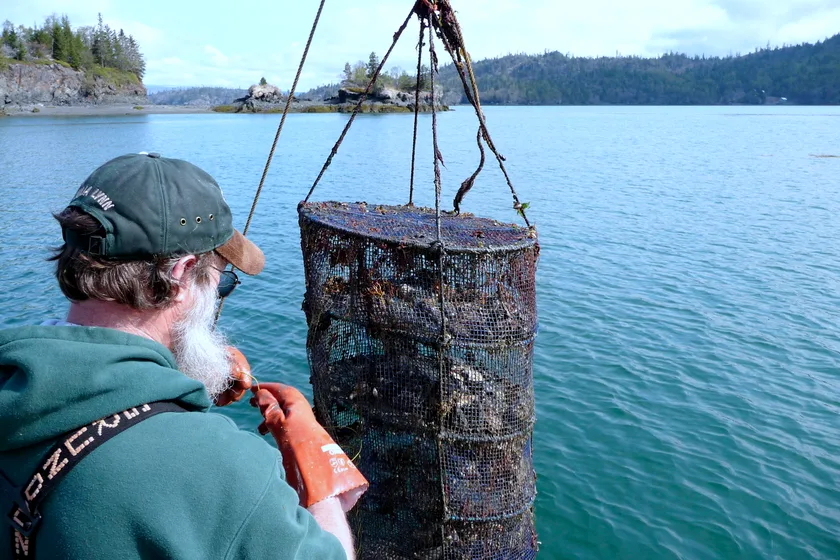
A project that has been putting native oysters back into the Firth of Forth has a national research prize for work already in the water. Heriot-Watt University said on November 27, 2026, that Restoration Forth won Research Project of the Year in science at the Times Higher Education Awards. Since 2022 it has returned more than 60,000 European flat oysters and recorded some of the highest survival rates the partners have seen. At their peak, the university said, the firth's beds yielded up to 30 million oysters a year. By the start of the twentieth century, overfishing had wiped them out locally. Oysters filter water and build habitat for other animals.
Professor Bill Sanderson, who leads the science, accepted the award on Thursday evening with Professor Teresa Fernandes. He credited volunteers and partners including WWF and the Marine Conservation Society. The university said more than 700 volunteers joined 37 events, gathering habitat data that went into models of where oysters can live. Deputy principal Chris Turney said the work has brought native oysters back to the firth for the first time in more than 100 years. The next phase is a hatchery at North Berwick, run by Balanced Horizons with the university's help, aimed at a much larger number. That larger number is an ambition. The news is the oysters already returned, the volunteer counts, and the prize.
For the classroom
Heriot-Watt University said on November 27, 2026, that Restoration Forth won a national science prize. Since 2022 the project has put more than 60,000 native oysters back into the Firth of Forth, the wide estuary by Edinburgh. Those beds once produced up to 30 million oysters a year. By the early 1900s, overfishing had wiped them out locally. Oysters clean water and give other animals a place to live. More than 700 volunteers helped at 37 events. A hatchery is planned next. The millions of oysters people hope for later are a plan, not a number already in the water.
- How can one kind of shellfish make the water better for other animals?
- Why would volunteers need to count surviving oysters, not only the ones they put in?
For a teacher to read with a class. Print the story of the day · Morning announcements · All classroom stories · This week's Good News Friday pack
Edinburgh, United KingdomWildlife conservationVolunteersGood news on November 27
More good news
Other stories in the same neighborhood of kindness.
 Science
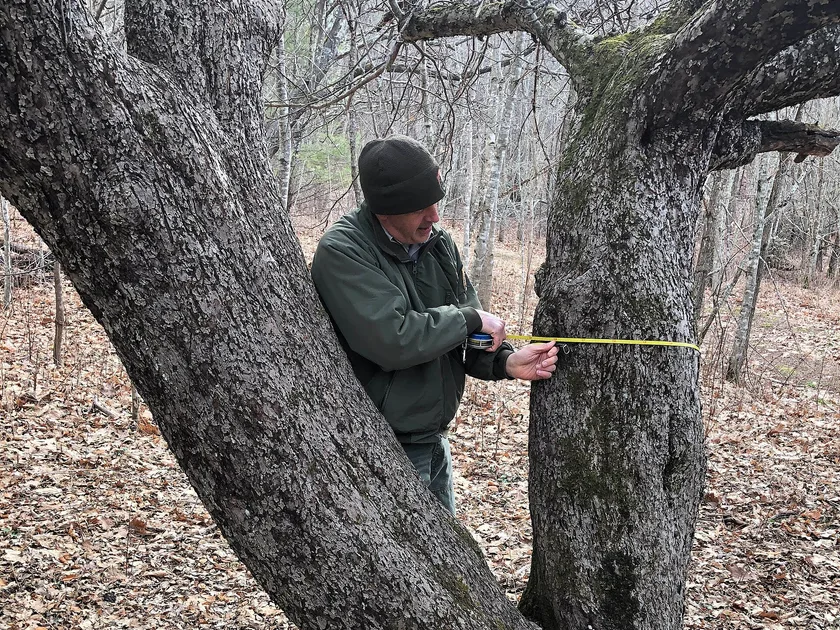
A Bristol team has stitched 3,458 laser maps into one atlas of the world's forests
Phys.org reported that University of Bristol researchers published the Global Canopy Atlas in Nature Ecology and Evolution, joining airborne laser surveys from 56 countries.
Verified · Phys.org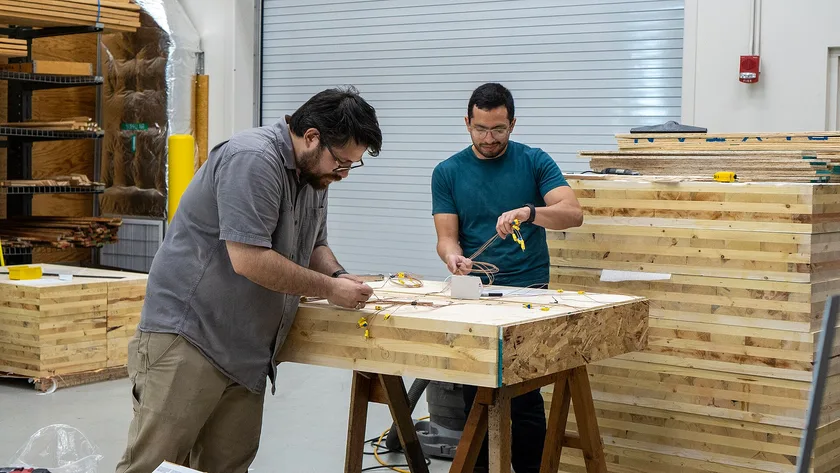 Science
York's test houses show a tighter home can be cleaner and also too hot
The Guardian reported that early measurements at the University of York found less outdoor particle pollution in a tightly built test house than in a typical one, and that the efficient house ran about 5 degrees hotter in summer.
Verified · The Guardian Science
BepiColombo is circling Mercury after an eight-year flight
BBC News reported that the European and Japanese probe is in orbit after a trip of nearly 10 billion kilometres, with a software hiccup that shortened the final engine burn.
Verified · BBC News