BepiColombo is circling Mercury after an eight-year flight
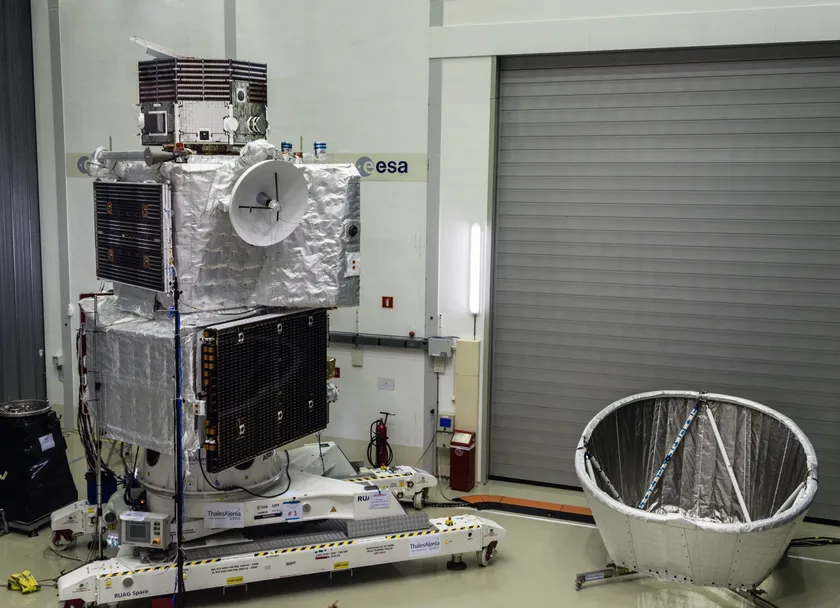
BBC News reported that the European and Japanese probe is in orbit after a trip of nearly 10 billion kilometres, with a software hiccup that shortened the final engine burn.

Read the original
The reporting lives at BBC News. Our summary is checked against it, and we link it on every story.
BepiColombo is in orbit around Mercury after an eight-year flight of nearly 10 billion kilometres, BBC News reported on November 22, 2026. The mission is a joint project of the European Space Agency and the Japan Aerospace Exploration Agency. It launched from French Guiana in 2018. To keep from falling into the Sun, the craft spent the whole trip braking, looping once around Earth, twice around Venus, and six times past Mercury. A propulsion fault stretched a seven-year plan by about a year.
The last step was a 37-minute maneuver meant to let Mercury's gravity take hold. ESA said telemetry showed the probe was flying around the planet, though a software issue made the thrusters fire for less time than planned. Only two spacecraft had visited before: Mariner 10, which flew past three times in the 1970s, and NASA's Messenger, which orbited from 2011 for four years.
Mercury's surface runs from about 430 degrees Celsius to about minus 180. A year there lasts 88 Earth days, and a day lasts 59 Earth days. Emma Bunce of the University of Leicester, a principal investigator, said the planet is under-loved and that the mission is meant to learn how it formed, why ice sits in polar craters, what the young hollows on the surface are, and why so much of so small a world is a metal core. Those are the questions. The news is that the spacecraft is there to start asking them.
For the classroom
BBC News reported that a spacecraft called BepiColombo is now flying around Mercury, the planet closest to the Sun. The European Space Agency and Japan's space agency launched it in 2018 from French Guiana. The trip took eight years and nearly 10 billion kilometres, with loops around Earth, Venus, and Mercury to slow down. A problem with the engines added about a year. The last move was a 37-minute turn so Mercury's gravity could catch it. A software issue made the engines fire for less time than planned, but the agency said signals from the craft show it is in orbit. Only two other spacecraft have visited Mercury. The science questions, including ice in dark craters, are still ahead. Being in orbit is the news. The answers are not in yet.
- Why would a spacecraft have to take a longer, looping path just to slow down?
- What is one question you would want a probe at Mercury to answer?
For a teacher to read with a class. Print the story of the day · Morning announcements · All classroom stories · This week's Good News Friday pack
More good news
Other stories in the same neighborhood of kindness.
 Science
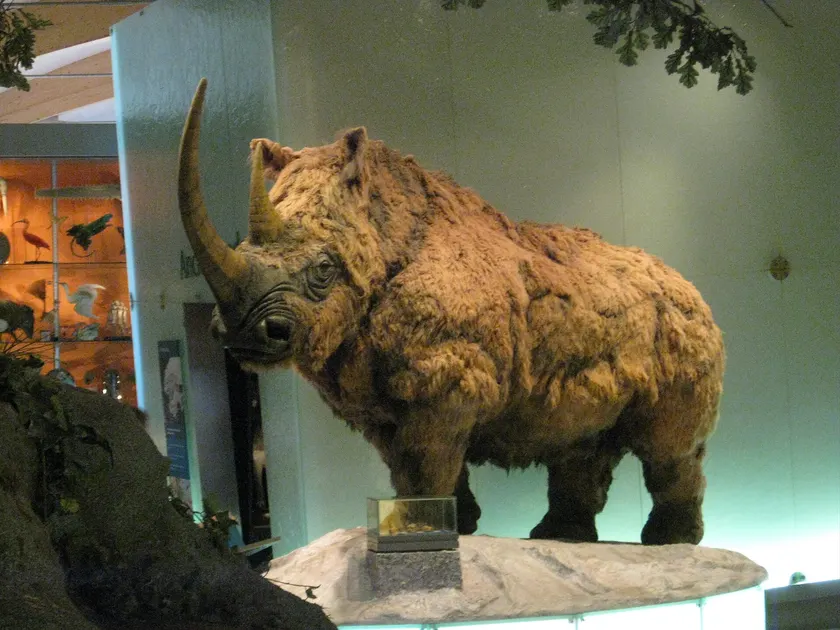
A heavy bone from the Blackwater shore is likely a woolly rhino's
Natural History Museum curators told Paul Rowe the curved bone he picked up near Tollesbury fits a woolly rhino pelvis from roughly 30,000 to 60,000 years ago. The match is an expert look, not a finished lab test.
Verified · BBC News Science
A weekly park visit lined up with stronger childhood social skills
BBC News reported that University of Exeter researchers, using 4,219 children in a long-running study, found better social-emotional scores among those taken to a park at least once a week.
Verified · BBC News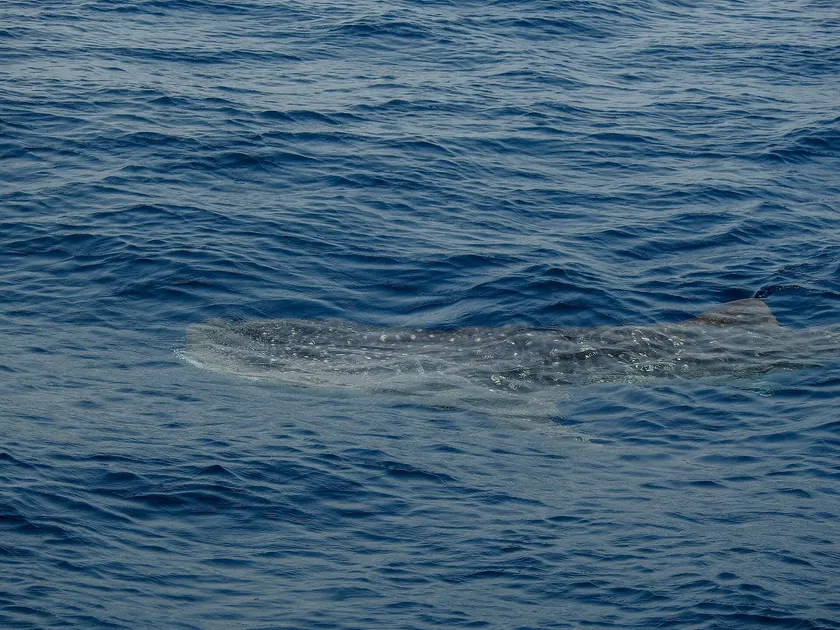 Science
A Southampton study found whale-shark detours would add little fuel
Researchers simulated eight shipping crossings and found that avoiding whale shark gathering sites, or slowing through them, raised fuel use by less than 1 percent on the routes they tested. Ships have not been reported as changing course.
Verified · Phys.org