Fruit-bat scent trials in Paraná pulled seed-carrying bats into open fields
Mongabay reported that essential oils and synthetic fruit scents drew fruit bats out of the forest. Researchers say the trick is still not a standard restoration recipe.

Read the original
The reporting lives at Mongabay. Our summary is checked against it, and we link it on every story.
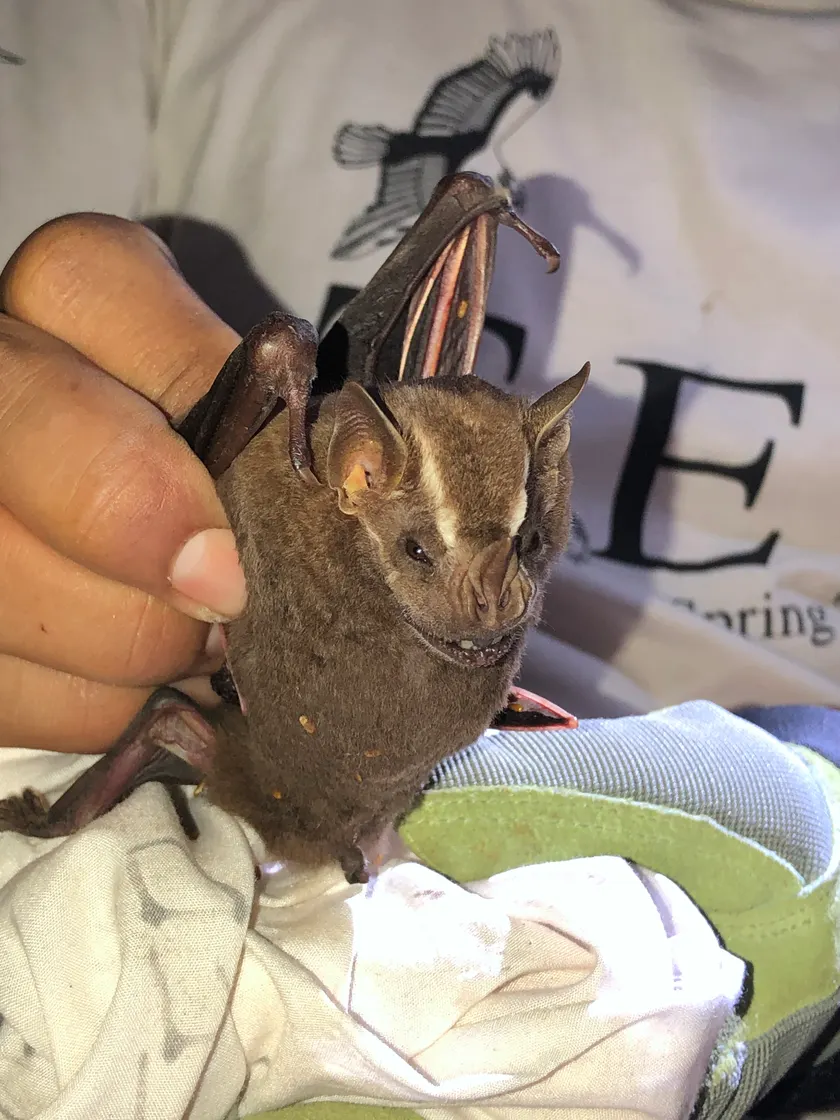
Mongabay reported on November 13, 2026, that fruit-eating bats in the Atlantic Forest disperse seeds from more than 140 plant species and can deposit between 600 and 25,930 seeds per hectare a day even on degraded ground, according to Embrapa Forestry. Sandra Bos Mikich of Embrapa and Gledson Vigiano Bianconi of the Federal Institute of Paraná tested that habit at Vila Rica do Espírito Santo State Park in Fênix. Artificial fruits scented with essential oil of pariparoba drew bats about 50 meters out of the forest into a farm field. Later work isolated synthetic compounds from Ficus, Piper, and Solanum fruits so the lure would not require harvesting the wild fruit the bats eat. Lays Cherobim Parolin, a professor at the Pontifical Catholic University of Paraná, said those compounds are already made for other industries.
Bats in the study digest a meal in about 30 minutes and circle a scent for up to four minutes, long enough, the researchers say, to drop seeds. Of the seeds found at the attraction points, 73.3 percent belonged to pioneer species that can establish in the open. The team marked more than 1,800 great fruit-eating bats and Seba's short-tailed bats and radio-tracked 32. Bianconi said farmland did not stop them moving between forest patches. He also said the method is not yet a standard restoration protocol. Pedro Brancalion of the University of São Paulo said bats will also spread plants people do not want, including the introduced tropical almond. The English article is a translation of reporting first published in Portuguese on October 15. The field results are real. A recipe a restoration crew could copy everywhere is not.
For the classroom
Mongabay reported on November 13, 2026, that fruit bats can help a damaged Atlantic Forest grow back. They eat fruit, cross farms, and drop seeds while flying. At a park in Fênix, Paraná, scientists set out fake fruits that smelled like a wild fruit. Bats followed the smell about 50 meters into a field. Of the seeds found there, 73.3 percent came from pioneer plants, which can grow in the open. The bats spread seeds from more than 140 kinds of plants. Scientists say the trick can help tree planting. It is not a finished recipe for every forest.
- Why would a smell, rather than a real fruit, be enough to bring a bat into a field?
- What is one reason scientists would not want to harvest lots of wild fruit to make the scent?
For a teacher to read with a class. Print the story of the day · Morning announcements · All classroom stories · This week's Good News Friday pack
Fênix, BrazilWildlife conservationTreesFarmingGood news on November 13
More good news
Other stories in the same neighborhood of kindness.
 Science
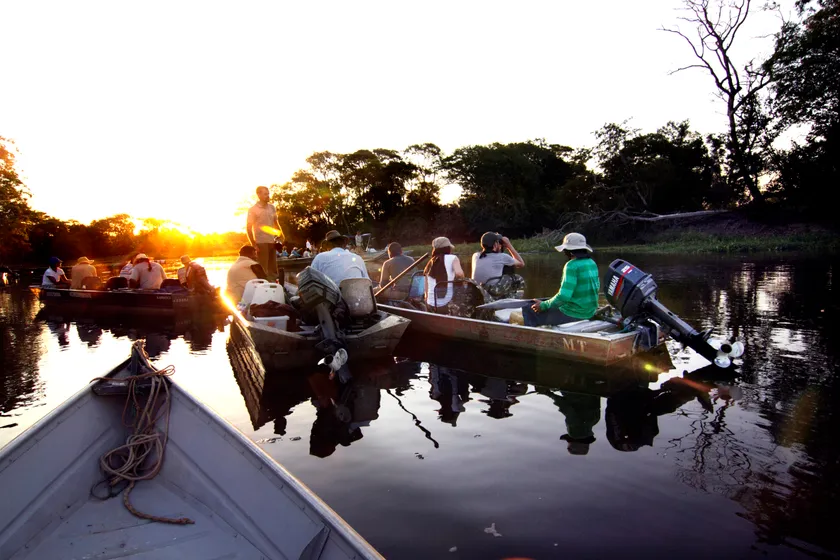
A Pantanal class is sailing from Corumbá toward Asunción
Campo Grande News reported that 33 people from 15 Brazilian states are on the river from November 9 to 15, finishing a conservation course run by the Homem Pantaneiro Institute and a federal institute.
Verified · Campo Grande News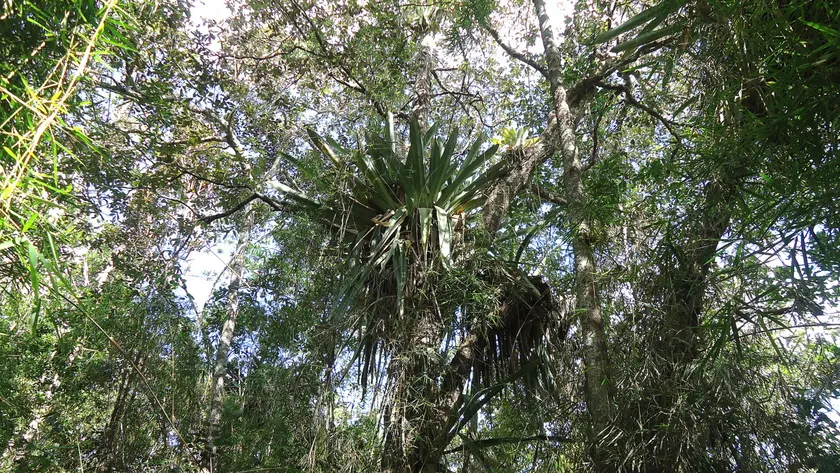 Science
Regrowing tropical forests shaded out many non-native trees
Across 1,561 plots in ten Neotropical countries, exotic trees were common in the first decades and then lost ground as the canopy closed.
Verified · Phys.org Health & Tech
A lower blood-pressure target cut repeat heart and stroke events
In the randomized OPTIMAL-Stroke trial of 4,368 people, a systolic target below 120 instead of 140 lowered major cardiovascular events by about 21 percent over four years. Kidney-related events rose.
Verified · American Heart Association