Wood white sightings at Fineshade Wood rose from 73 to 746 in a year
Butterfly Conservation counted the sightings two years after moving adults into the Northamptonshire wood. The charity says a dry July may still test the next brood.

Read the original
The reporting lives at Butterfly Conservation. Our summary is checked against it, and we link it on every story.
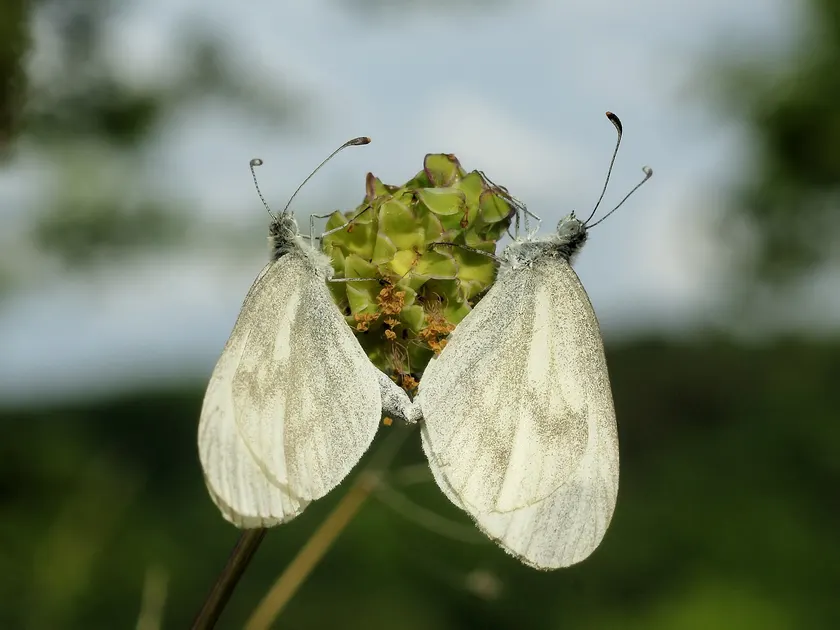
Volunteers recorded 746 wood white sightings at Fineshade Wood this year, up from 73 in 2025. Butterfly Conservation published the count on October 27, 2026, two years after the species was put back into the Northamptonshire woodland.
In 2024 the team moved 20 adults from Hazelborough Forest and Bucknell Wood, both Forestry England sites, with money from Natural England's Species Recovery Programme. Another 23 went out last summer. The charity said sightings per hour are nearly ten times last year's. One volunteer saw 42 on July 15 and the team reads those as a second generation, offspring of butterflies that flew in May. Sightings are not a census of individual insects. The same butterfly can be counted more than once.
Wood whites have cream wings with furry edges. Since 1992 their range in southern England and eastern Wales has shrunk by about 76 percent, and they now hang on in about a dozen fragments. They need sunny, sheltered rides and plants such as bird's-foot trefoil and meadow vetchling. Jamie Wildman, the charity's central England conservation manager, said the speed of the increase surprised the counters. Dan Hoare, director of nature recovery, said a warm spring may have sped up caterpillars where the plants sit in damp, grassy ditch edges, and that a network of rides lets adults shift to cooler grass in a heatwave. England's driest July on record, since the surveys began this year, is expected to press on the next larvae. Forestry England's Mark Underwood said staff and visitors have been seeing the butterflies in the wood. The charity hopes Fineshade can seed the surrounding forest. That spread is a hope. The number in hand is this year's sightings.
For the classroom
Butterfly Conservation reported that volunteers recorded 746 sightings of wood white butterflies at Fineshade Wood this year, up from 73 last year. In 2024, 20 adults were moved there from two other woods, and 23 more were released last summer. A sighting means someone saw a butterfly. It is not a count of 746 different insects. One volunteer saw 42 on July 15. A warm spring and sunny paths with the caterpillars' food plants helped. A very dry July may still make the next months harder. People will keep counting.
- Why is a sighting not the same thing as counting one butterfly once?
- What do wood white caterpillars need in a woodland path?
- How could your class help count insects without hurting them?
For a teacher to read with a class. Print the story of the day · All classroom stories
More good news
Other stories in the same neighborhood of kindness.
 Animals
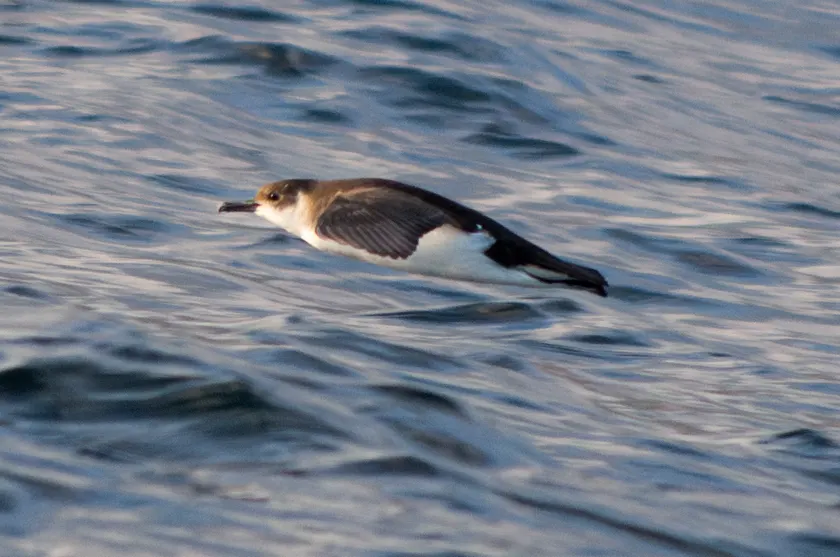
Young Manx shearwaters are learning the night sky over Canna again
Forty chicks have been moved from Rum to Canna, where rats wiped out a colony that once held about 3,000 breeding adults.
Verified · BBC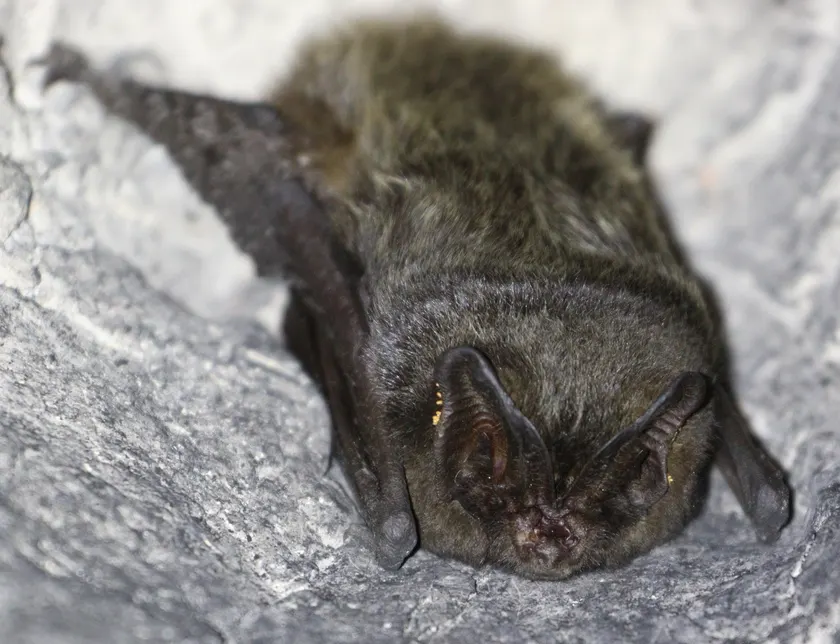 Animals
One of Britain's rarest bats is already flying over a Hertfordshire orchard
A 2024 survey found barbastelles at the Serge Hill Project near Abbots Langley, and keepers of the orchard are adding monitors to learn where the bats roost.
Verified · BBC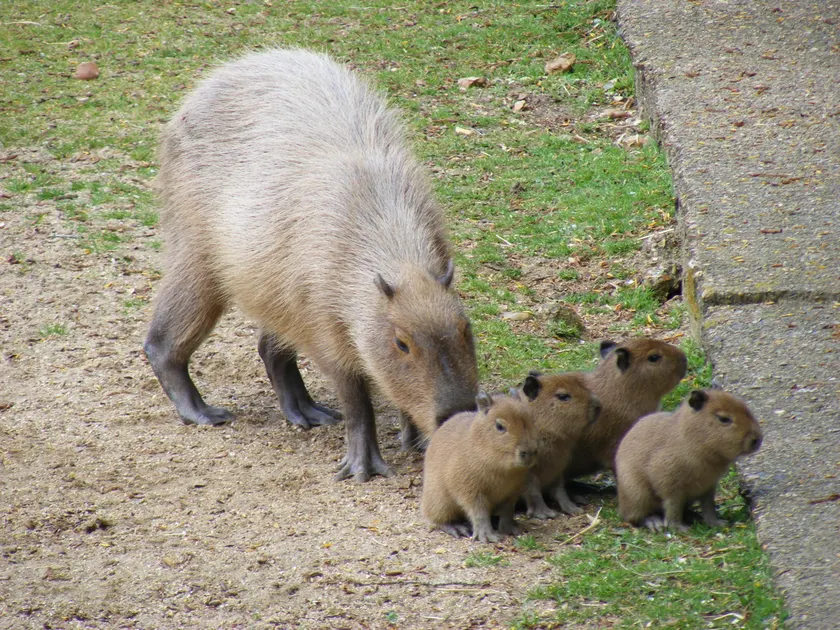 Animals
Three capybara pups were born overnight at Edinburgh Zoo
Keepers found Luna and Rodney's pups on October 28. Their sexes and names will wait for a health check, and older brother Bru is adjusting.
Verified · STV News