A new map shows where jaguars can still move, and where the gaps are
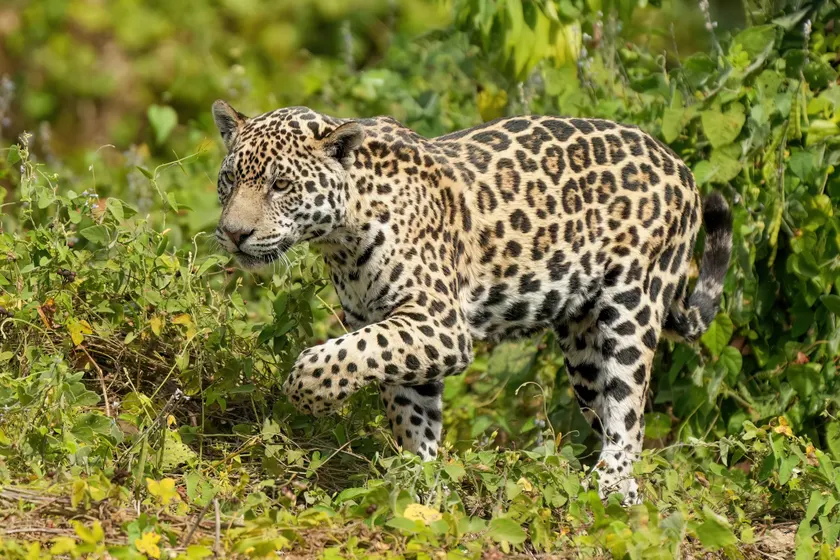
Mongabay reported that GPS collars on 172 jaguars outlined 307 core areas and 176 corridors, and that a male found on a porch in Foz do Iguaçu was later released in the national park.

Read the original
The reporting lives at Mongabay. Our summary is checked against it, and we link it on every story.
Mongabay reported on November 18, 2026, that a study in Global Change Biology mapped how jaguars still move across the Americas. Researchers used GPS collars on 172 cats in Argentina, Belize, Brazil, Colombia, Costa Rica, Mexico, Paraguay, and Peru. They marked 307 core areas, covering more than 7.75 million square kilometres, and 176 corridors between them, plus 507 more possible links among 905 protected areas and Indigenous territories. The largest core, about 6.5 million square kilometres, runs through the Amazon, the Llanos, the Chaco, and the Pantanal. Lead author Guilherme Costa Alvarenga, of the University of Oxford and the Mamirauá Institute in Tefé, said the last range-wide connectivity study was 15 years old and did not use collar data. The paper says jaguars have lost about half their historical range.
The local case in the same report is Tape'ỹ, a male found on a porch in Foz do Iguaçu in June 2026. He was sedated and later released in Iguaçu National Park. Yara de Melo Barros, of the Onças do Iguaçu Project, said that park's Green Corridor holds about a third of the fewer than 300 jaguars left in the Atlantic Forest, and that a recovering group is still at risk if it stays cut off. A separate effort, the Jaguar Rivers Initiative, brings together groups in Argentina, Bolivia, Paraguay, and Brazil to protect and reconnect about 1,200 square kilometres of the Paraná basin. Its first three years are budgeted at $80 million. A first boat survey left Corumbá in September. Alvarenga said the map is a first step, and that field checks of whether jaguars actually use the corridors are still ahead. The corridors on the map are places to check, not trails already secured.
Foz do Iguaçu, BrazilWildlife conservationRiversGood news on November 18
More good news
Other stories in the same neighborhood of kindness.
 Animals
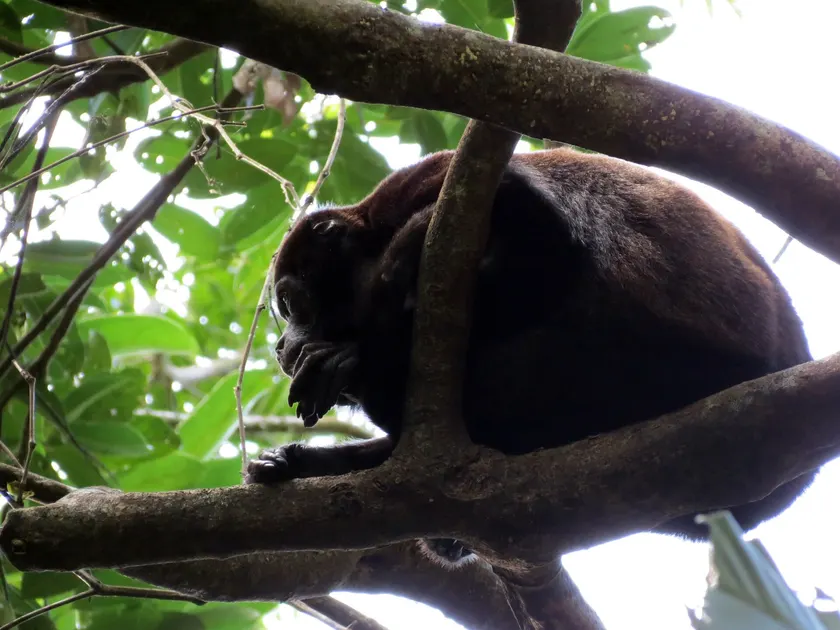
A newly named howler is already using rope bridges in Alta Floresta
National Geographic reported that Alouatta matogrossensis, described in October, showed up on camera traps along canopy crossings built to keep animals off the road.
Verified · National Geographic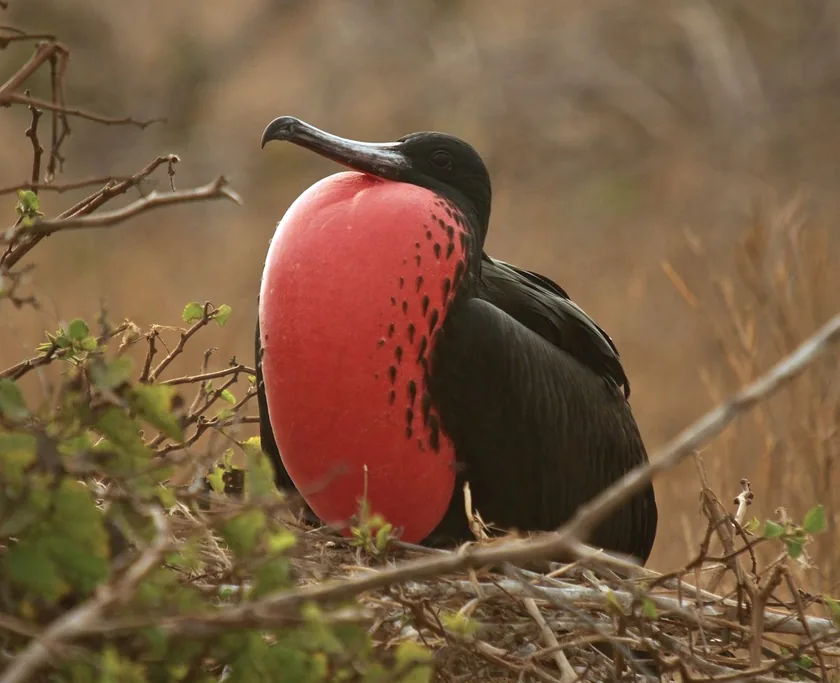 Animals
Alcatrazes marked ten years as a wildlife refuge
A decade after the archipelago off São Paulo became a federal refuge, monitors say sharks are showing up again. Night fishing is still a problem.
Verified · Folha de S.Paulo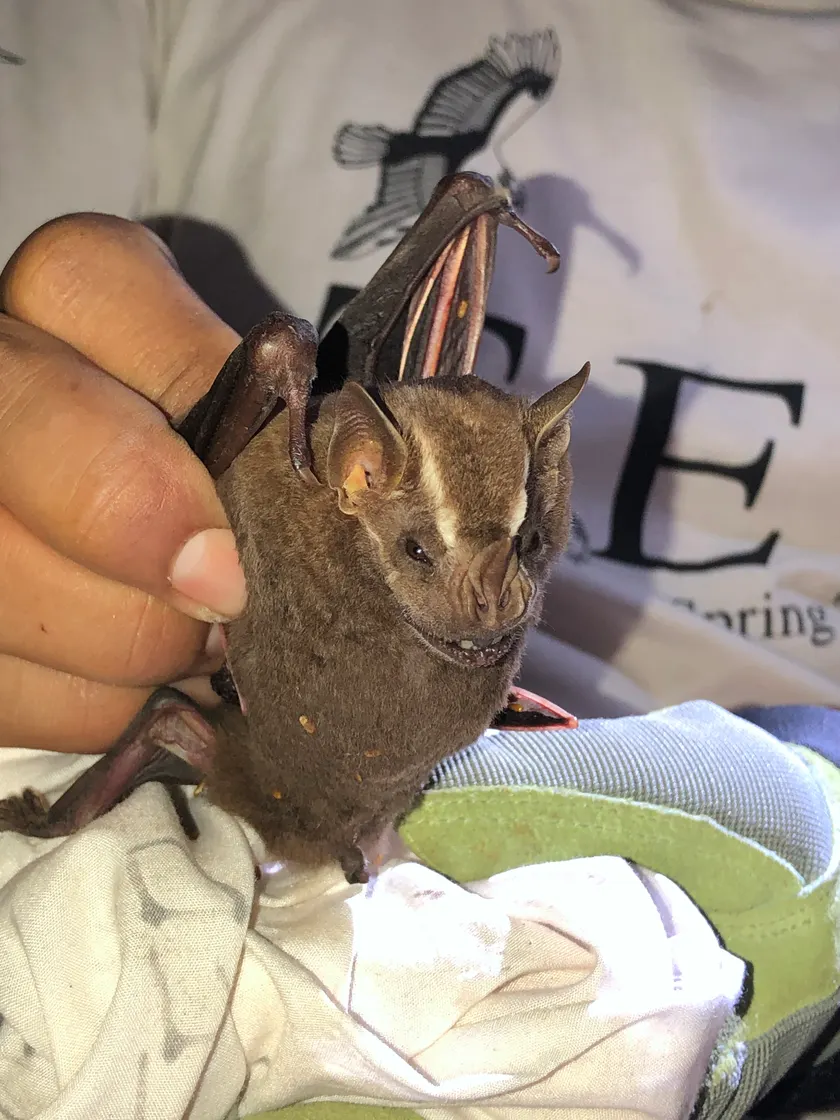 Science
Fruit-bat scent trials in Paraná pulled seed-carrying bats into open fields
Mongabay reported that essential oils and synthetic fruit scents drew fruit bats out of the forest. Researchers say the trick is still not a standard restoration recipe.
Verified · Mongabay