Rare Bagot goats are clearing a steep bank in Greenwich Park
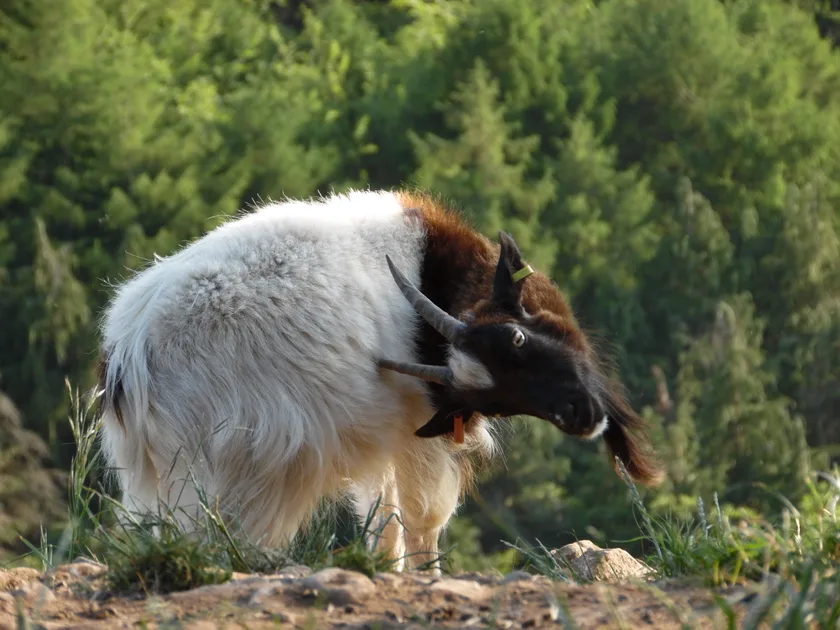
The Royal Parks brought a small herd in for five days to eat brambles on Castle Hill Bank, a slope too steep for mowers, below the Royal Observatory.

Read the original
The reporting lives at BBC News. Our summary is checked against it, and we link it on every story.
A small herd of Bagot goats is grazing a steep bank in Greenwich Park, BBC News reported on November 24, 2026. The Royal Parks brought the animals in for five days to clear holly, brambles, and thorny stems on Castle Hill Bank, below the Royal Observatory. The slope is hard to reach with machinery or by hand. Visitors can watch them between 11:00 and 15:30 GMT through Friday.
The trial is conservation grazing: animals hold back the plants that would otherwise take over, which leaves room for other growth and for insects, birds, and small mammals. The Royal Parks is working with Mudchute Park and Farm, on the Isle of Dogs, and the Rare Breeds Survival Trust, with funding from People's Postcode Lottery players. The charity calls the Bagot Britain's oldest native goat breed. The animals are small and light-footed, which suits uneven ground.
Park manager Clare Lanes said the view up to Flamsteed House is part of what makes the park a Unesco site, and that keeping the bank from closing that view has been a real problem. Mudchute farm manager Tom Davis said the work also gives a rare breed a job. The herd has a paddock, a lean-to, and fresh water, and it is walked on and off the site each day. The news is this five-day trial. It does not mean the goats will stay in the park.
For the classroom
BBC News reported on November 24, 2026, that a small herd of Bagot goats is eating its way across a steep bank in Greenwich Park, in London. The bank sits below the Royal Observatory and is hard to cut with machines. For five days the goats chew holly, brambles, and thorny stems so other plants have room to grow. Bagots are described as Britain's oldest native goat breed, and they are small enough for uneven ground. The Royal Parks is trying this with Mudchute Park and Farm and the Rare Breeds Survival Trust. Visitors can watch between 11:00 and 15:30 until Friday. The goats sleep off site and come back each morning with water and a shelter. This is a trial for one slope, not a new herd living in the park for good.
- Why might goats do a better job than a lawnmower on a very steep bank?
- What is one animal that helps a place you know by eating something people do not want?
For a teacher to read with a class. Print the story of the day · Morning announcements · All classroom stories · This week's Good News Friday pack
London, United KingdomParksWildlife conservationGood news on November 24
More good news
Other stories in the same neighborhood of kindness.
 Animals
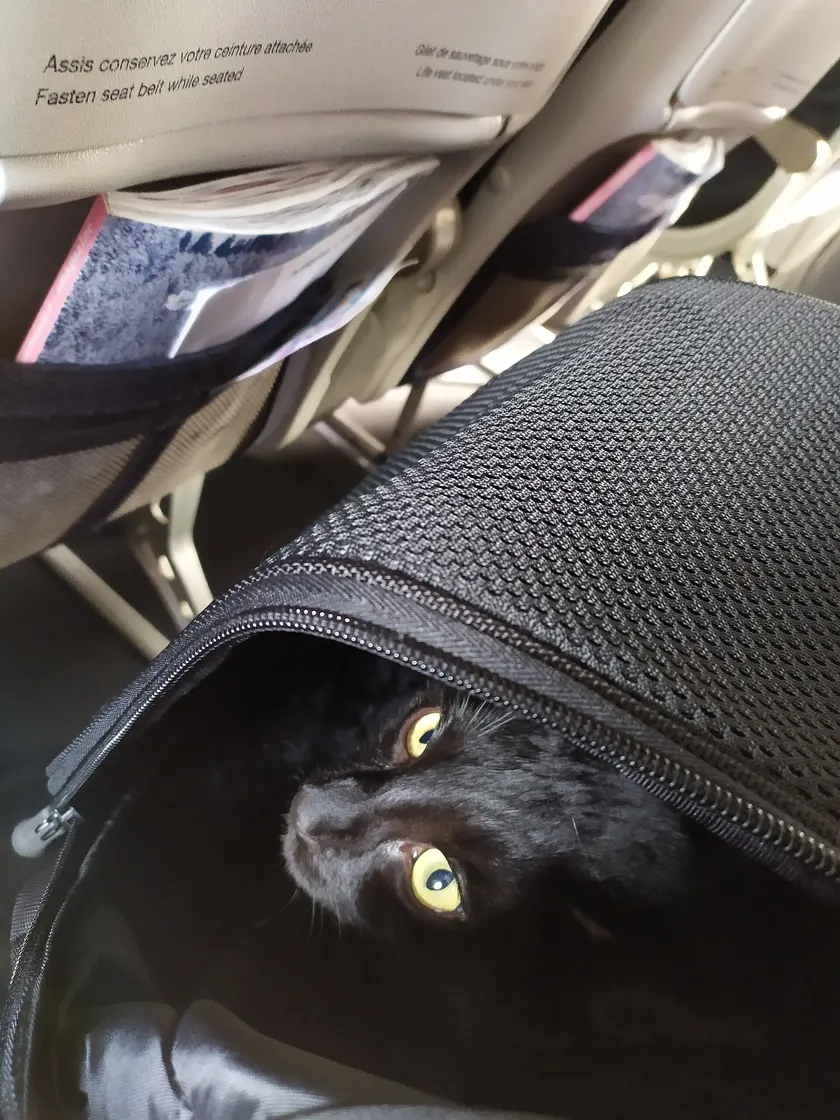
A Braintree cat rode the train to London and staff brought him home
BBC News reported that Zeus, a four-year-old cat, boarded the 20:08 from Braintree on November 10 and was kept safe at Liverpool Street until Greater Anglia staff rode back with him.
Verified · BBC News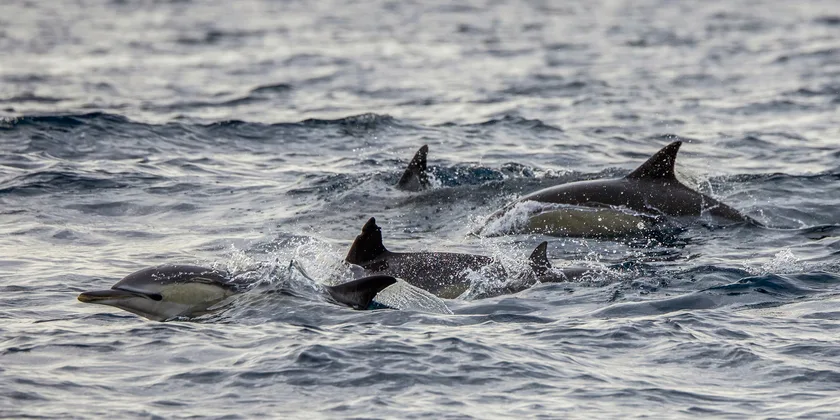 Animals
Medics returned a stranded common dolphin to the sea off the Gower
BBC Wales reported that volunteer medics kept a male common dolphin upright on a remote beach at Rhossili, then walked him back into the water once he could swim.
Verified · BBC News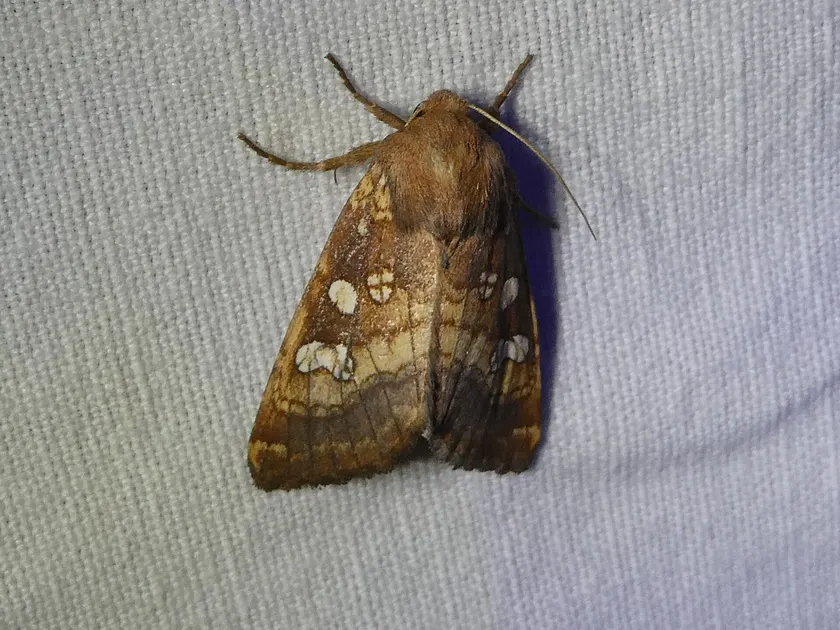 Animals
A rare Essex moth was counted 111 times at Abbotts Hall
BBC News reported a record year for Fisher's estuarine moth at a reserve in Great Wigborough, where hog's fennel planted in 2005 now supports a population the trust calls self-sustaining.
Verified · BBC News