A rare Essex moth was counted 111 times at Abbotts Hall
BBC News reported a record year for Fisher's estuarine moth at a reserve in Great Wigborough, where hog's fennel planted in 2005 now supports a population the trust calls self-sustaining.

Read the original
The reporting lives at BBC News. Our summary is checked against it, and we link it on every story.
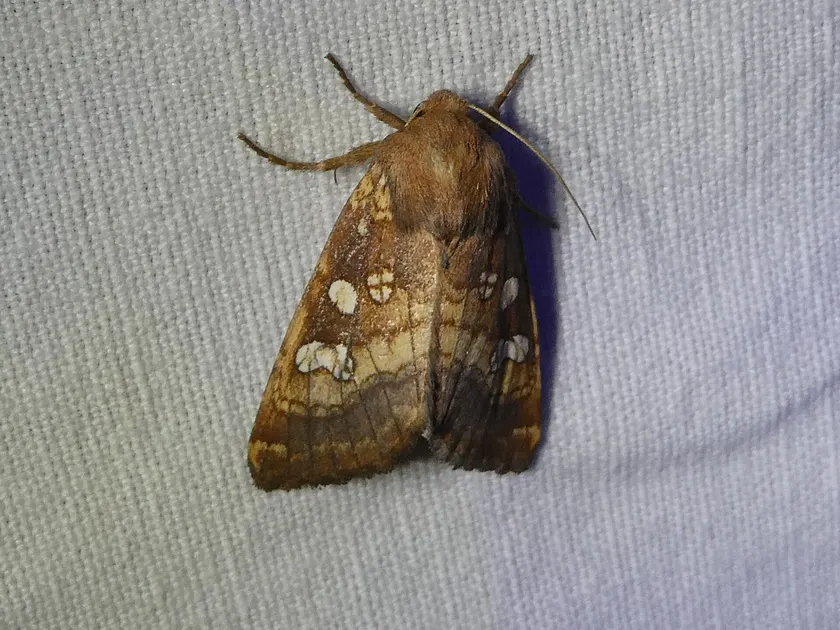
Wildlife watchers recorded Fisher's estuarine moth 111 times in 2026 at Abbotts Hall in Great Wigborough, near Colchester. BBC News reported the count on November 22. Dr Zoe Ringwood, senior conservation evidence manager at Essex Wildlife Trust, called the rise an important success and a result of action based on evidence. The moth is pale gold-brown with light and dark spots. It lives in low grassland that floods and erodes, and it depends on hog's fennel, a rare plant that rising sea levels have damaged.
The trust planted hog's fennel at Abbotts Hall in 2005 and introduced moth eggs five years later. More than 100 of the insects were recorded for the first time in 2025, and 2026 passed that mark. The charity said it is confident the reserve now holds a self-sustaining population, and it plans to keep surveying new and existing plots on the Essex coast. Hog's fennel has also gone in at reserves in Fingringhoe, Wrabness, and Tollesbury. The figure is sightings at this site. It is not a claim that 111 separate moths were handled, and it does not say the species is safe everywhere it used to live.
For the classroom
BBC News reported that people counted Fisher's estuarine moth 111 times in 2026 at Abbotts Hall, a nature reserve in Great Wigborough, near Colchester. The moth is pale gold-brown with light and dark spots. It needs a rare plant called hog's fennel, and that plant has been hurt by rising seas. Essex Wildlife Trust planted hog's fennel at the reserve in 2005 and brought moth eggs there five years later. More than 100 were counted in 2025, and 2026 broke that record. The trust says the moths there can now keep going on their own. The number is sightings, not a promise that each one was a different moth.
- Why would a moth disappear if the one plant its young need disappeared?
- What is a plant near your school that insects use?
For a teacher to read with a class. Print the story of the day · Morning announcements · All classroom stories · This week's Good News Friday pack
Great Wigborough, United KingdomWildlife conservationParksGood news on November 22
More good news
Other stories in the same neighborhood of kindness.
 Animals
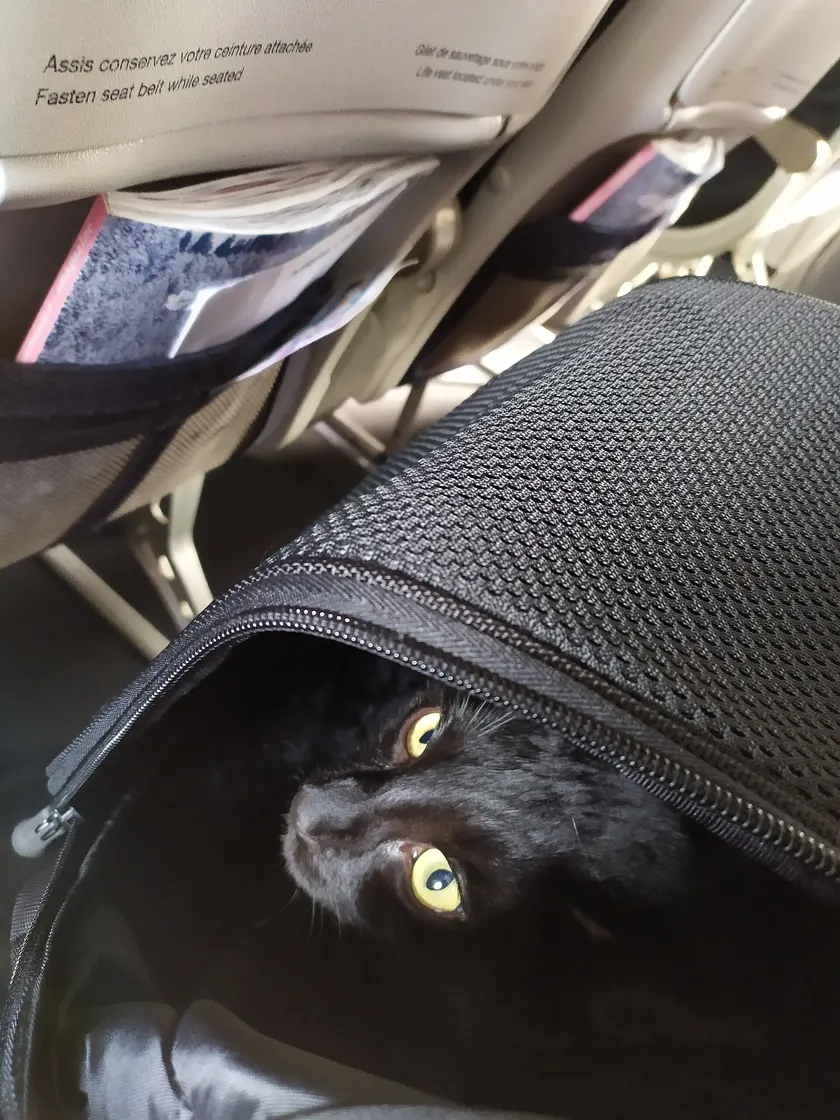
A Braintree cat rode the train to London and staff brought him home
BBC News reported that Zeus, a four-year-old cat, boarded the 20:08 from Braintree on November 10 and was kept safe at Liverpool Street until Greater Anglia staff rode back with him.
Verified · BBC News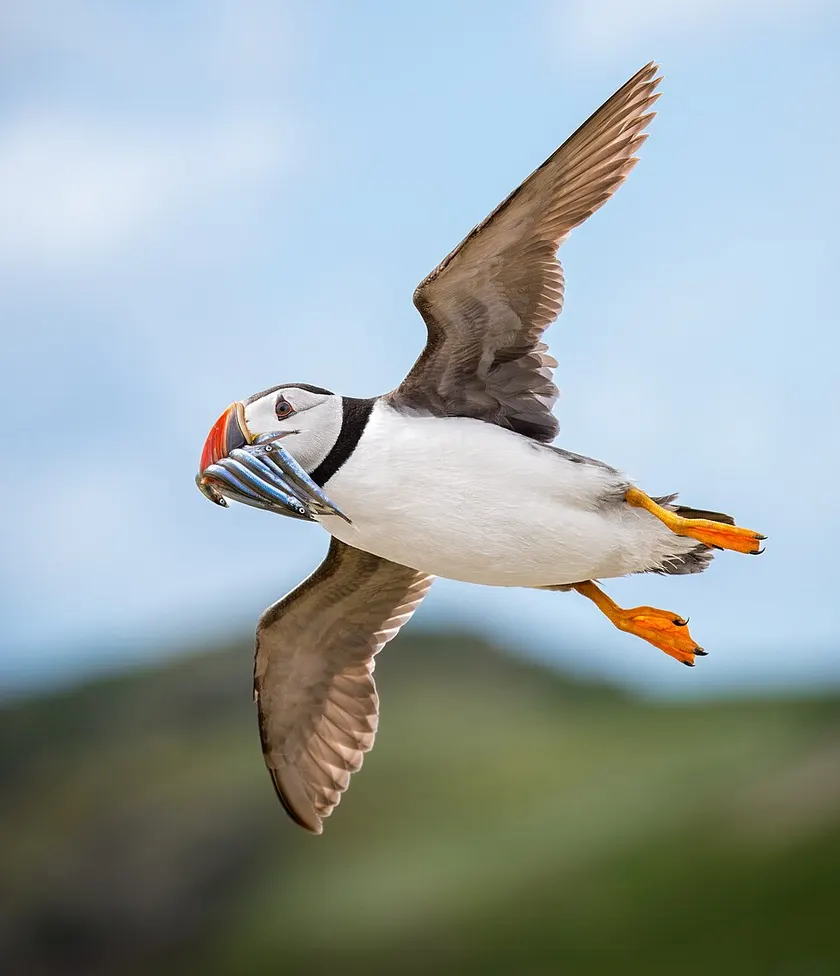 Animals
Lundy's seabirds climbed from about 6,000 to about 48,000
A Mongabay video reported that puffins, shearwaters, and other seabirds recovered after rats were removed, and that lobsters grew larger inside the island's no-take zone.
Verified · Mongabay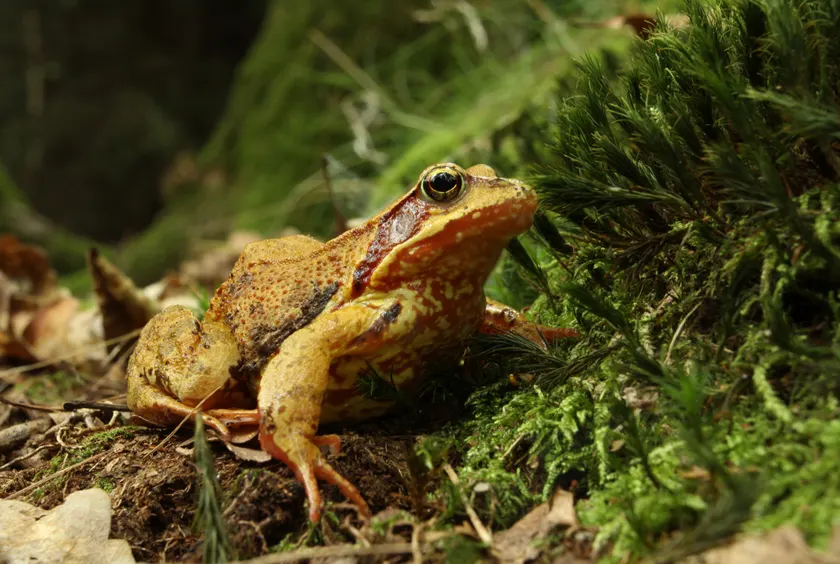 Animals
Lottery money will put new ponds on old Yorkshire pit sites
The BBC reported that Froglife won £889,761 to restore freshwater habitat in South Yorkshire and at sites in North and West Yorkshire, including 48 new ponds. The digging has not started.
Verified · BBC