Gudalur makers are turning invasive wood into an exhibition about the forest
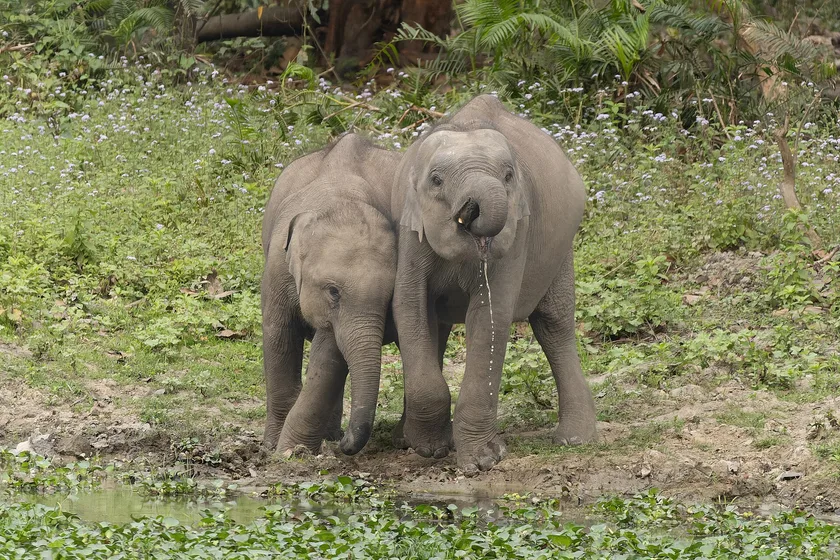
The Hindu reported that The Elephant People, a workshop of more than 50 makers in the Nilgiris, opened Into the Forest, with carvings from lantana and senna and painting sessions for children.

Read the original
The reporting lives at The Hindu. Our summary is checked against it, and we link it on every story.
A workshop in the Nilgiris is carving the plants that choke the forest into the art that explains it. The Hindu reported on November 25, 2026, that The Elephant People, a social enterprise in Gudalur, opened its first exhibition, Into the Forest. The group makes hand-carved sculptures, masks, and everyday objects from invasive plants, including Lantana camara and Senna spectabilis. More than 50 people work across carving, painting, design, production, and operations.
Rhea Antony, who leads storytelling and design, told The Hindu that sharing space with wildlife is ordinary life in Gudalur, inside the Nilgiris Biosphere Reserve. The invasive plants spread through native habitat, suppress grasses, and can push animals toward farms and houses when food thins out. The workshop clears that growth with the forest departments of Tamil Nadu, Kerala, and Karnataka, then treats the wood as material instead of waste. The show includes large sculptures, smaller carvings, and installations. For children there are painting and story-building workshops, plus play that introduces species, habitats, and the sounds animals make.
Antony said the group has spent three years gathering stories of wildlife, people, food, and older ways of living with the forest. The exhibition is one room of that work. It does not, by itself, clear the invasive plants from the reserve.
For the classroom
The Hindu reported on November 25, 2026, that an exhibition in Gudalur, in the Nilgiris of southern India, is about forests, animals, and the people who live with them. A workshop called The Elephant People carves invasive plants, including lantana, into sculptures instead of throwing the wood away. More than 50 people work on the carving, painting, and design. The show is called Into the Forest. Children can paint, build stories, and use installations that teach which animals live in which places and what they sound like. Clearing invasive plants is still the bigger job. This exhibition is one way of using the wood.
- Why can a plant that grows very fast be a problem for the animals that already live there?
- What is one material people throw away that your class could turn into art?
For a teacher to read with a class. Print the story of the day · Morning announcements · All classroom stories · This week's Good News Friday pack
Gudalur, IndiaArtKidsWildlife conservationGood news on November 25
More good news
Other stories in the same neighborhood of kindness.
 Community
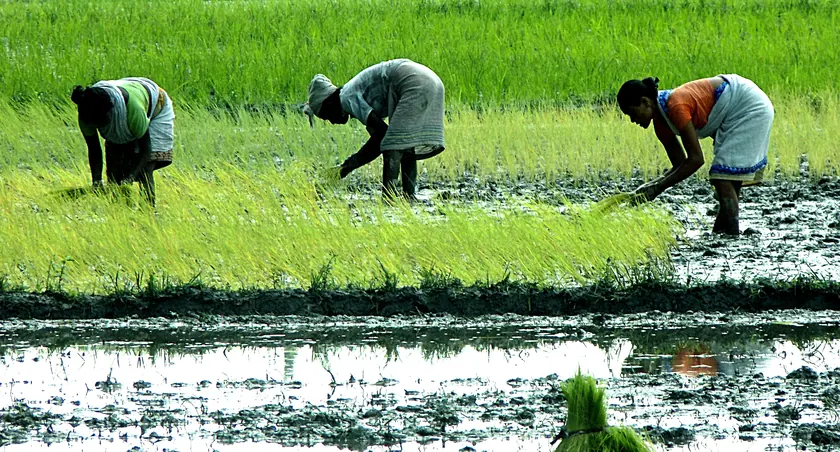
Women in Ramni are growing the herbs their meadows were losing
Mongabay reported that high-altitude farmers in Uttarakhand now raise kutki and other medicinal plants on old wasteland, instead of digging them out of alpine meadows.
Verified · Mongabay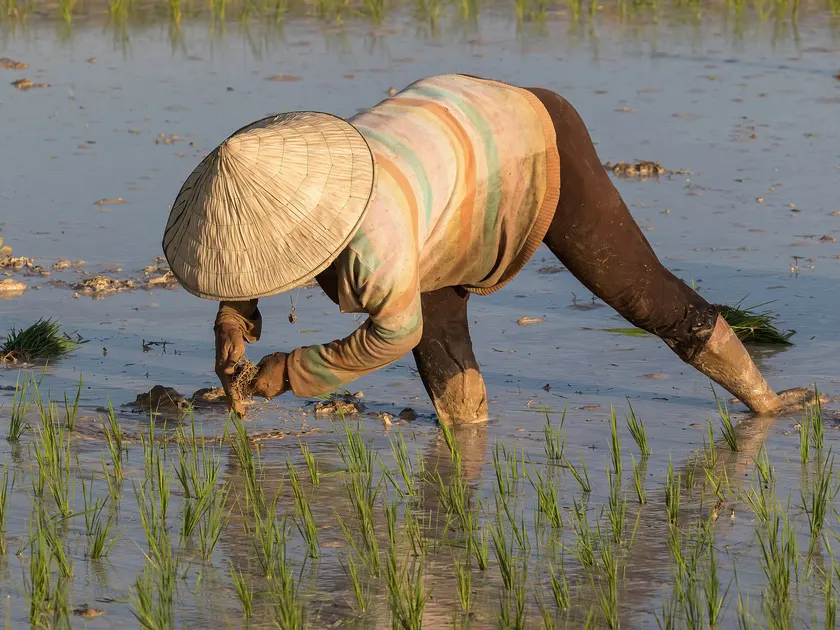 Community
Agriculture students in Perambalur grew a rice that softens in warm water
The Hindu reported that students at an agriculture college raised traditional Samba paddy on 50 acres, including two acres of Komal Saul, a variety from Assam that is soaked rather than boiled.
Verified · The Hindu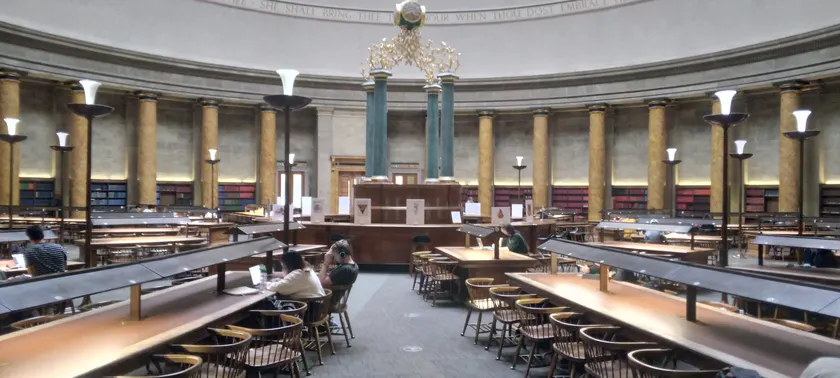 Community
Student volunteers turned a locked Bengaluru classroom into a library
Citizen Matters reported that teenagers in Shape the Future collected more than 2,000 books, without buying any, and opened them in a government school in Mullur Colony that now has 47 students.
Verified · Citizen Matters