Fifty-three cattle are opening up a Lake District reserve
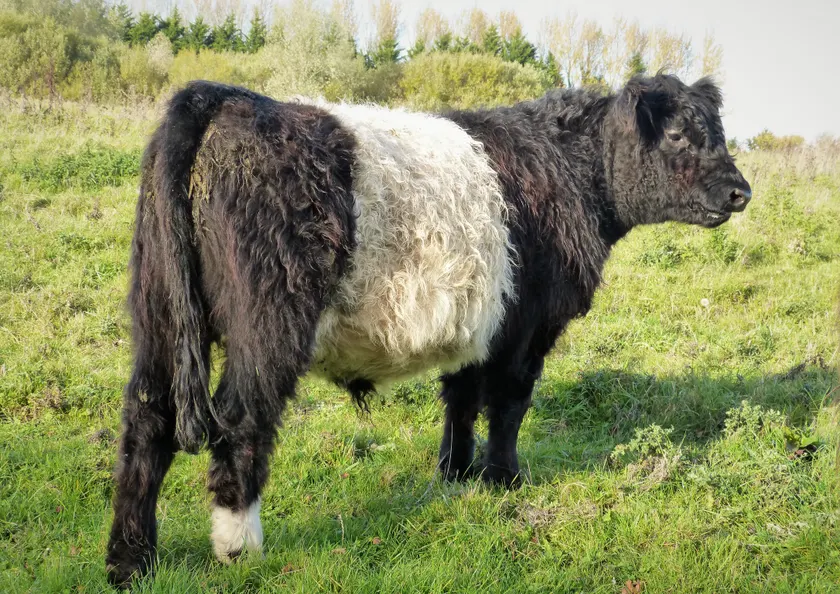
BBC Newsround reported that Belted Galloways and Luings at RSPB Wild Haweswater trample thick grass so smaller plants and young trees can grow. Six horses work the same ground.

Read the original
The reporting lives at BBC Newsround. Our summary is checked against it, and we link it on every story.
Fifty-three cattle are grazing at RSPB Wild Haweswater so that thicker plants do not take the whole hillside, BBC Newsround reported on November 19, 2026. The herd is Scottish-bred Belted Galloways and Luings. Site manager Glen Swainson said their short legs, thick double coats, and wide backs suit uneven ground and harsh weather. Their long tongues wrap around vegetation and tug it, which leaves plants at different heights. That mix, he said, helps insects, small mammals, amphibians, reptiles, and birds.
Young trees matter on the reserve because they can slow the flow of water and give animals shelter. Six horses work the same ground, trampling dominant plants and spreading wildflower seed. The report is about this herd and those horses at Wild Haweswater. It does not say the reserve has finished changing, or how many new trees have taken hold.
For the classroom
BBC Newsround reported on November 19, 2026, that 53 cattle have a job at a nature reserve in England's Lake District. They are Belted Galloways and Luings, breeds from Scotland. At RSPB Wild Haweswater they walk on thick, bossy plants so smaller flowers and young trees can get light. Site manager Glen Swainson said their short legs, thick coats, and wide backs suit rough ground and hard weather. Their tongues pull grass so the plants end up at different heights, which helps insects, small mammals, amphibians, reptiles, and birds. Six horses do similar work and spread wildflower seed. The trees can also slow water, which helps with floods and dry spells. The news is this herd at this reserve.
- How can a heavy animal help a small plant?
- What is one living thing you might notice if the grass in a field is not all the same height?
For a teacher to read with a class. Print the story of the day · Morning announcements · All classroom stories · This week's Good News Friday pack
Bampton, United KingdomWildlife conservationParksGood news on November 19
More good news
Other stories in the same neighborhood of kindness.
 Animals
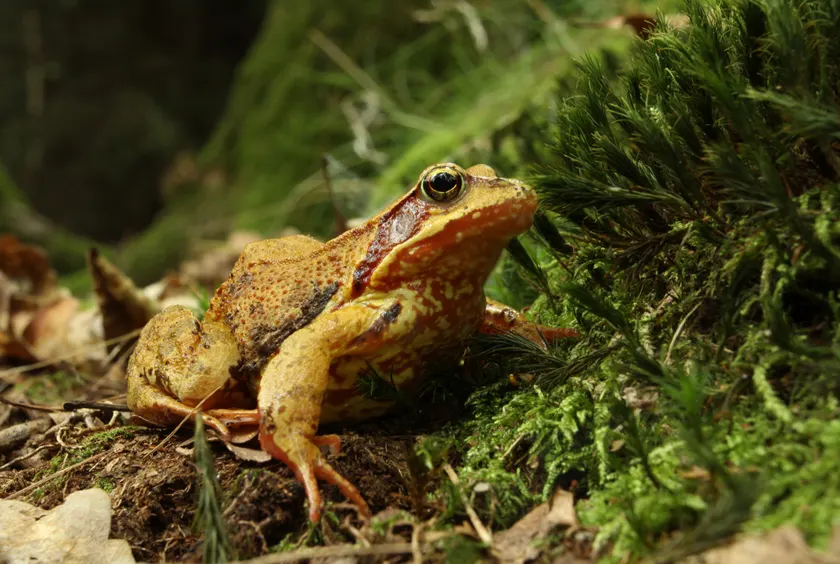
Lottery money will put new ponds on old Yorkshire pit sites
The BBC reported that Froglife won £889,761 to restore freshwater habitat in South Yorkshire and at sites in North and West Yorkshire, including 48 new ponds. The digging has not started.
Verified · BBC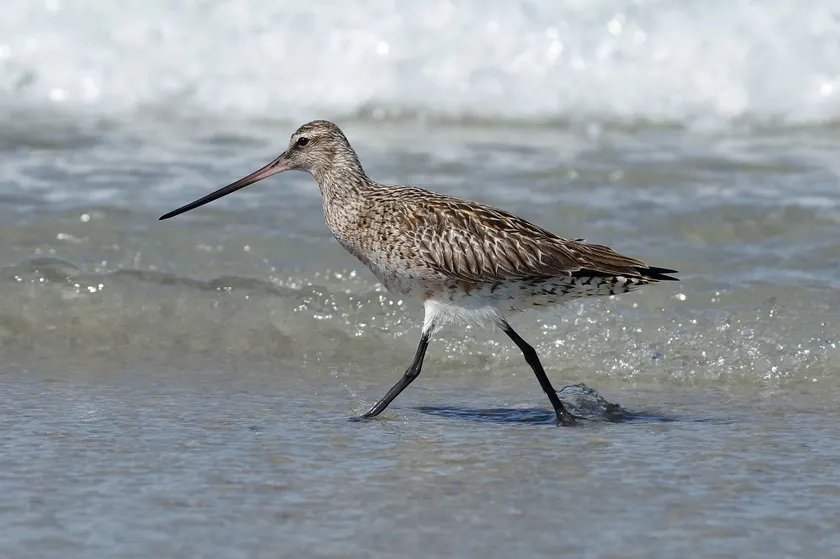 Animals
A godwit named Phil flew from Norfolk to Siberia and came home
The Guardian reported that a 6-gram tracker followed one bar-tailed godwit from the Wash to the Taymyr Peninsula and back, a round trip of about 6,800 miles.
Verified · The Guardian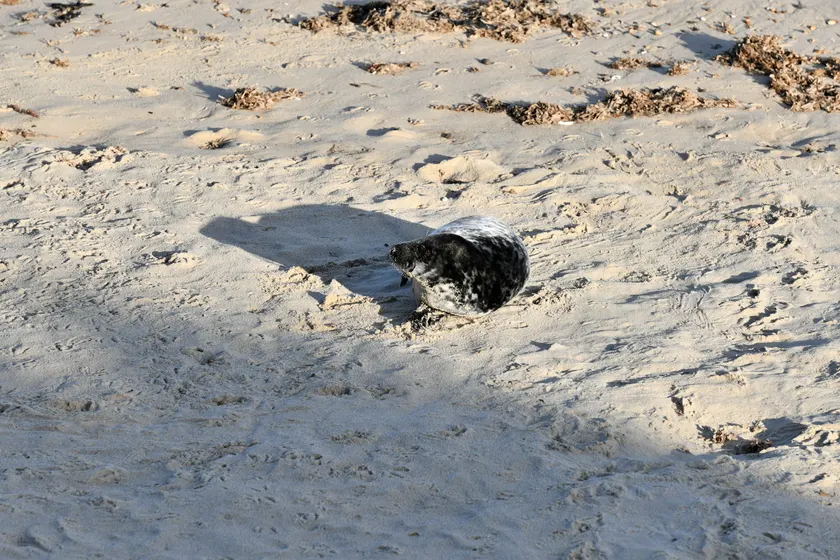 Animals
A grey seal named Monsoon is back in the sea off Norfolk
The BBC reported that Friends of Horsey Seals finally caught Monsoon at Waxham on October 7, after a flying ring had cut into her neck. RSPCA East Winch removed it, and she was released about a month later.
Verified · BBC