Students in Iquitos helped send 3,000 taricayas back to the river
Maynas province's eighth restocking festival ended at San José de Lupuna on November 3. Six students also handed over pet turtles they had kept. The project recorded one albino hatchling among about 10,000 eggs handled over four years.

Read the original
The reporting lives at ProyContra. Our summary is checked against it, and we link it on every story.
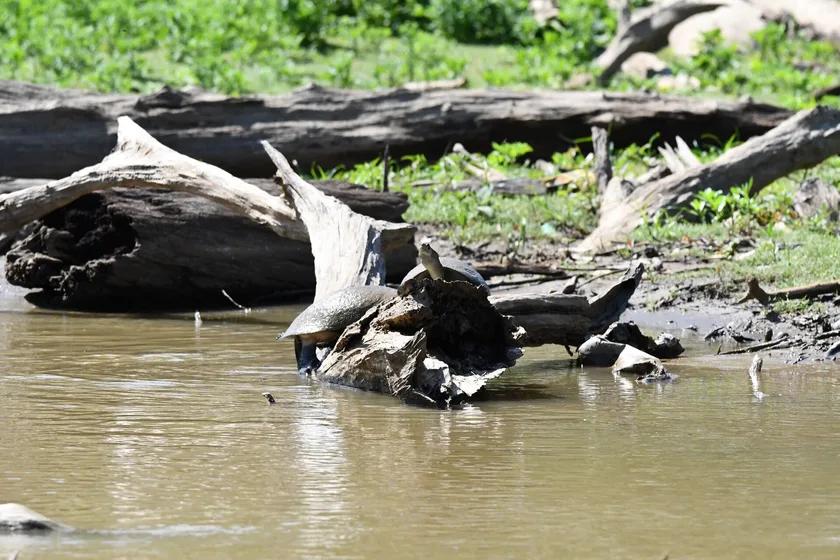
ProyContra reported on November 4, 2026, that Maynas province released 3,000 taricayas, yellow-spotted river turtles, on November 3 at Tipishca beach in the community of San José de Lupuna. The release was the center of the eighth Festival de Repoblamiento de Taricayas, run by the provincial municipality.
The day began at 8 a.m. at the Colegio Nacional de Iquitos, with students, teachers, and officials opening nests on a semi-natural beach at the school. It moved to Plaza Francisco Bolognesi for a presentation of the animals and awards for schools in a contest about taricaya egg consumption. It ended at San José de Lupuna, where residents, tourism operators, students, and partner groups put the turtles in the water.
Six students handed over pet taricayas about four years old: five from Colegio Nuestra Señora de la Salud and one from Colegio Sagrado Corazón. The paper said the students had kept the turtles as pets and chose to return them after environmental lessons at school. The festival also recorded one albino hatchling, the first in four years of the project and among about 10,000 eggs handled in that time. Partners named in the report include Grupo AJE, SERNANP, and the management groups ECOMATSA, ORMARENA Los Yanapumas, and ORMARENA Los Otorongos. The municipality has run the festival since 2019. The news is this release, the six returned pets, and that one albino hatchling. It is not a count of turtles already living in the river.
For the classroom
A news report from Iquitos said that on November 3, 2026, people released 3,000 taricayas, a kind of river turtle, at a beach in the community of San José de Lupuna. The day started at a school in Iquitos, where students opened nests on a practice beach. Six students also brought turtles they had kept as pets, about four years old, and added them to the release. Five came from one school and one from another. The project also recorded one albino baby turtle, the first in about four years of work and among about 10,000 eggs handled in that time. An albino animal is born with much less color than usual.
- Why might students decide to give up a pet turtle so it can live in a river?
- What is one thing a school could do to help a local animal without keeping it as a pet?
For a teacher to read with a class. Print the story of the day · Morning announcements · All classroom stories · This week's Good News Friday pack
Iquitos, PeruWildlife conservationStudentsKidsGood news on November 4
More good news
Other stories in the same neighborhood of kindness.
 Animals
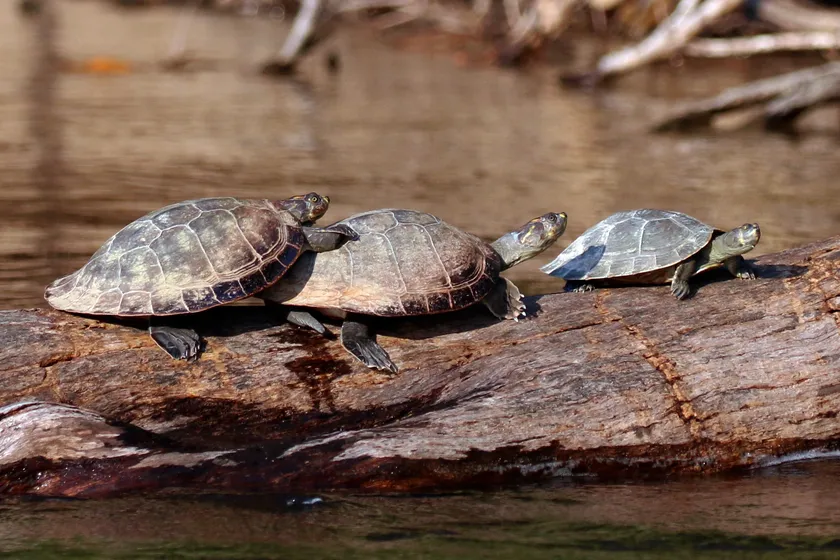
More than 14,000 Amazon turtles went back into the rivers
Sernanp and CIMA-Cordillera Azul put 14,645 taricayas, charapas, and teparos back into Amazon waters, including 6,640 on October 16.
Verified · Peru21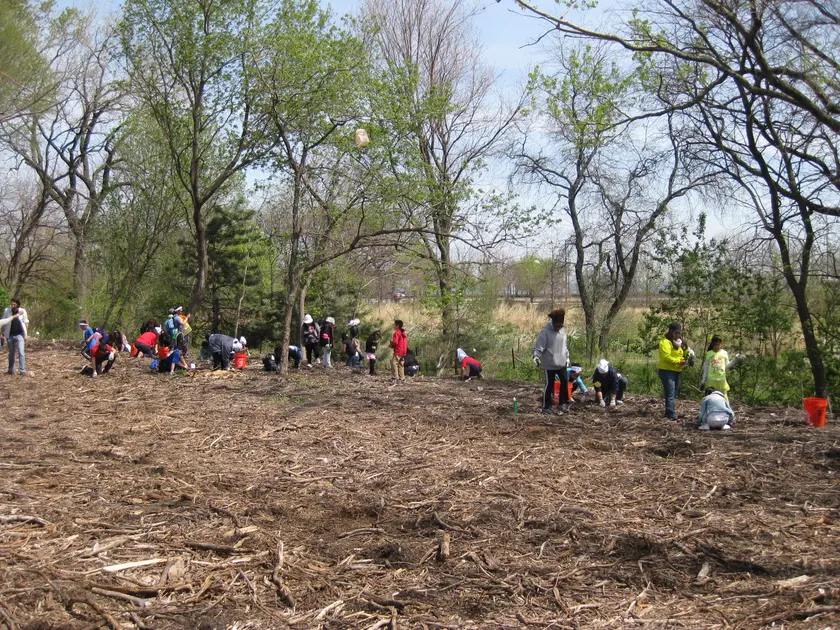 Community
Cash with no strings attached helped three Asháninka communities tend the forest
A two-year Cool Earth pilot gave 211 people six payments and saw food insecurity fall sharply. Researchers did not measure the trees themselves, and they say the trial is too small to settle the question.
Verified · The Guardian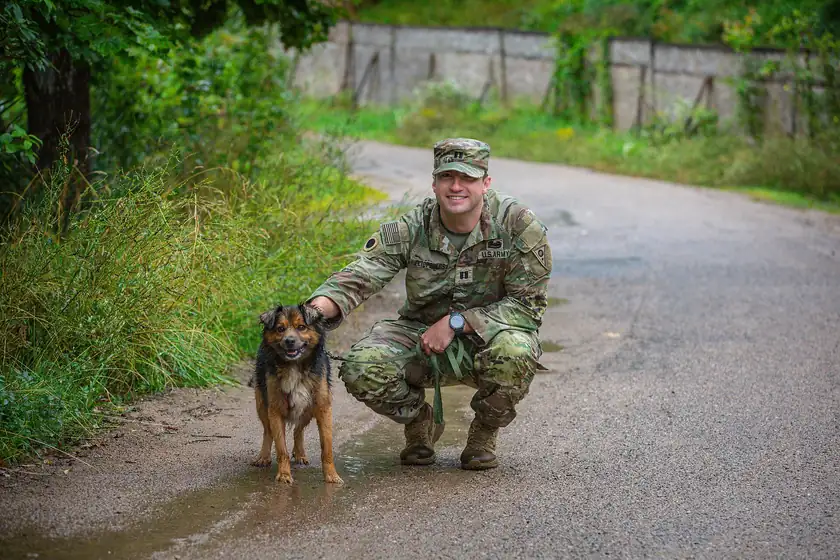 Animals
A high school club visited the humane society with donations
Lowndes High's Friends 'Fur' Life club brought treats, food, and toys to the Humane Society of Valdosta and Lowndes County and spent time walking dogs that are waiting for homes.
Verified · WCTV