Chinook salmon returned to 88% of their old Klamath habitat after the dams came down
After four Klamath River dams were removed in 2024, sonar counts recorded 7,742 Chinook passing the former dam sites that fall and more than 13,000 in 2025. The fish spread through 214 miles blocked for about a century.

Read the original
The reporting lives at Mongabay. Our summary is checked against it, and we link it on every story.
Chinook salmon moved back into most of the Klamath River habitat that four dams had blocked for about a century. Mongabay reported on Oct. 12 that after the dams came out in 2024, sonar near the former Iron Gate Dam site counted 7,742 Chinook passing that fall and more than 13,000 in 2025. The fish reached 214 miles of river and about 88 percent of their known historical habitat.
The study's lead author, Damon Goodman, said the speed surprised the researchers. He also said a return to historical numbers still depends on fish reproducing across generations, and on habitat, water quality, and passage elsewhere in the basin. The counts show recolonization. They are not a finished recovery.
More good news
Other stories in the same neighborhood of kindness.
 Science
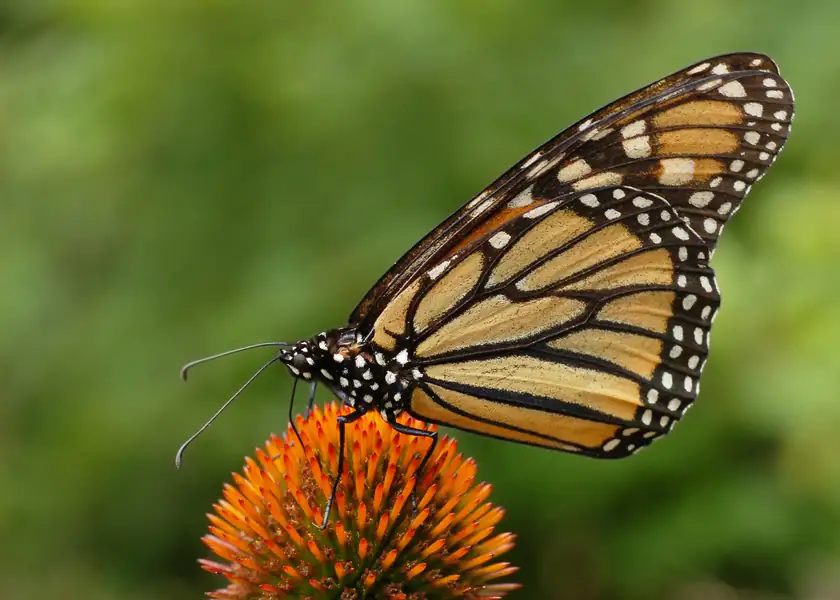
Researchers released Oregon monarchs wearing solar-powered tags
At Blue Heron Park in Phoenix, Oregon, a crowd watched 22 tagged butterflies lift off on a migration people can follow by phone.
Verified · Jefferson Public Radio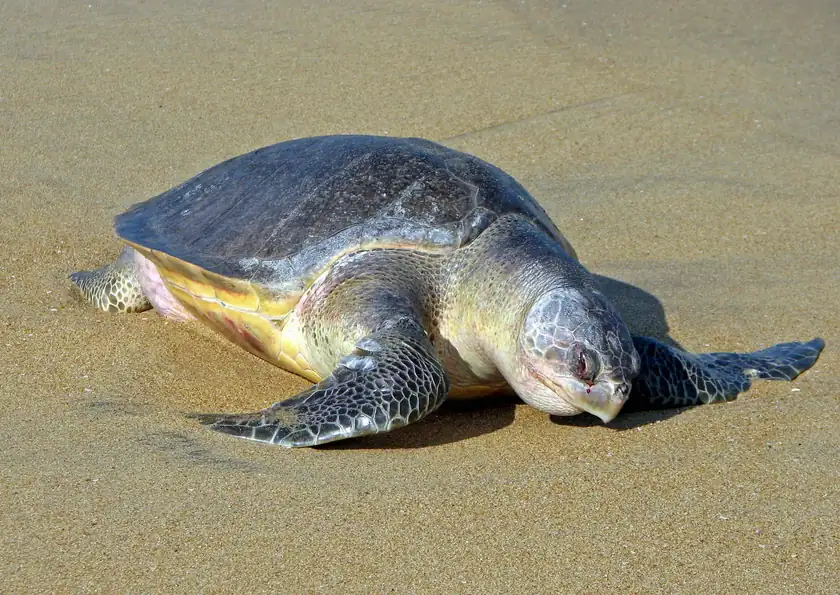 Science
Biologists moved 204 olive ridley eggs off Orange County beaches
The first known natural sea turtle nests on the U.S. West Coast were shifted to the Aquarium of the Pacific before storm surf could wash them out.
Verified · Los Angeles Times Animals
Kimber the golden retriever is one of Salem Hospital's most popular volunteers
Kimber, 11, and her owner Eric Schuman, a 78-year-old retired physician associate, have spent about five years as a pet-therapy team comforting patients, often starting shifts in the ER.
Verified · Salem Reporter