Biologists moved 204 olive ridley eggs off Orange County beaches
The first known natural sea turtle nests on the U.S. West Coast were shifted to the Aquarium of the Pacific before storm surf could wash them out.

Read the original
The reporting lives at Los Angeles Times. Our summary is checked against it, and we link it on every story.
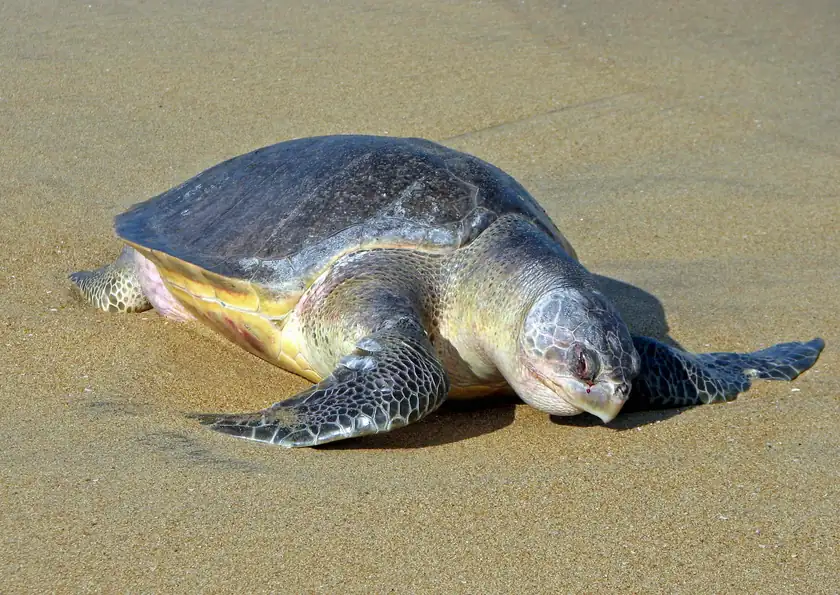
Biologists carried 204 olive ridley eggs off beaches in Seal Beach and Huntington Beach and drove them to the Aquarium of the Pacific in Long Beach. The Los Angeles Times reported on September 25, 2026, that the nests, found September 16 and September 19, are the first known naturally occurring sea turtle nests on the U.S. West Coast. Forecast surf from storms off Mexico, plus high tides, was expected to wash them away.
Teams from NOAA and the U.S. Fish and Wildlife Service packed the eggs in sand-filled coolers and set them in a quiet recovery room for a 45- to 60-day incubation. It is not yet known whether any eggs are viable, and they will be left undisturbed. If hatchlings do emerge, the aquarium plans to release them quickly so they still have the energy for the swim offshore.
For the classroom
Biologists moved 204 olive ridley sea turtle eggs off beaches in Seal Beach and Huntington Beach, California. The nests, found in September, are the first known natural sea turtle nests on the U.S. West Coast. Storm surf and high tides were expected to wash them away. Teams packed the eggs in sand-filled coolers and drove them to an aquarium in Long Beach. They will sit in a quiet room for about 45 to 60 days. Nobody knows yet whether the eggs will hatch. If hatchlings do come out, the plan is to release them quickly so they still have energy to swim.
- Why move eggs instead of leaving them on the beach?
- What could go wrong even after the eggs are safe in the aquarium?
- Why might a turtle nest on a beach where nests had not been recorded before?
For a teacher to read with a class. Print the story of the day · Morning announcements · All classroom stories
Science in CaliforniaHuntington Beach, CaliforniaSea turtlesWildlife conservationGood news on September 25
More good news
Other stories in the same neighborhood of kindness.
 Science
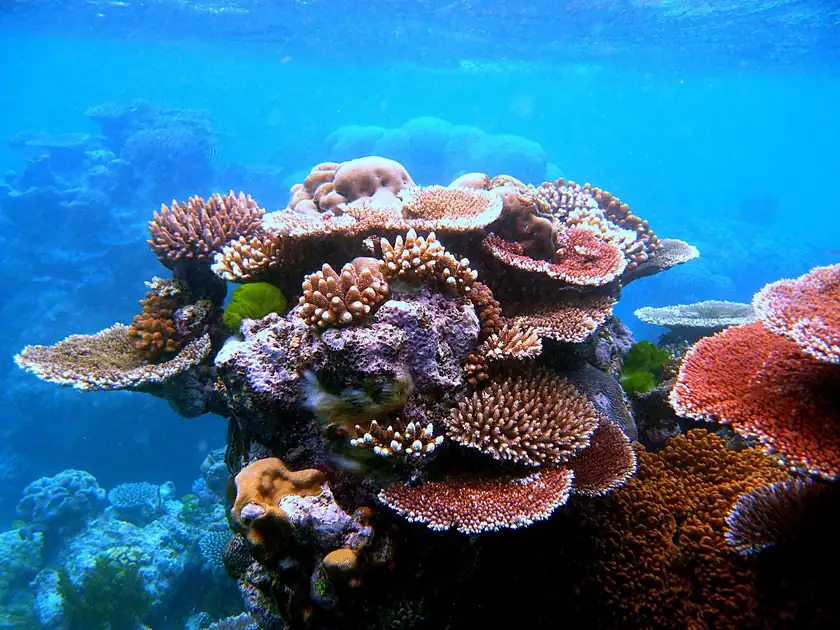
Stanford scientists brought bleached corals back to full health in seven weeks
In lab tanks at Hopkins Marine Station, bleached coral fragments that briefly touched healthy clones took in algae within three days and fully recovered in seven weeks. Fragments without that contact died.
Verified · Stanford Doerr School of Sustainability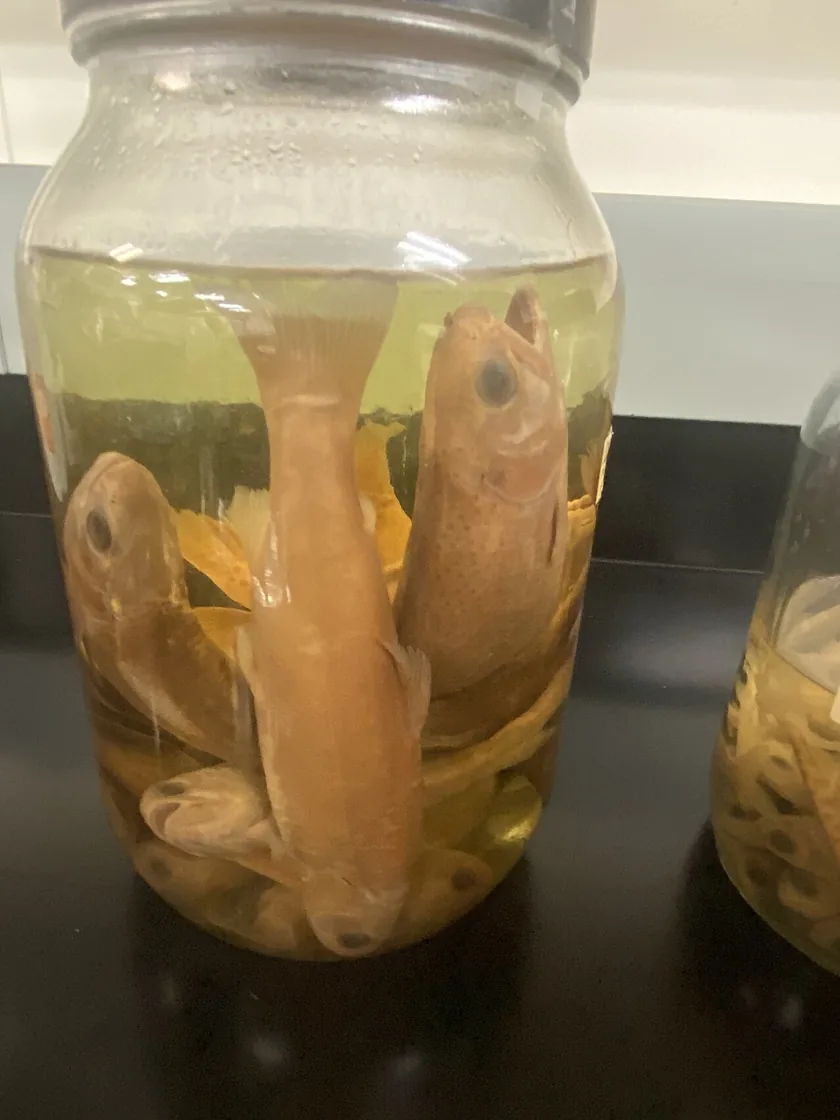 Science
Chinook salmon returned to 88% of their old Klamath habitat after the dams came down
After four Klamath River dams were removed in 2024, sonar counts recorded 7,742 Chinook passing the former dam sites that fall and more than 13,000 in 2025. The fish spread through 214 miles blocked for about a century.
Verified · Mongabay Science
A passenger rode a pilotless air taxi on a short flight in Kai
Euronews reported a 380-metre demonstration on November 20 at an academy runway in Yamanashi. A later uncrewed lap covered about 1,800 metres. Commercial service is not approved.
Verified · Euronews