Kochi students read braille with Japan's emperor and empress
At the Otepia talking-book library, students who are visually impaired showed braille research books, and paper makers and artists followed.

Read the original
The reporting lives at The Japan Times. Our summary is checked against it, and we link it on every story.
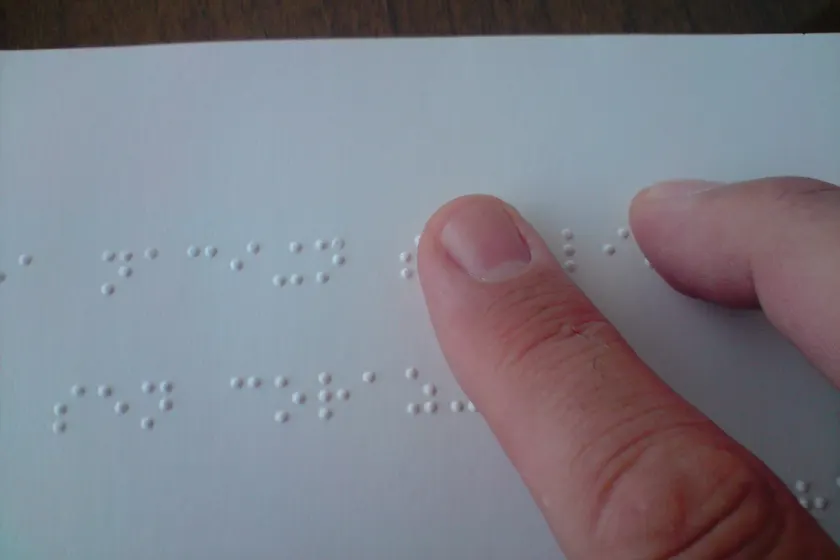
Students in Kochi spent Monday showing how a library works when print is not the way in. The Japan Times, citing Jiji, reported on October 27, 2026, that Emperor Naruhito and Empress Masako visited the Otepia Kochi Talking Book and Braille Library. Junior high and high school students from the prefectural school for the visually impaired were researching with braille books. Braille translation volunteers were with them. The emperor asked what the students wanted to read, and they ran their hands over the braille together.
In the afternoon the couple went to the Ino-cho Paper Museum in Ino, where tosa washi craftspeople were at work. The emperor asked whether making paper in winter is cold and hard. They also looked at an international print exhibition. At the prefectural art museum they saw work by artists with disabilities. Empress Masako told them, "Your work is so colorful, vibrant and wonderful." The couple returned to Tokyo that night, at the end of a two-day trip. The visit does not change how many braille titles the library can lend. It put students, translators, and makers in the same afternoon.
For the classroom
The Japan Times reported on October 27, 2026, that Emperor Naruhito and Empress Masako visited a braille library in Kochi. Students from a school for the visually impaired showed them braille books they were using for research. Volunteers who translate books into braille were there too. The emperor asked which books the students hoped to read, and the group felt the raised dots together. Later the couple met people who make traditional tosa washi paper and saw colorful art made by people with disabilities. Empress Masako told the artists their work was colorful, vibrant, and wonderful.
- How is reading braille different from reading print, and what did the students get to show their guests?
- Why does a library need volunteers who turn ordinary books into braille or audio?
- What is one way a class could make a story easier for a classmate who cannot use small print?
For a teacher to read with a class. Print the story of the day · All classroom stories
More good news
Other stories in the same neighborhood of kindness.
 Community
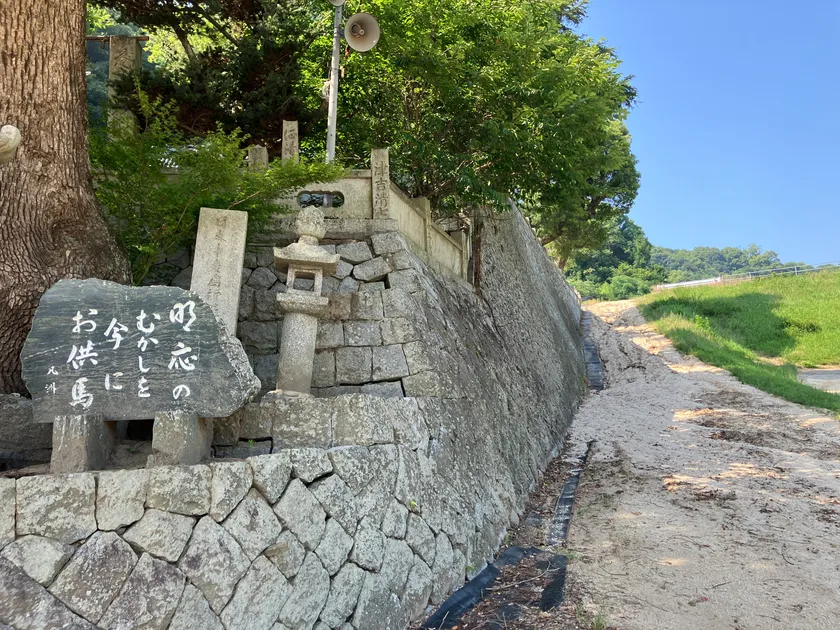
Twelve children galloped up to Imabari's Kamo Shrine
At the Kikuma festival, riders 15 and under raced decorated horses along a 300-metre shrine approach, a prefectural tradition with a history counted in centuries.
Verified · Ehime Shimbun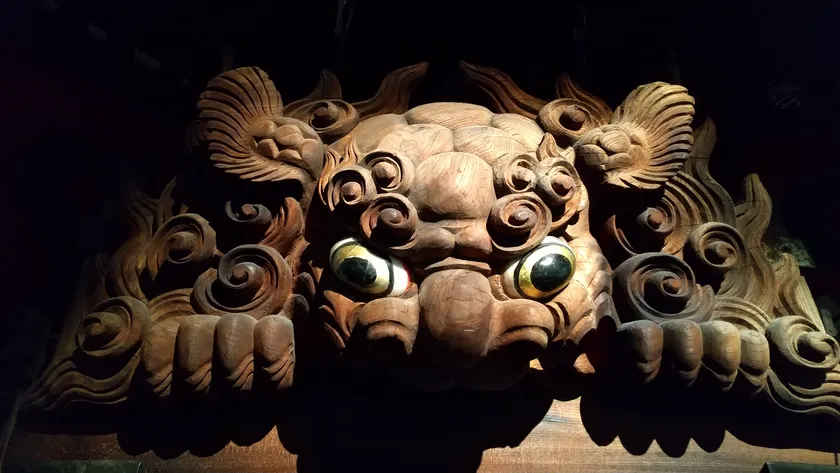 Community
Ofunato put a shrine on a fishing boat for the first time in 16 years
Niiyama Shrine's autumn festival, paused since the 2011 tsunami, sent a mikoshi around Okirai Bay. Neighbors answered with dances they had practiced for months.
Verified · NHK World Science
Japan sent a probe toward the moons of Mars from Tanegashima
JAXA's MMX spacecraft lifted off on an H3 rocket and separated onto a path toward Mars. The samples are not home yet.
Verified · The Japan Times