Japan sent a probe toward the moons of Mars from Tanegashima
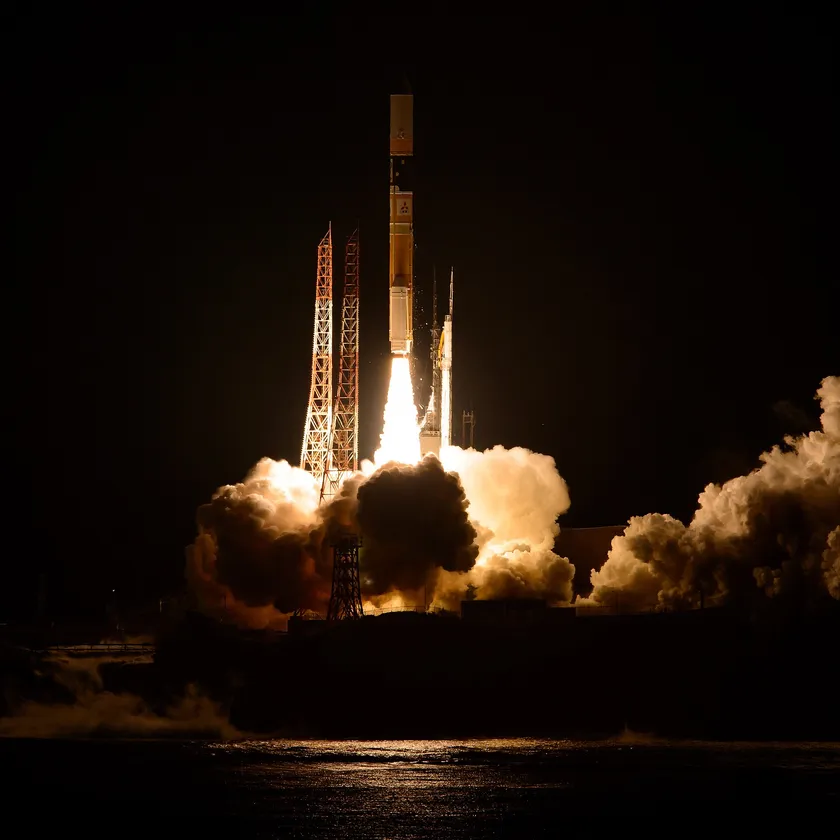
JAXA's MMX spacecraft lifted off on an H3 rocket and separated onto a path toward Mars. The samples are not home yet.

Read the original
The reporting lives at The Japan Times. Our summary is checked against it, and we link it on every story.
Japan launched a spacecraft toward the moons of Mars before dawn on October 20, 2026. The Japan Times reported that an H3 rocket, on its tenth flight, lifted off from Tanegashima Space Center at 4:41 a.m. Japan time. People watched from the town of Minamitane. About 71 minutes later the MMX probe had separated and was on a trajectory toward Mars. The paper said it was in orbit toward Mars at 5:52 a.m.
MMX, short for Martian Moons eXploration, was developed by JAXA with Mitsubishi Electric. The Japan Times put the mission cost at about 55.3 billion yen. It is the first H3 flight sent beyond Earth orbit. The probe is expected near Mars in August 2027. The plan calls for two landing attempts on Phobos in 2029, to collect at least 10 grams of material from at least 2 centimetres down. A small rover, Idefix, built by CNES and the German space agency DLR, is aboard. A sample capsule is planned to land in Australia in July 2031.
The samples are not back. The launch does not answer whether Phobos is a captured asteroid or a piece of Mars. It puts a spacecraft on the way to go and look.
For the classroom
Before dawn on October 20, 2026, Japan launched a spacecraft from Tanegashima Space Center. The H3 rocket's tenth flight was its first trip beyond Earth orbit. The probe is called MMX, and it is headed for the moons of Mars. The Japan Times said it separated about 71 minutes after the 4:41 a.m. liftoff. People watched from the town of Minamitane. A small rover named Idefix, built in France and Germany, is aboard. The plan is to arrive near Mars in August 2027, try to land on the moon Phobos in 2029, and bring a sample to Australia in July 2031. The samples are not back yet.
- Why would scientists want a piece of a moon instead of only pictures of it?
- What is one thing a spacecraft has to do after it leaves the rocket?
- Where is Tanegashima, and why might a launch site be on an island?
For a teacher to read with a class. Print the story of the day · All classroom stories
More good news
Other stories in the same neighborhood of kindness.
 Community
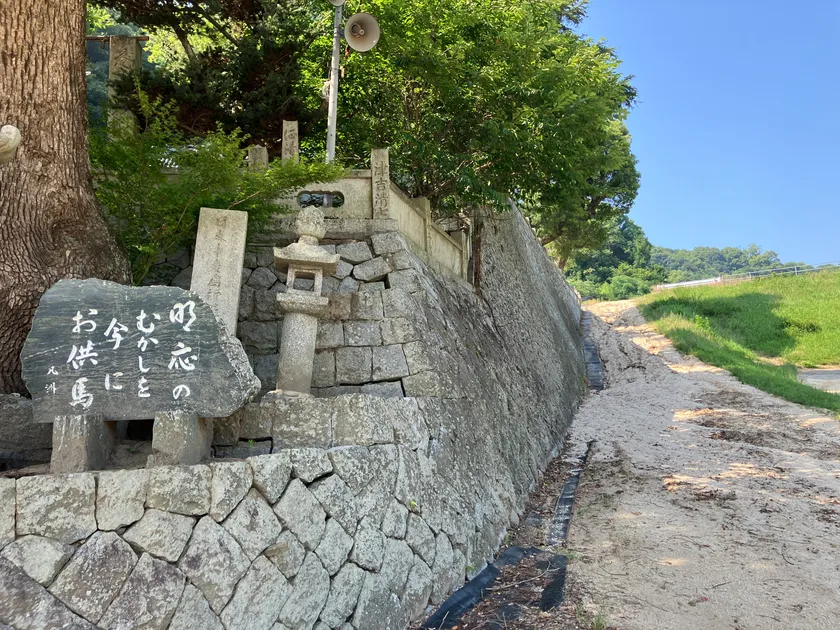
Twelve children galloped up to Imabari's Kamo Shrine
At the Kikuma festival, riders 15 and under raced decorated horses along a 300-metre shrine approach, a prefectural tradition with a history counted in centuries.
Verified · Ehime Shimbun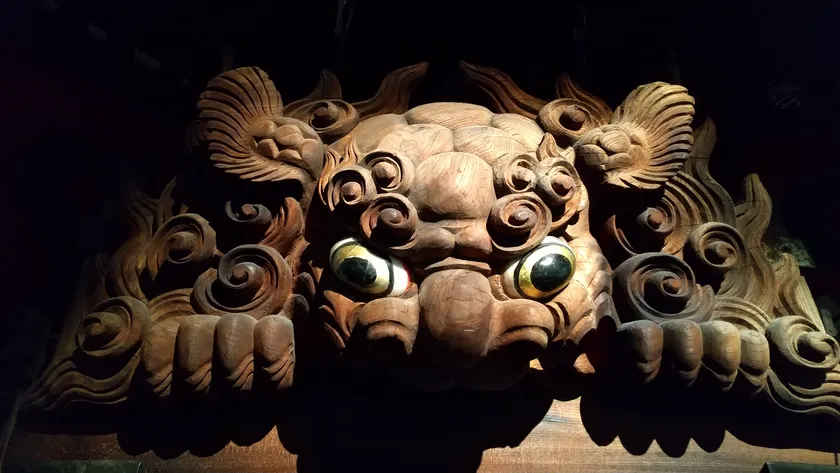 Community
Ofunato put a shrine on a fishing boat for the first time in 16 years
Niiyama Shrine's autumn festival, paused since the 2011 tsunami, sent a mikoshi around Okirai Bay. Neighbors answered with dances they had practiced for months.
Verified · NHK World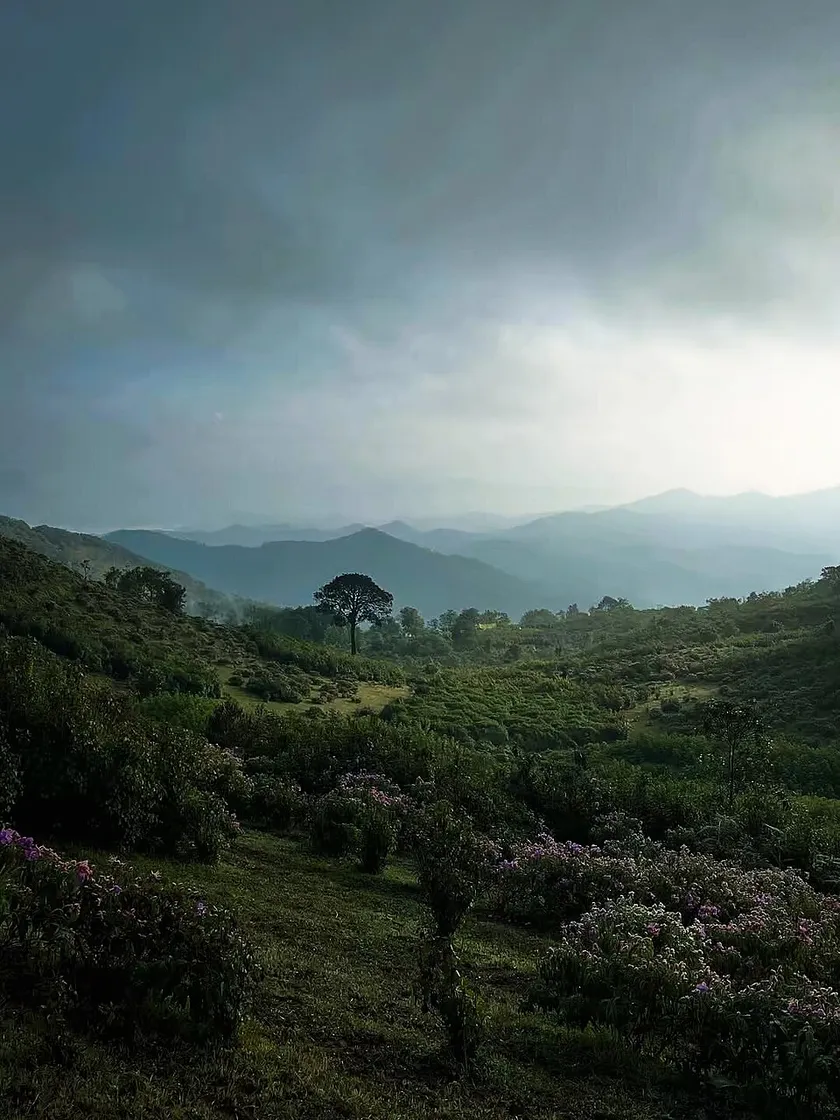 Science
Upper Teesdale's rare alpine plants get three years of seed funding
A local trust received £65,000 to collect seed from arctic-alpine plants and put it back on the fells with volunteers.
Verified · BBC