A flying frog from Sulawesi's Mekongga Mountains has a name
Phys.org reported a Zootaxa paper on Rhacophorus kurniatiae, found on surveys from 2009 to 2013. The frogs lay eggs in a jelly mass, not the foam nests their relatives use.

Read the original
The reporting lives at Phys.org. Our summary is checked against it, and we link it on every story.
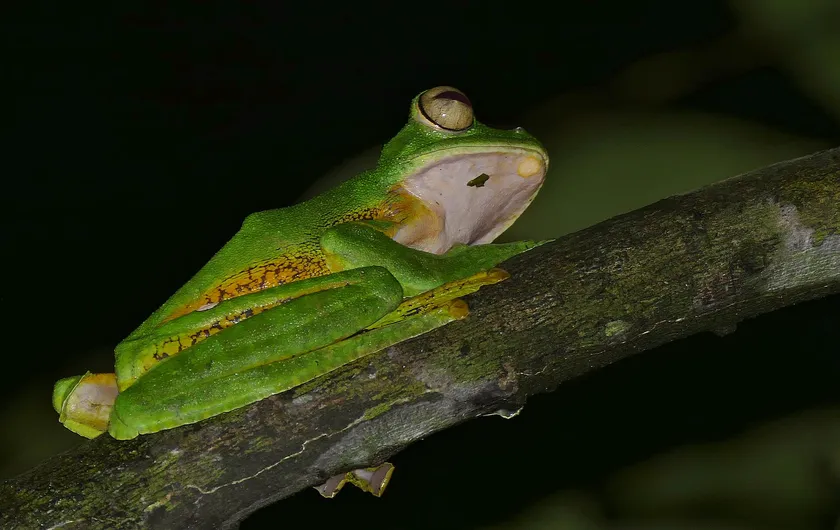
A frog from the Mekongga Mountains of Sulawesi now has a scientific name, Phys.org reported on November 17, 2026. Rhacophorus kurniatiae was described in Zootaxa by researchers at Indonesia's Museum Zoologicum Bogoriense, the University of California, Davis, and other partners. The animals were found on biodiversity surveys from 2009 to 2013, not on a trip this month. At about 1,860 metres, near a seasonal lake the team called Danau Coca-Cola, they found thousands of bright green frogs small enough to sit on a cheek.
Flying frogs in this group use wide, webbed feet to glide between trees. This one differs in snout shape, call, DNA, and the way it breeds. Alamsyah Elang Nusa Herlambang said it is the first Rhacophorus they have seen lay eggs in a gelatinous mass on plants above or near water, with the eggs and tadpoles developing in that gel. Relatives build foam nests. Lead author Wahyu Trilaksono collected the frogs. The name honors Hellen Kurniati, a longtime herpetologist at the Bogor museum who died after years of work on Indonesia's amphibians and reptiles.
Andrew Engilis said the Mekongga work, including this frog and other new species from the same expeditions, is part of why the region is under consideration to become a national park. That is a discussion he described, not a park that has been gazetted. The news is the published description.
For the classroom
Phys.org reported on November 17, 2026, that scientists named a frog from the Mekongga Mountains on Sulawesi, in Indonesia. Its big webbed feet help it glide between trees, so it is called a flying frog. The animals were found on surveys from 2009 to 2013, by a mountain lake about 1,860 metres up. The naming paper came out this year. The frog is bright green and small. It lays eggs in jelly on plants near water, while related frogs use a foam nest. It is named for Hellen Kurniati, who studied Indonesia's frogs and reptiles. A national park for the mountains is only being discussed.
- What do the frog's webbed feet let it do between trees?
- Why can a species be found years before it gets a scientific name?
For a teacher to read with a class. Print the story of the day · Morning announcements · All classroom stories · This week's Good News Friday pack
Kolaka, IndonesiaWildlife conservationSTEMGood news on November 17
More good news
Other stories in the same neighborhood of kindness.
 Science
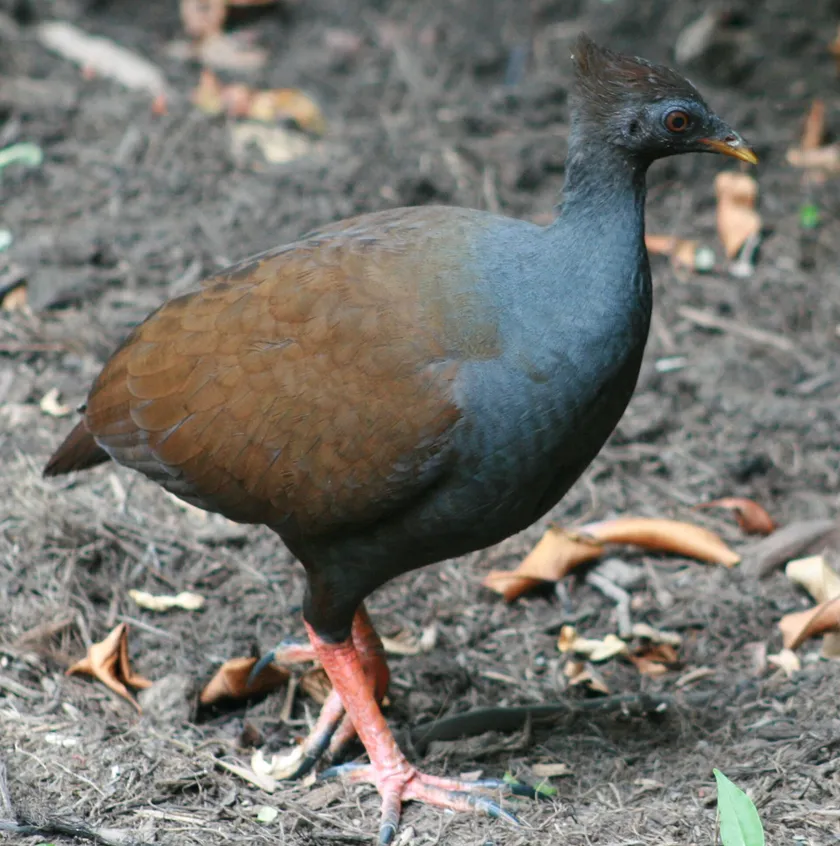
A cave on Flores held a giant megapode named for an Indonesian scientist
Mongabay reported that a foot bone from Liang Bua is the first fossil megapode named from Indonesia, and the first named for an Indonesian scientist.
Verified · Mongabay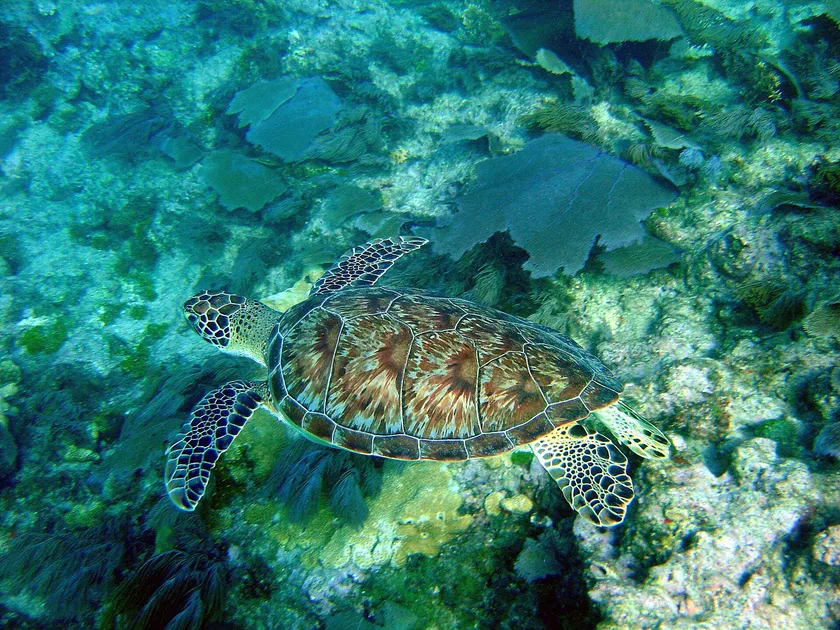 Animals
Karimunjawa sent 80 hawksbill turtles back into the Java Sea
Central Java's government said the turtles, from two months old to about a year and a half, left Tanjung Gelam beach on November 21 after time in a semi-natural hatchery.
Verified · Central Java provincial government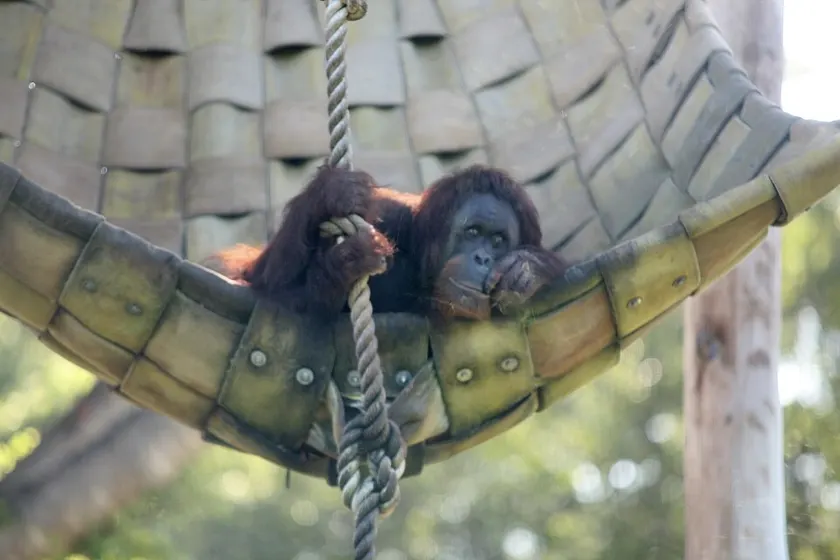 Animals
Five rehabilitated Sumatran orangutans are back in the forest
ANTARA reported that five males, rescued as youngsters across Sumatra, passed health checks and were released in Bukit Tigapuluh National Park.
Verified · ANTARA