TodayHealth & TechUnited Kingdom
In a small London study, a blood-pressure drug still helped after patients stopped
Fourteen people with a hormonal cause of hypertension took baxdrostat for six to 12 months. Up to two years later, blood pressure was still lower. A larger trial is under way.

Read the original
The reporting lives at The Guardian. Our summary is checked against it, and we link it on every story.
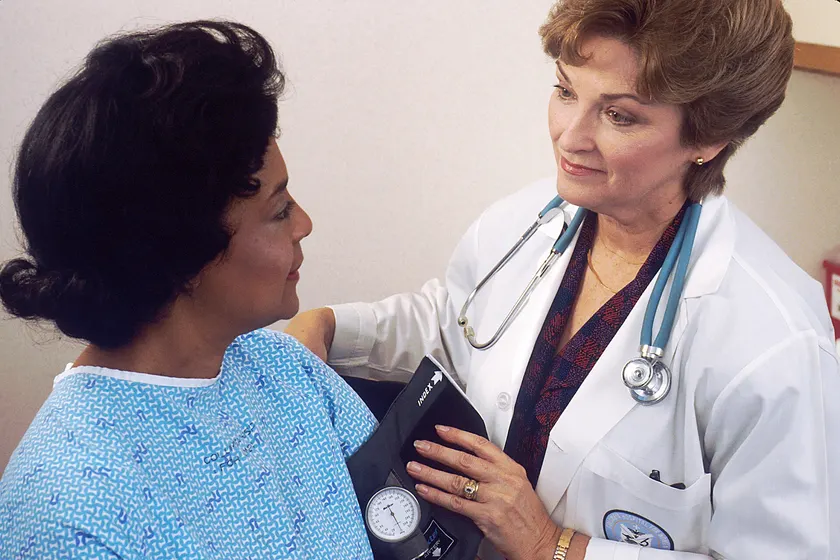
A small follow-up of 14 patients found that a drug called baxdrostat lowered blood pressure in a hormonal form of hypertension, and that the benefit was still there up to two years after the pills stopped. The Guardian reported on November 8, 2026, that the work was led by Morris Brown, a hypertension specialist at Queen Mary University of London, and published in the New England Journal of Medicine. The patients had improved during a three-month trial, kept taking a daily dose for six to 12 months, and then stopped. When doctors checked later, blood pressure was still lower. Brown said just under a quarter had come off all treatment and had normal readings.
The condition is primary aldosteronism, in which small nodules on the adrenal glands make too much of a hormone that tells the kidneys to hold salt. It accounts for about 5 to 10 percent of high blood pressure. Surgery to remove a gland is the usual treatment and does not always finish the job. Baxdrostat blocks the enzyme that makes the hormone. It was approved in the United States earlier this year for hypertension that other drugs do not control, and the National Institute for Health and Care Excellence is considering it for the NHS. Mason Freeman of Harvard, who worked on the study, said it is too early to call anyone cured and that a larger trial is under way to test whether the effect lasts. The news is these 14 patients. It is not a cure, and survival was not the measure.
London, United KingdomMedical researchPublic healthGood news on November 11
More good news
Other stories in the same neighborhood of kindness.
 Health & Tech
Glasgow's children's hospital now has a robot used only for young patients
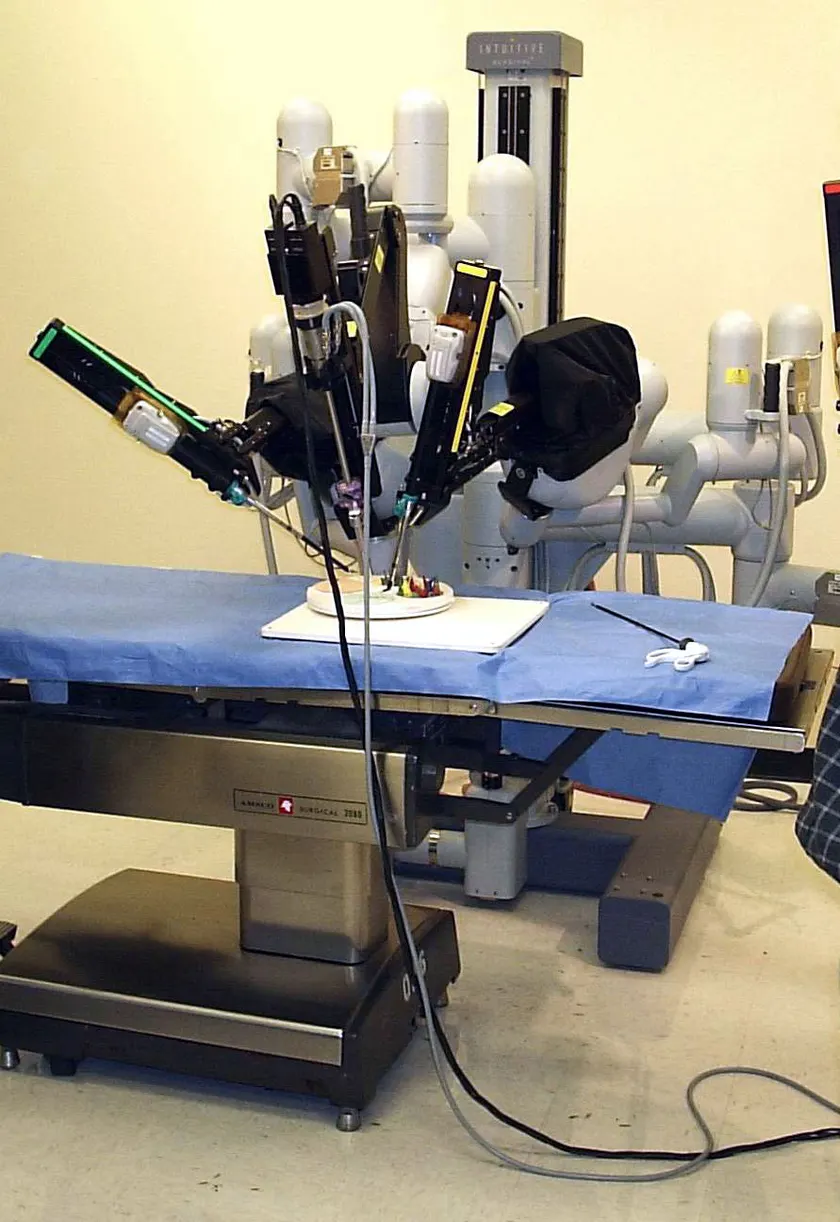
The Royal Hospital for Children bought a Versius Plus after a £1.5 million gift. Surgeons already used it for more than 30 operations in a trial. The hospital says it is the first children's hospital to own this system outright.
Verified · BBC News Health & Tech
The first child treated with this gene therapy is 26 and still using it as proof
Rhys Evans was born without a working immune system and was the first patient in a Great Ormond Street trial in 2001. He is 26. The doctor who treated him says more than 130 people have had the therapy since.
Verified · BBC News Health & Tech
A personalised melanoma vaccine cut the risk of cancer returning in a large trial
In 1,137 adults, Intismeran plus immunotherapy lowered the chance of death or melanoma returning by 42 percent at two years. It is not approved, and the results are not peer-reviewed yet.
Verified · BBC News