London, Ontario, rehab staff can feed young hawks through a printed beak
Western University students and a visiting engineer from Lima built four feeding puppets for Salthaven, so orphaned raptors see a parent bird instead of a person's hands. They are ready for next spring's babies.

Read the original
The reporting lives at Phys.org. Our summary is checked against it, and we link it on every story.
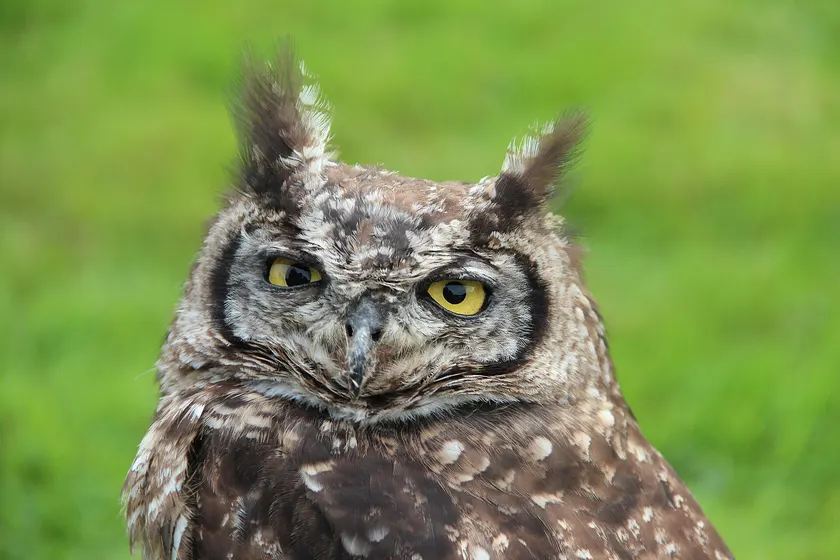
Salthaven Wildlife Rehabilitation and Education Centre in London, Ontario, has four new feeding puppets for young raptors, shaped like a great horned owl, a merlin, a red-tailed hawk, and an American kestrel. Phys.org reported the project on November 12, 2026, from the University of Western Ontario. Caregivers can offer food through the printed beak while their hands stay hidden, and they can play recordings of parent calls. Founder Brian Salt said birds learn by watching their own kind, and that a puppet takes the human out of feeding. He said he believes that raises the chance a released bird will cope. That is his judgment from years of care. The puppets are for next baby season, so this story is not a measured change in survival.
Joel Sierra, a visiting undergraduate from Lima, Peru, designed and printed the heads on feedback from Salt. A local artist painted the heads and canvas sleeves. Salthaven kept the digital files so it can print more. The partnership started with student-designed leg splints for injured Canada geese and mallards, which the centre can now reprint on a donated printer. Before the new puppets, staff wore reflective masks and gowns, and an older owl puppet made them reach around the face to offer food. Professor Ryan Willing supervised the engineering teams.
For the classroom
Phys.org reported on November 12, 2026, that students made feeding puppets for a wildlife hospital in London, Ontario. The puppets look like a great horned owl, a merlin, a red-tailed hawk, and an American kestrel. Food passes through the beak so a baby bird sees a parent, not a person's hands. Joel Sierra, a visiting student from Lima, Peru, designed the heads, and an artist painted them. The centre can print more from the computer files. Founder Brian Salt thinks the puppets will help the birds live wild. That is his judgment. They are for next year's babies, so survival has not been measured yet.
- Why would a baby hawk get confused if a person's hands always brought the food?
- Which four birds did the students shape the puppets to look like?
For a teacher to read with a class. Print the story of the day · Morning announcements · All classroom stories · This week's Good News Friday pack
London, CanadaAnimal rescueBirdsStudentsSTEMGood news on November 12
More good news
Other stories in the same neighborhood of kindness.
 Animals
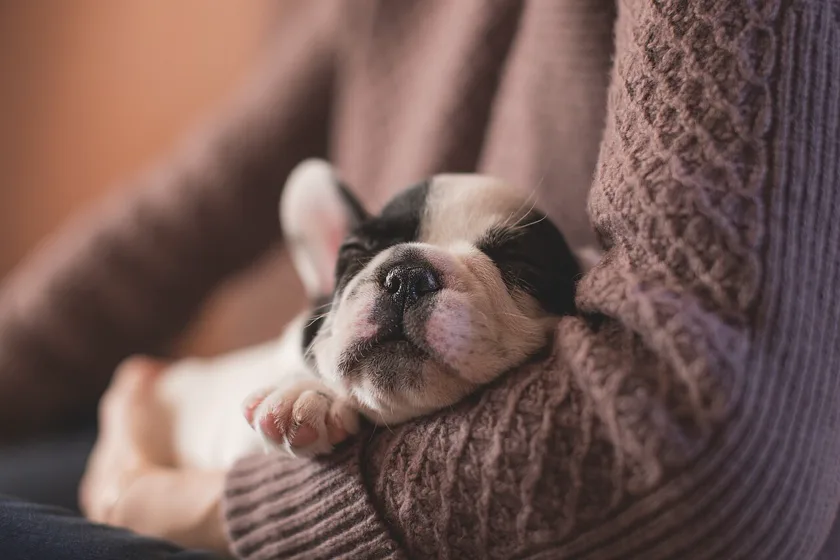
Nova Scotia's SPCA is opening foster homes so sick pets can have the kennels
CBC News reported that a Pedigree Foundation grant will pay for software and round-the-clock vet help as the SPCA recruits people to foster healthy pets, including kittens and puppies.
Verified · CBC News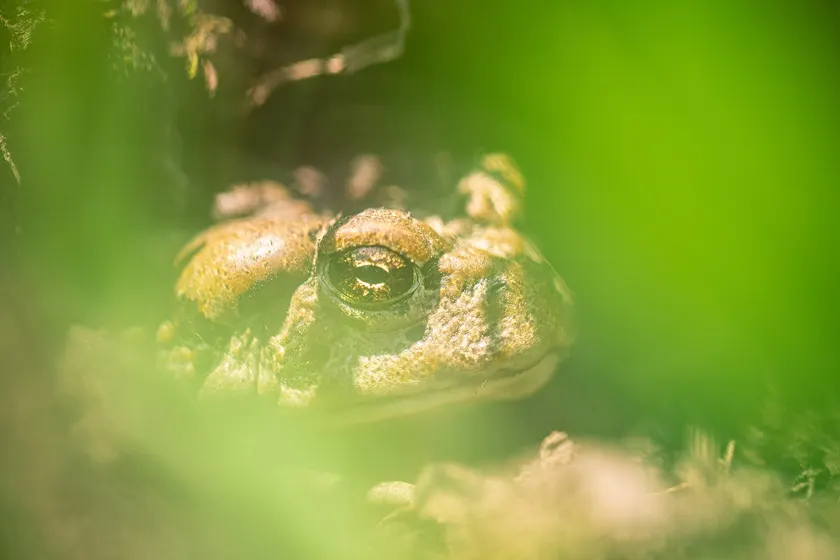 Animals
Prince George opened a bridge so boots pass over the frogs
CBC News reported that an 8-metre span at Shane Lake was finished on November 12, above a trail where tiny amphibians were being stepped on.
Verified · CBC News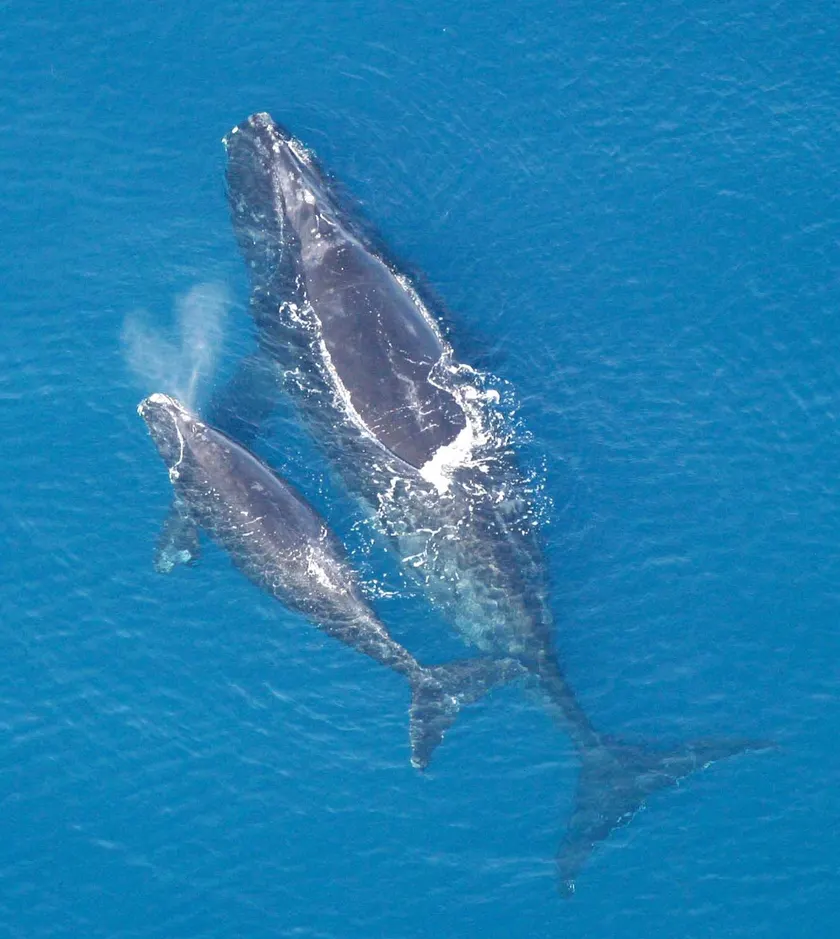 Animals
A right whale calf unseen all winter turned up off Anticosti Island
Researchers photographed Silt with a calf near Anticosti Island on September 25. The New England Aquarium later matched the photos and counted her as the 24th calf of the season, the most since 2009.
Verified · NOAA Fisheries