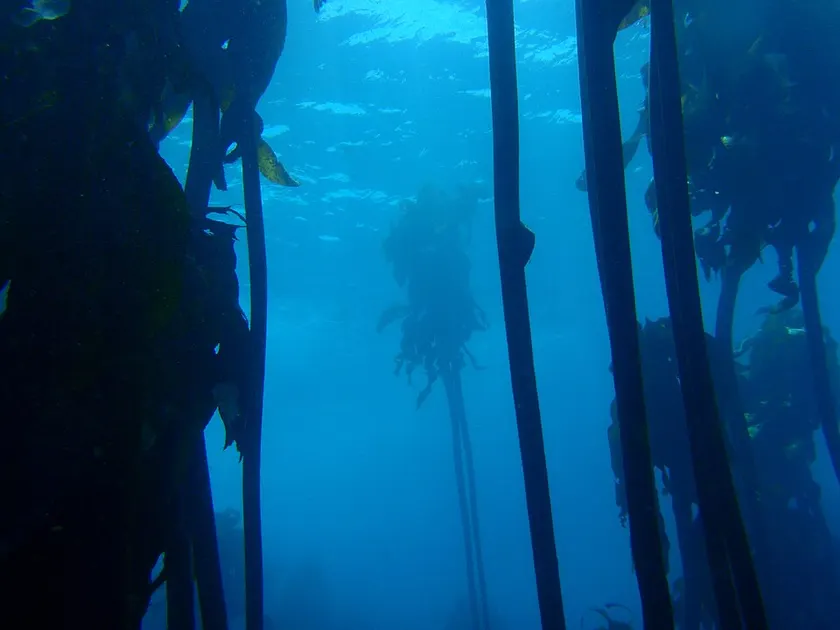
Deep seaweed forests off Lord Howe Island have spread 22-fold
Phys.org reported a study that found adult Sargassum howeanum, missing for 90 years, in forests 20 to 38 metres down. Why the forests grew is still an open question.

Read the original
The reporting lives at Phys.org. Our summary is checked against it, and we link it on every story.
A seaweed collected once in 1935, and then known mostly as scraps of young plants, has turned up as forests. Phys.org reported on November 20, 2026, on a study in the journal Ecology by Matthew Rees, Nathan Knott, and colleagues. Botanist A. H. S. Lucas named Sargassum howeanum from large adults taken near Lord Howe Island. For the next 90 years, surveys in the shallows mostly found small, immature plants. Remote cameras at 20 to 38 metres, about 66 to 125 feet, found dense stands. Algal specialist Gerald Kraft identified the tangled specimens as Sargassum spinuligerum and S. howeanum. The howeanum plants were adults up to 72 centimetres long, with the receptacles they use to reproduce.
Video from marine-park surveys in 2009, 2013, 2017, and 2022 showed the area covered by Sargassum forests had grown about 22 times between 2009 and 2022. The authors do not claim to know why. Sea surface temperatures at the island have risen about 0.2 degrees Celsius a decade since 1985, they wrote, while satellite data suggest water at 20 to 50 metres was cooler ahead of the 2022 survey than in earlier years. They offer that cooler deep water as a possible refuge, and they say the idea is preliminary. Lord Howe lies about 600 kilometres off the eastern coast. The finding is this spread in the survey footage, not a forecast for every seaweed forest.
For the classroom
Phys.org reported on November 20, 2026, that scientists found underwater forests of a seaweed near Lord Howe Island, about 600 kilometres off Australia. A botanist collected adult Sargassum howeanum in 1935. For 90 years, people mostly found only small young plants in the shallows. Cameras at 20 to 38 metres found adults up to 72 centimetres long. Comparing videos from 2009 to 2022, the covered area had grown about 22 times. The team does not yet know why. Cooler deep water may have helped, and they said that idea still needs more proof.
- Why might a plant be hard to find if it lives deeper than people usually swim?
- What is one reason a scientist would film the same place again years later?
For a teacher to read with a class. Print the story of the day · Morning announcements · All classroom stories · This week's Good News Friday pack
Lord Howe Island, AustraliaWildlife conservationParksGood news on November 20
More good news
Other stories in the same neighborhood of kindness.
 Science
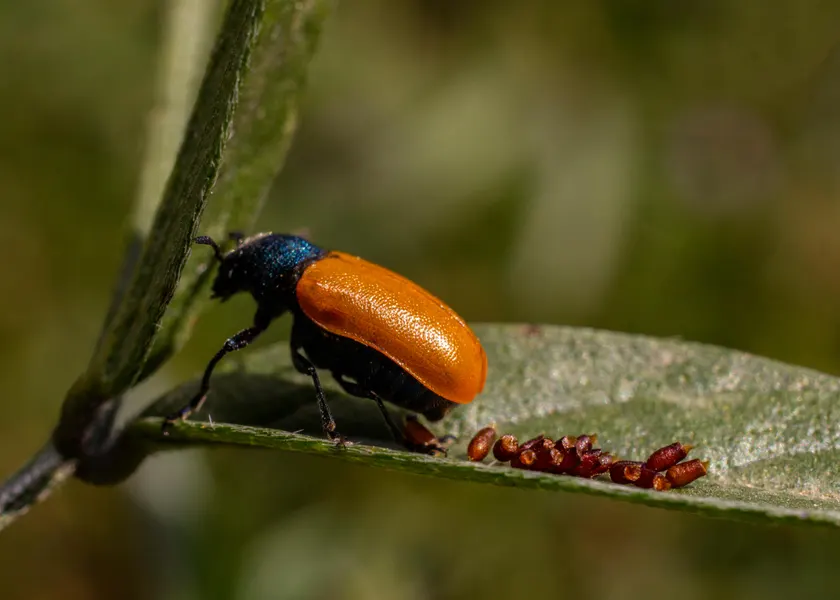
Insects are returning on two islands where the rats and mice are gone
The Conversation reported that invertebrates are more numerous on Macquarie Island and Antipodes Island after rats, mice, and, on Macquarie, rabbits were removed.
Verified · The Conversation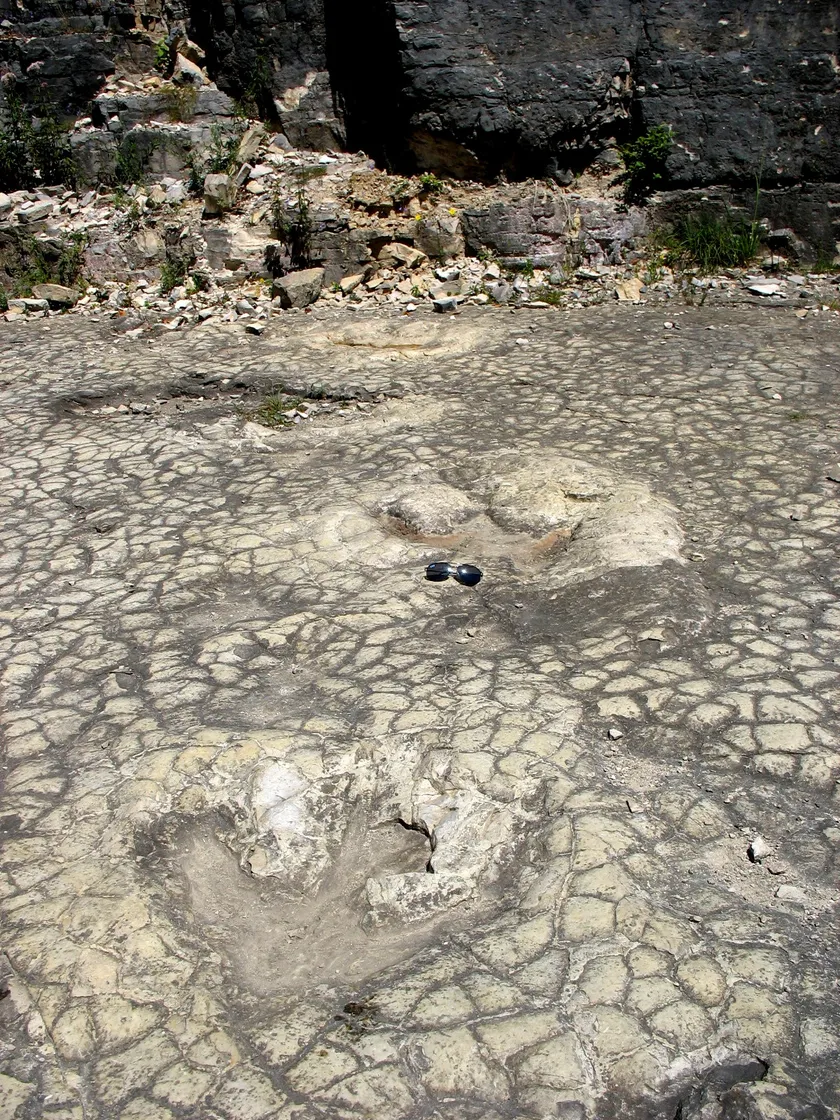 Science
Sandstone from Brisbane's old quarry still holds dinosaur footprints
ABC News reported that two pieces of stone from Petrie's Quarry, the pit that built much of the old city, show tracks of a two-legged sauropodomorph.
Verified · ABC News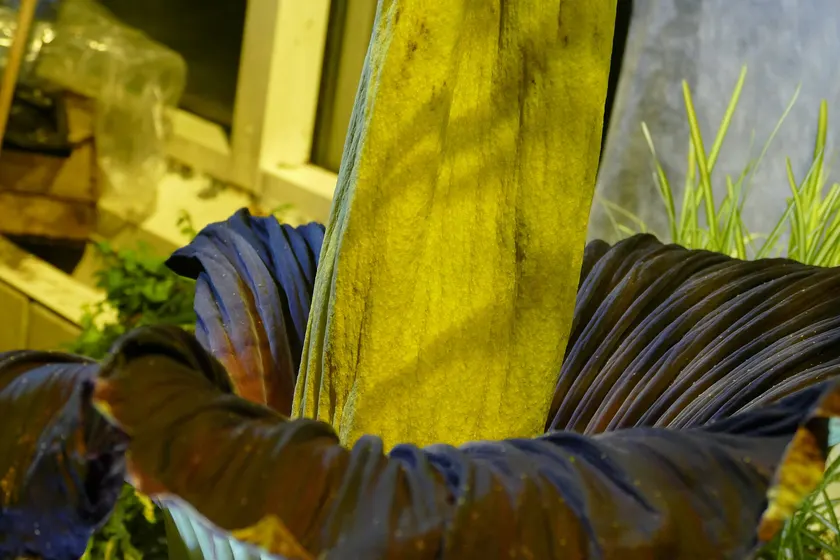 Science
Geelong's corpse flower Pete is close to a rare bloom
ABC News reported that the titan arum at Geelong Botanic Gardens is 1.5 metres tall and expected to flower within days, a show that lasts only a day or two.
Verified · ABC News