Insects are returning on two islands where the rats and mice are gone
The Conversation reported that invertebrates are more numerous on Macquarie Island and Antipodes Island after rats, mice, and, on Macquarie, rabbits were removed.
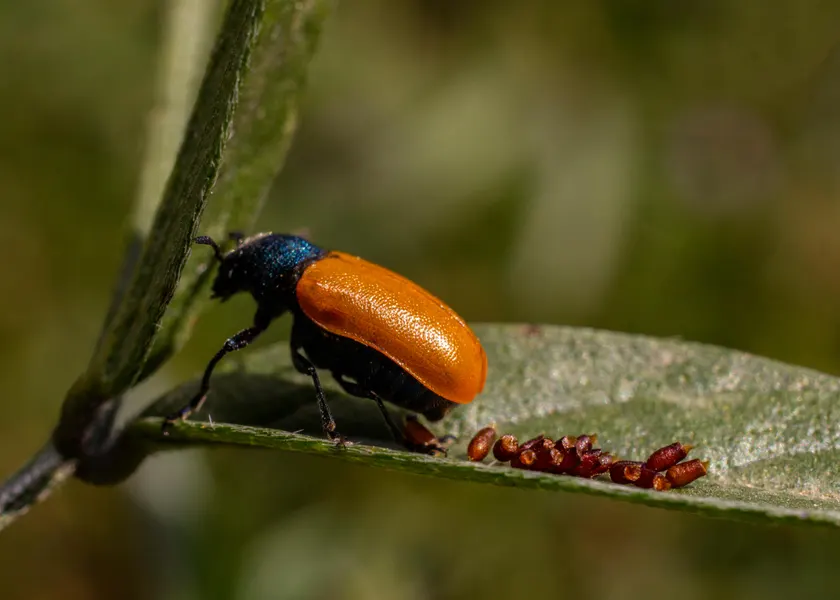

Read the original
The reporting lives at The Conversation. Our summary is checked against it, and we link it on every story.
The Conversation reported on November 17, 2026, that invertebrates are recovering on Macquarie Island and Antipodes Island after invasive rodents were removed. Justine Shaw, of Queensland University of Technology and Adelaide University, wrote that Macquarie was declared free of rats, mice, and rabbits in 2014, and that Antipodes has been free of mice since 2018. Seabirds on cleared islands are already well counted. The new work asked what happened to the smaller animals.
Traps resampled the same sites and were compared with older records: about 30 years of data for Macquarie and eight for Antipodes. Overall, there were more invertebrates and, at most sites, more species. On Antipodes, where mice had been the only invasive mammal, spiders, beetles, worms, and pseudoscorpions showed the strongest gains. On Macquarie, native flies benefited most. Shaw wrote that rabbits had grazed Macquarie's grasslands and megaherbs for more than 150 years, and that the plants are still not fully recovered, which leaves less habitat. Antipodes has more than 80 known native insect species and 16 spiders. Macquarie has 19 known native insects and 3 spiders. The islands share 18 invertebrate species despite nearly 1,500 kilometres of ocean between them. A cave weta on Antipodes is likely extinct because of the mice. The paper's point is that removal helps, and that a complicated history of rabbits and rats makes the rebound slower. It is not a claim that every species has returned.
For the classroom
The Conversation reported on November 17, 2026, that small animals are coming back on two cold islands after rats and mice were removed. Macquarie Island, south of Australia, was declared free of rats, mice, and rabbits in 2014. Antipodes Island has been free of mice since 2018. Scientists compared new traps with older counts. They found more invertebrates, and usually more kinds. On Antipodes, spiders, beetles, and worms did especially well. On Macquarie, flies gained the most. Rabbits had grazed Macquarie for more than 150 years, and the plants are still recovering. The animals are increasing. They are not all the way back.
- Why would spiders and beetles do better after the mice are gone?
- Macquarie Island is far south of Australia. What is one reason a cold island might have animals found nowhere else?
For a teacher to read with a class. Print the story of the day · Morning announcements · All classroom stories · This week's Good News Friday pack
Macquarie Island, AustraliaWildlife conservationParksGood news on November 17
More good news
Other stories in the same neighborhood of kindness.
 Science
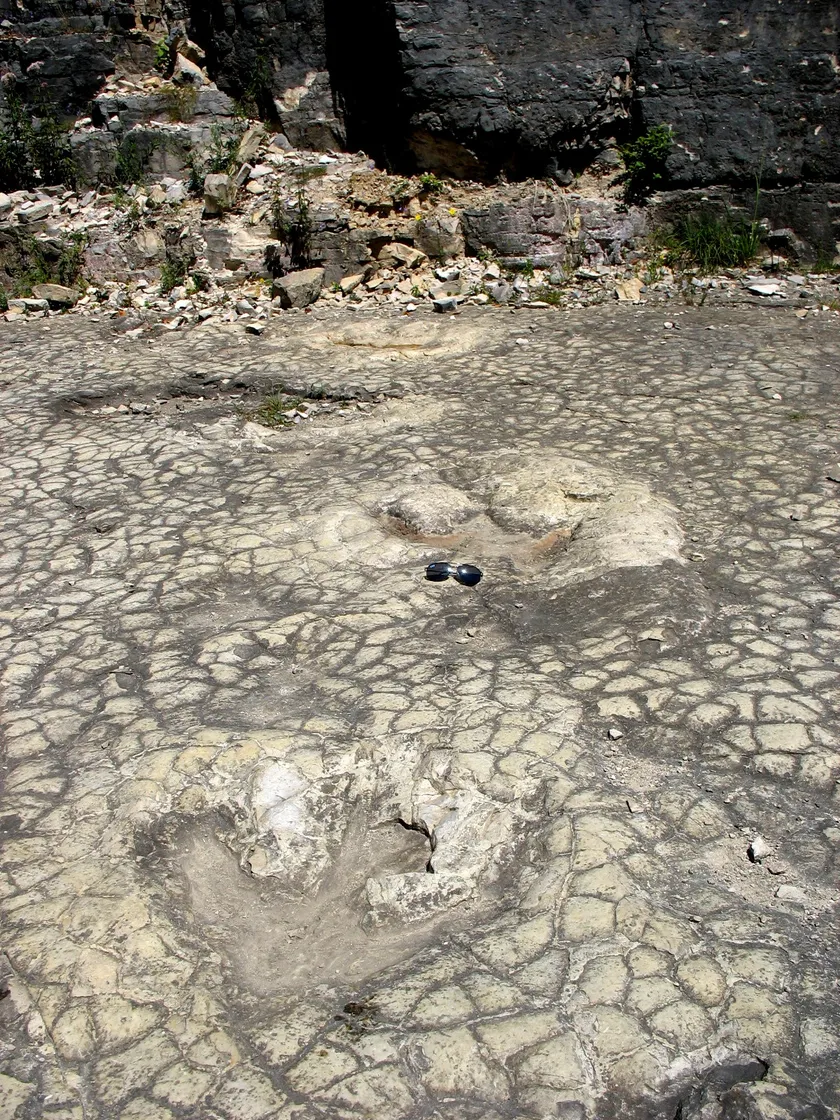
Sandstone from Brisbane's old quarry still holds dinosaur footprints
ABC News reported that two pieces of stone from Petrie's Quarry, the pit that built much of the old city, show tracks of a two-legged sauropodomorph.
Verified · ABC News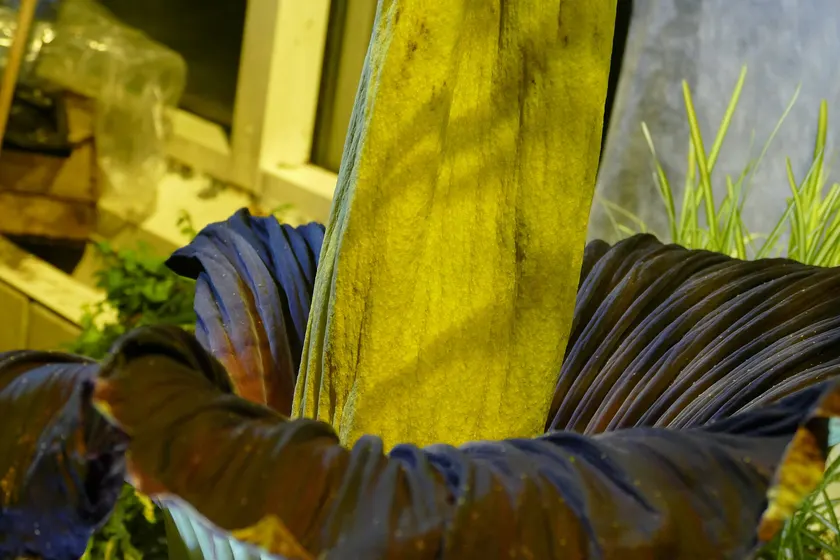 Science
Geelong's corpse flower Pete is close to a rare bloom
ABC News reported that the titan arum at Geelong Botanic Gardens is 1.5 metres tall and expected to flower within days, a show that lasts only a day or two.
Verified · ABC News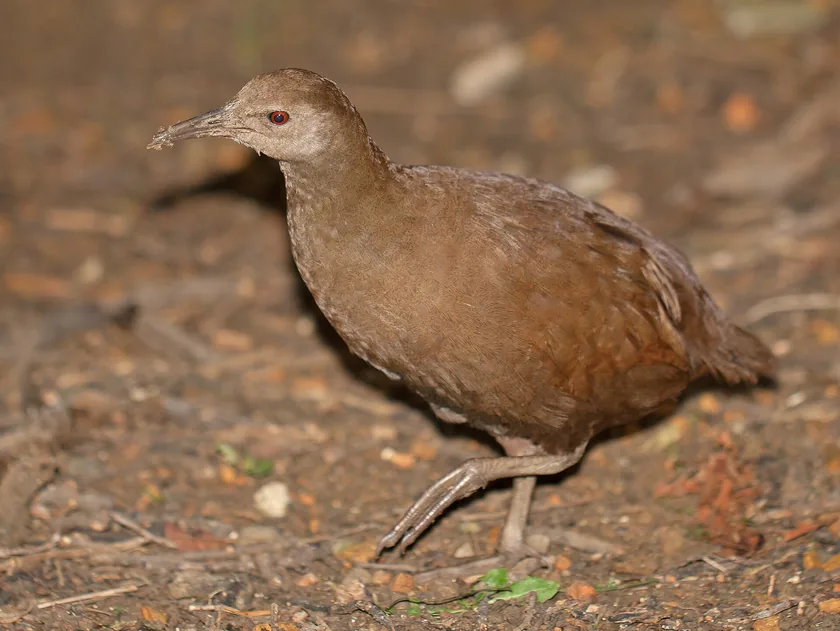 Science
A study found that many bird and mammal populations below 50 can still recover
Of 51 species that got direct help after falling below 50 wild animals, 61 percent later reached at least 100. Among species with no such help, 37 percent went extinct.
Verified · Monash University