Lundy's seabirds climbed from about 6,000 to about 48,000
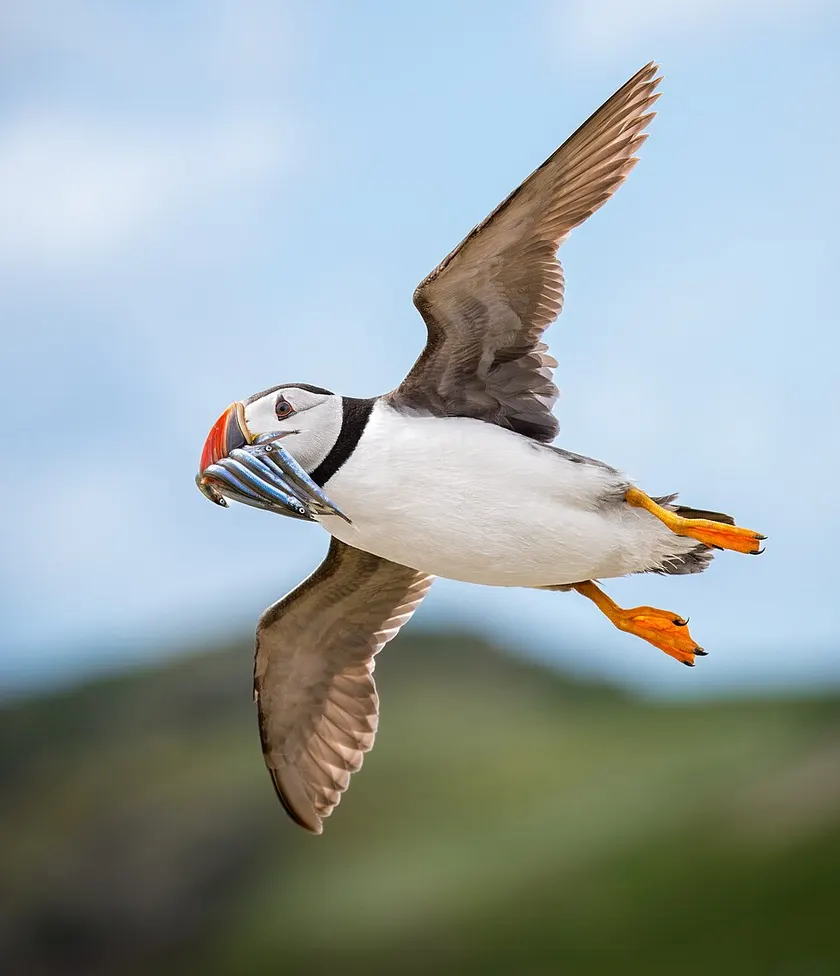
A Mongabay video reported that puffins, shearwaters, and other seabirds recovered after rats were removed, and that lobsters grew larger inside the island's no-take zone.

Read the original
The reporting lives at Mongabay. Our summary is checked against it, and we link it on every story.
Seabirds on Lundy, a small island in the Bristol Channel, are a rare upward line in a bad decade for British seabirds. Mongabay's video, published November 21, 2026, reports that rats which had reached the island were taking eggs and chicks, and that numbers were about 6,000 around the time a decision was made, 20 years ago, to remove them. A warden in the film puts the count now at about 48,000, naming puffins, razorbills, guillemots, Manx shearwaters, storm petrels, fulmars, and kittiwakes among the birds that nest there.
The water had a parallel story. The seas around Lundy became the United Kingdom's first marine nature reserve, and in 2003 a rectangle of the east coast became the country's first no-take zone, where fishing is off limits. The film says islanders, North Devon people, local fishers, and conservationists worked out together what would still be allowed in the wider protected area, including rod fishing and lobster pots, while trawling and dredging stayed out. A fisherman who spent decades potting for lobster and crab said a string of pots outside the zone might yield a dozen lobsters, while inside it a night could bring many more, and larger ones. Studies cited in the video found lobsters in the zone both bigger and more numerous, with some spilling into fished water. The marine protected area was aimed in particular at spiny lobsters, also called crawfish, which the film says were brought back from the brink. The counts are what the island's people told Mongabay. They are not a national seabird census.
For the classroom
Mongabay reported on November 21, 2026, that seabirds have come back to Lundy, an island between England and Wales. About 20 years ago rats were eating eggs and chicks, and seabird numbers were about 6,000. After the rats were removed, a warden put the count at about 48,000, including puffins and Manx shearwaters. In 2003 a patch of sea became the United Kingdom's first no-take zone, where fishing is not allowed. Local fishers helped set the rules. Lobsters inside that zone are larger and more numerous, and some swim out to water where fishing is allowed.
- Why would seabird numbers rise after rats are taken off an island?
- What is a rule a town could make so fish have a place to grow?
For a teacher to read with a class. Print the story of the day · Morning announcements · All classroom stories · This week's Good News Friday pack
Lundy, United KingdomBirdsWildlife conservationParksGood news on November 21
More good news
Other stories in the same neighborhood of kindness.
 Animals
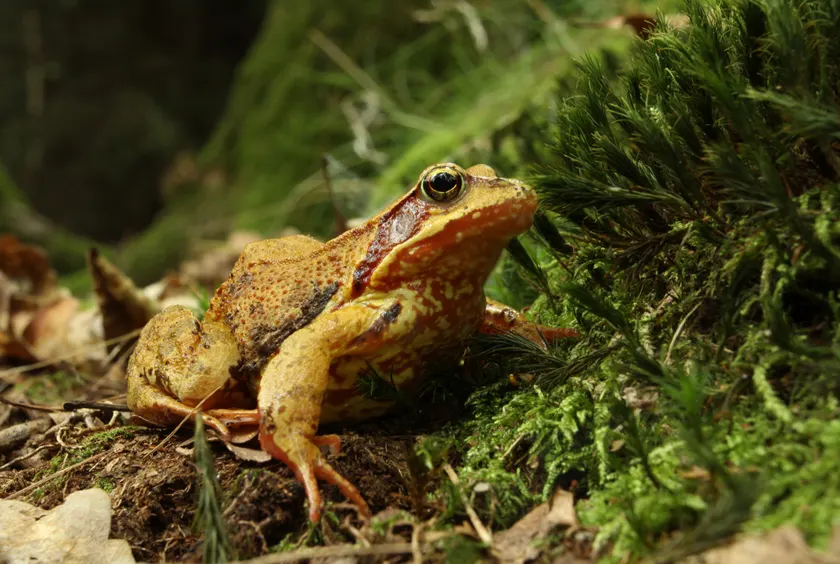
Lottery money will put new ponds on old Yorkshire pit sites
The BBC reported that Froglife won £889,761 to restore freshwater habitat in South Yorkshire and at sites in North and West Yorkshire, including 48 new ponds. The digging has not started.
Verified · BBC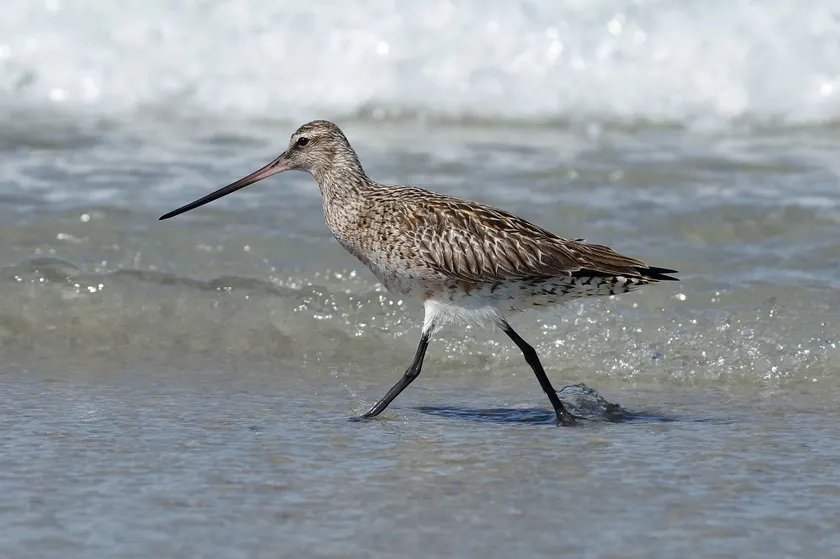 Animals
A godwit named Phil flew from Norfolk to Siberia and came home
The Guardian reported that a 6-gram tracker followed one bar-tailed godwit from the Wash to the Taymyr Peninsula and back, a round trip of about 6,800 miles.
Verified · The Guardian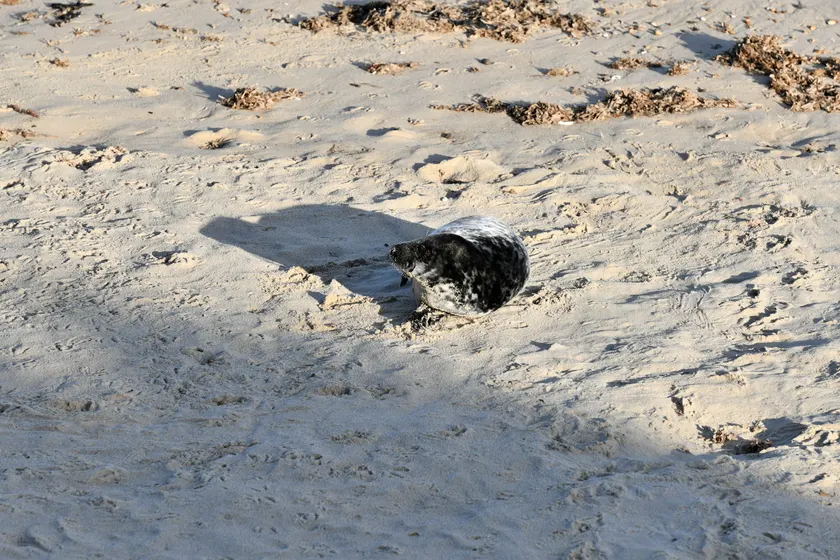 Animals
A grey seal named Monsoon is back in the sea off Norfolk
The BBC reported that Friends of Horsey Seals finally caught Monsoon at Waxham on October 7, after a flying ring had cut into her neck. RSPCA East Winch removed it, and she was released about a month later.
Verified · BBC