A Lusaka farm turns airline food scraps into the next crop
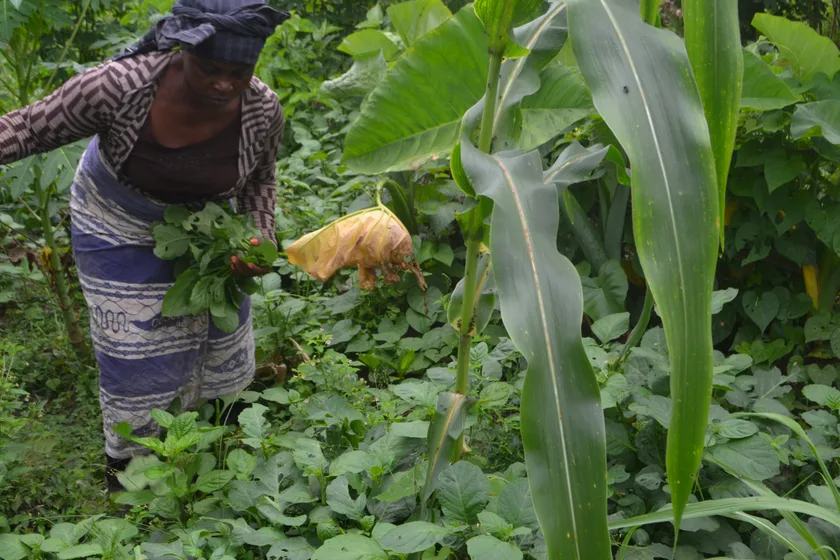
Mongabay reported that Loctaguna Organics, a 10-hectare farm outside Lusaka, sells vegetables to an airline caterer and composts the kitchen scraps that come back on the return trip.

Read the original
The reporting lives at Mongabay. Our summary is checked against it, and we link it on every story.
A 10-hectare farm on the edge of Lusaka is selling vegetables to airline meals and bringing the kitchen scraps home as compost, Mongabay reported on November 23, 2026. Loctaguna Organics supplies radishes, asparagus, cherry tomatoes, and several lettuces to Newrest Zambia, which caters flights out of the capital. On the return trip the farm collects organic waste, so the scraps do not need a separate truck.
Founder Kanangwa Newlove said soil health is the base of the system. The farm grows vegetables, fruit, herbs, and animal products without synthetic fertilizers or pesticides and employs 12 people. Worms turn tea bags, cardboard, and scraps into compost. Goat and pig manure goes back on the fields, and some meal residues feed the pigs. Leaves of comfrey, fermented in water, are used as a pest spray, with tithonia flowers added. Newlove said an internal comparison of one hectare of onions put the farm's costs about 35 percent below a conventional setup, and that garbage-collection costs fell by about 35 percent and pig-feeding costs by about 45 percent after the scrap pickups began.
She also works with Kasisi Agricultural Training Centre to share the methods with small farms. The operation has an organic certification through Ubumi PGS Zambia Organics, a local participatory check rather than a distant auditor. Newlove said income from Newrest and from selling produce on site covers the farm, and that wages are above the recommended farm rate. She also said staffing is hard, including occasional theft. She did not say how much of the income comes from the caterer. The news is this loop on one farm. It is not a figure for how much airline waste Zambia diverts.
For the classroom
Mongabay reported on a 10-hectare farm outside Lusaka, the capital of Zambia. The farm is called Loctaguna Organics. It grows vegetables and herbs without chemical fertilizers or pesticides and sells them to a company that makes meals for airplanes. When the farm delivers the food, it picks up kitchen scraps on the way back and turns them into compost with worms. Goats and pigs on the farm also help make fertilizer, and some meal leftovers go to the pigs. Founder Kanangwa Newlove said the soil is the most important part. Twelve people work there. She said the farm's costs for one onion field were about 35 percent lower than a conventional setup, and that pig-feeding costs fell after the scraps started coming back. The story is this one farm's loop. It is not a plan for every airline.
- How can food scraps from a kitchen become food for the next crop?
- What is one thing your class could keep out of the trash and use again?
For a teacher to read with a class. Print the story of the day · Morning announcements · All classroom stories · This week's Good News Friday pack
More good news
Other stories in the same neighborhood of kindness.
 Community
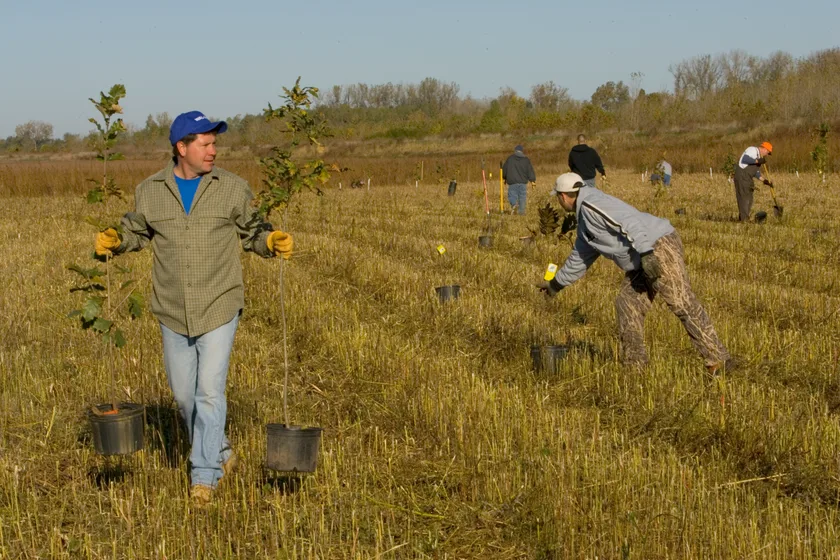
163 schoolchildren in Eersel spent a morning planting trees
Omroep Brabant reported that 163 pupils from five primary schools planted trees on Boomfeestdag at two sites in the municipality, with the forestry service alongside them.
Verified · Omroep Brabant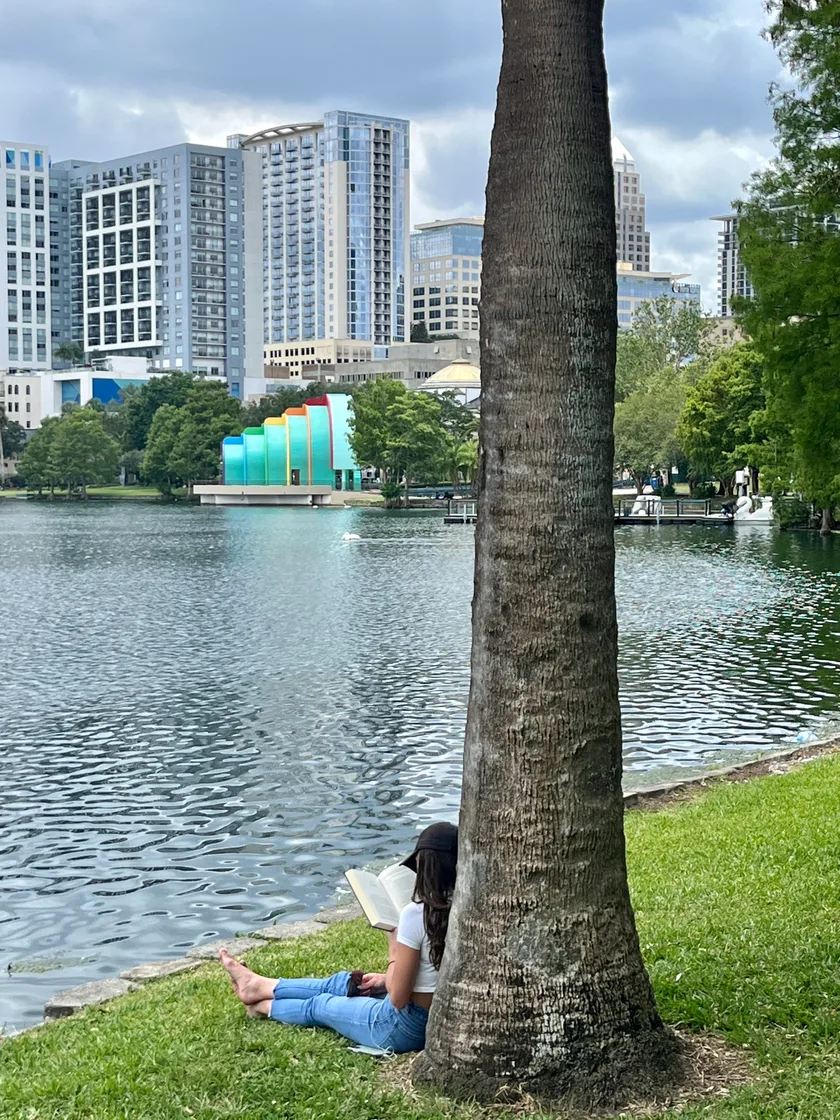 Community
Banda Aceh opened a weekend outdoor library in a city park
The Korea Times reported that Seoul's outdoor-library idea now has a 1,500-square-metre pilot at Bustanussalatin Park, open on weekends through the end of the year.
Verified · The Korea Times Community
Ōtari-Wilton's Bush marked 100 years as a native-plant garden
RNZ reported that the Wellington valley Job Wilton fenced against axes in the 1860s has been a native-plant garden since October 12, 1926, and the centenary was marked this year.
Verified · RNZ