A study found that many bird and mammal populations below 50 can still recover
Of 51 species that got direct help after falling below 50 wild animals, 61 percent later reached at least 100. Among species with no such help, 37 percent went extinct.

Read the original
The reporting lives at Monash University. Our summary is checked against it, and we link it on every story.
Bird and mammal populations that fall below 50 animals in the wild are not automatically finished, a study co-authored at Monash University and the Zoological Society of London has found. Phys.org reported the paper on November 5, 2026. It is published in Proceedings of the Royal Society B. Lead author Donal Smith, of Monash, said conservation choices have long been shaped by the idea that once numbers drop under a threshold, smallness itself blocks recovery through genetics or chance. The review says population size alone should not decide whether people give up.
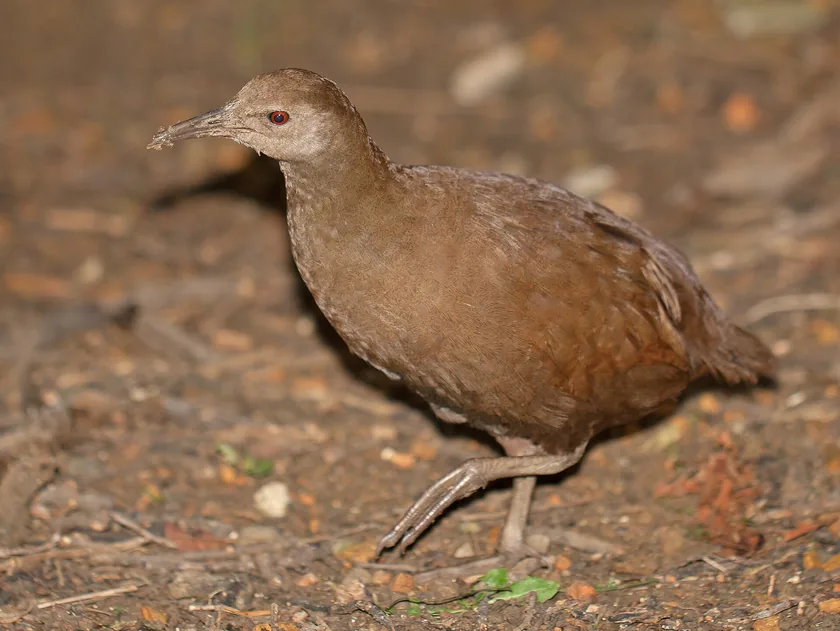
The authors looked at every bird and mammal species known to have fallen below 50 wild individuals since 1950, and kept the 141 with histories documented well enough to judge. Of the 51 that received direct help, such as predator control, habitat restoration, captive breeding, or moving animals, 61 percent later reached at least 100. Of the species that got no such direct support, 37 percent went extinct, and only 2 percent recovered to at least 100. Help that both eased the outside threat and managed the population did best. The paper points to the Lord Howe woodhen, which went from 23 birds in the late 1970s to more than 1,600. Co-author Rohan Clarke said genetic risks are real, and that the record is about intervention, not about doing nothing. The study covers species with a paper trail. It is not a promise for every animal that is rare today, and it does not say a population under 50 is safe.
For the classroom
Scientists in Australia and Britain looked at birds and mammals that had become very rare. Phys.org reported the study on November 5, 2026. They checked species known to have dropped below 50 animals in the wild since 1950, when the history was written down well enough. That was 141 species. Of 51 that got direct help, such as removing predators or breeding animals in care, about 61 percent later reached at least 100. With no such help, 37 percent disappeared, and only 2 percent climbed back to 100. The Lord Howe woodhen went from 23 birds in the late 1970s to more than 1,600. Small does not always mean gone, and it does not mean every rare animal recovers.
- Why might a count of 50 animals sound hopeless, and still not be the end of the story?
- What is one kind of help the study said made a difference?
For a teacher to read with a class. Print the story of the day · Morning announcements · All classroom stories · This week's Good News Friday pack
Melbourne, AustraliaWildlife conservationSTEMGood news on November 5
More good news
Other stories in the same neighborhood of kindness.
 Science
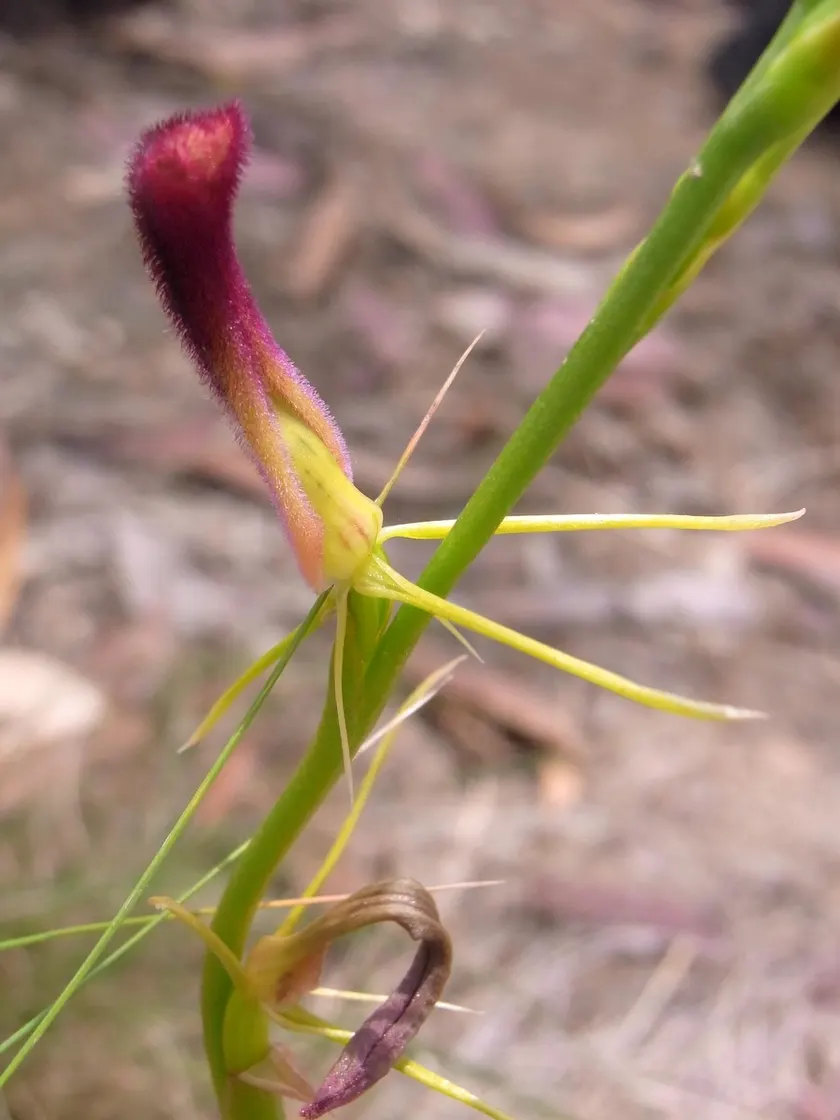
A second cluster of the Bonville leafless orchid turned up near Boambee
Teacher Nick Lambert found about 50 plants a day after seeing the only known site in flower. Scientists now count more than 60 plants in two places, and the new patch sits inside a national park.
Verified · ABC News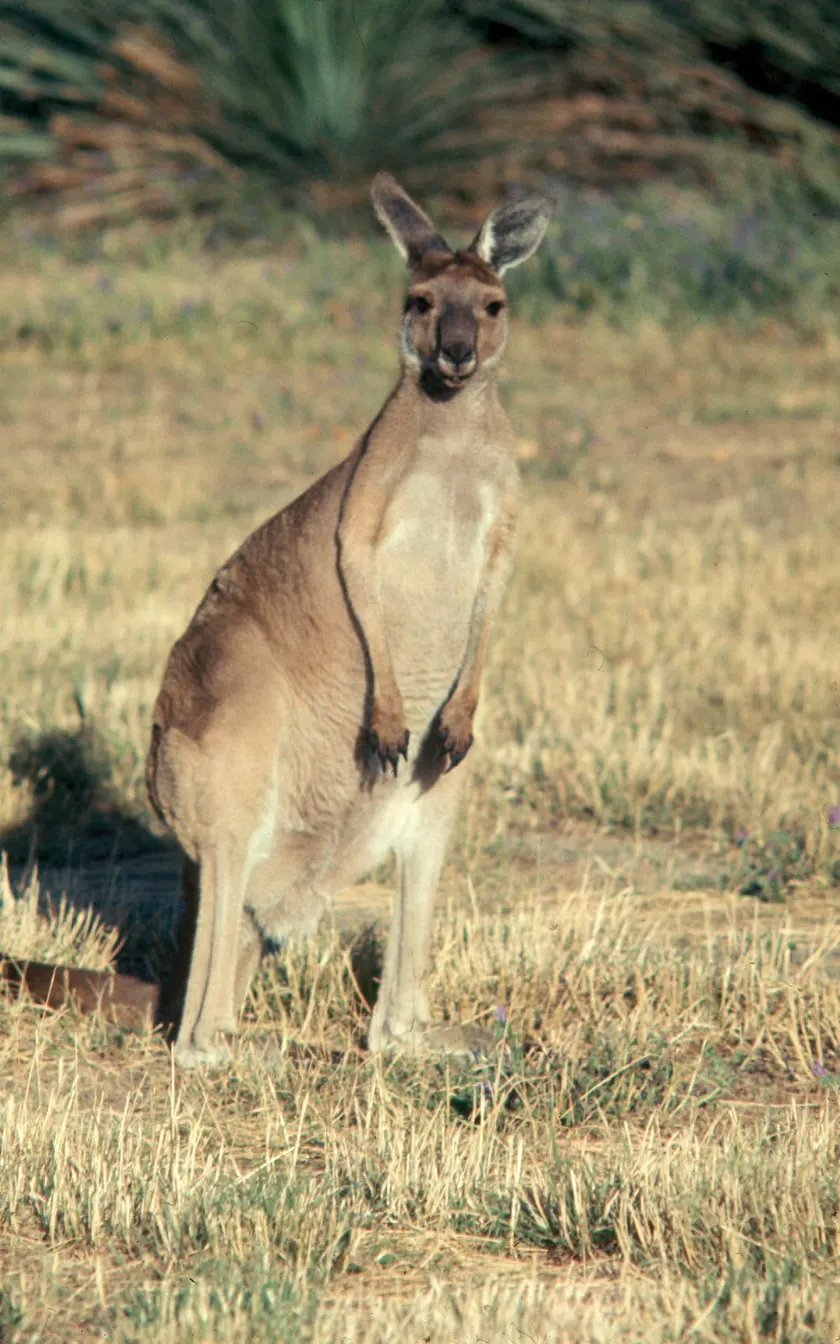 Science
Koonibba students mapped megafauna footprints at Fowlers Bay
A 10-year-old found a track that had not been recorded before. Twenty-one students from the Aboriginal school tied the prints to stories of ancestors who lived among giant animals.
Verified · ABC News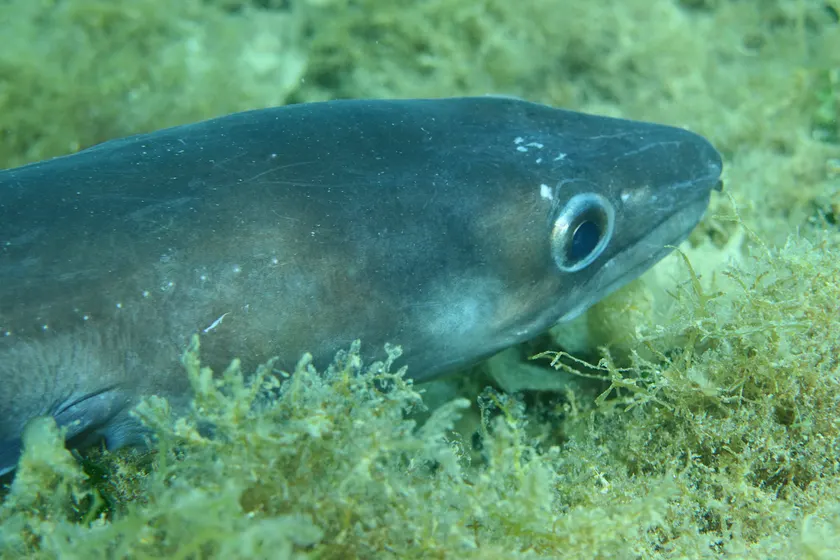 Science
About 2.8 million eels gather to spawn beside a seamount off Tasmania
A CSIRO-led study in Royal Society Open Science puts the only known deep-sea eel spawning aggregation at Patience Seamount, in Huon Marine Park.
Verified · ABC News