Volunteers have saved 3,082 freshwater turtles on Australian roads
ABC News reported that a citizen project has logged nearly 38,000 turtle records and protected 2,468 nests. The million in its name is a projection, not a census.
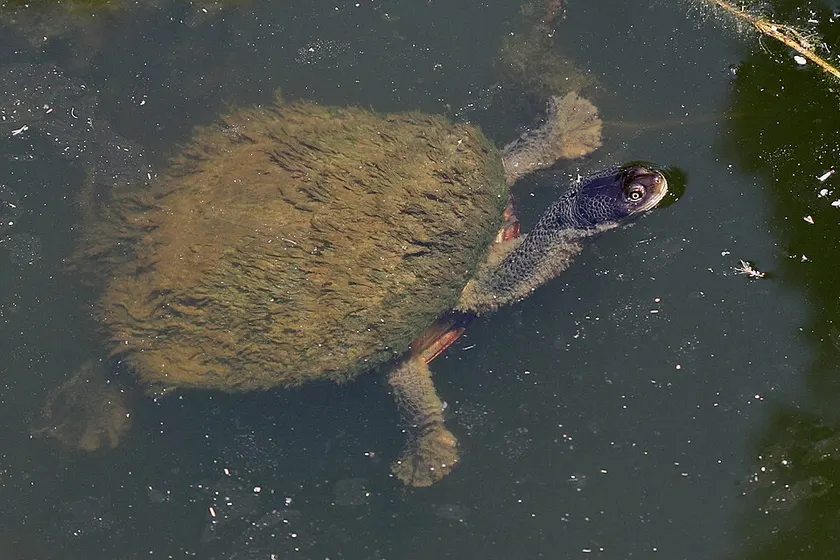

Read the original
The reporting lives at ABC News. Our summary is checked against it, and we link it on every story.
A citizen project that set out to give a million native freshwater turtles a better chance has a running tally, and the rescues are the part a neighbor can see. ABC News reported on November 21, 2026, that 1 Million Turtles, launched in 2021, has taken close to 40,000 records from people who log turtles in the wild. James Van Dyke, an associate professor at La Trobe University and a co-founder, said the latest count of turtles saved from roads and other hazards is 3,082. Volunteers have also found and protected 2,468 nests.
Van Dyke was plain that the million is arithmetic, not a head count. If each saved turtle lived another 30 years and half of them laid about 20 eggs a year, he said, that could approach 900,000 eggs. Protected nests add more: an average nest of about 20 eggs would be roughly 50,000 eggs already watched. Deb Bower, at the University of New England, put the records at about 38,000, counting live turtles, dead turtles, and nests. Most of the reports come from Victoria, New South Wales, and South Australia, with another cluster around Perth and Albany.
The project follows three inland species in particular: the eastern long-necked turtle, the broad-shelled turtle, and the Murray River short-necked turtle. Radio tags on 50 hatchlings showed how often that stage ends in a bird's meal. Van Dyke said most of those tracked hatchlings were eaten, because the team finds chewed transmitters under trees. He also said those hatchlings are food for native birds. A wet spring in the southeast is useful for the adults, Bower said, because females need food and places to nest. November is when they leave the water to lay, sometimes only a few metres from the bank and sometimes 100 metres or more, which is when cars meet them.
For the classroom
ABC News reported on November 21, 2026, that people across Australia are helping freshwater turtles. The 1 Million Turtles project started in 2021. Volunteers have saved 3,082 turtles from roads and other dangers, and they have protected 2,468 nests. Scientists hold about 38,000 records of turtles and nests. James Van Dyke at La Trobe University said the million in the name is a hope about future eggs, not a count of turtles already born. November is when females leave the water to lay, which is when many of the rescues happen.
- Why is a turtle on a road in more danger than a turtle in the water?
- What is one safe way a family could help a wild animal without picking it up?
For a teacher to read with a class. Print the story of the day · Morning announcements · All classroom stories · This week's Good News Friday pack
Melbourne, AustraliaWildlife conservationVolunteersAnimal rescueGood news on November 21
More good news
Other stories in the same neighborhood of kindness.
 Animals
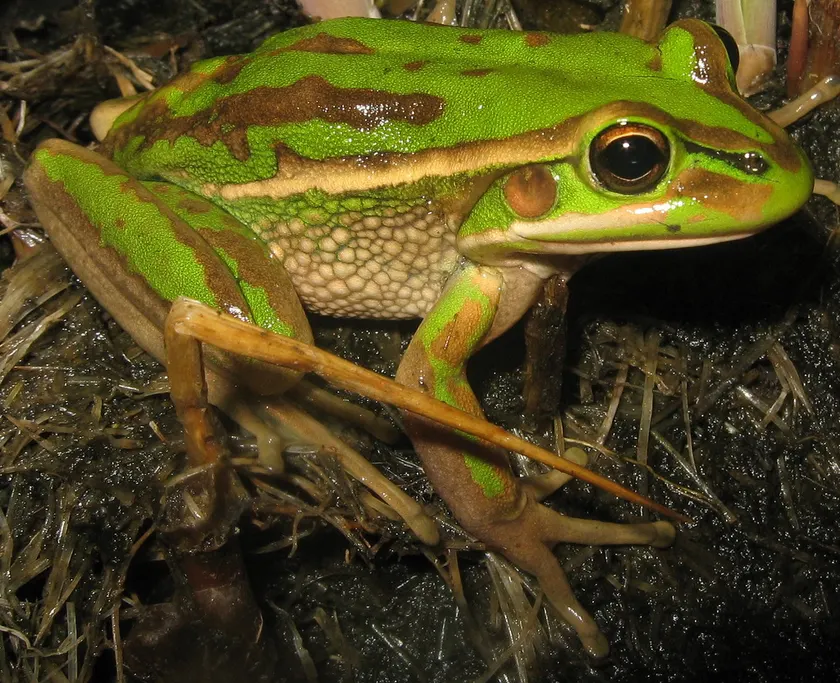
Green and golden bell frogs are back in the ponds at Carwoola
University of Canberra researchers released the frogs at their last upland stronghold on November 17. The count of animals let go was not published, and it is too soon to know if they will breed there.
Verified · University of Canberra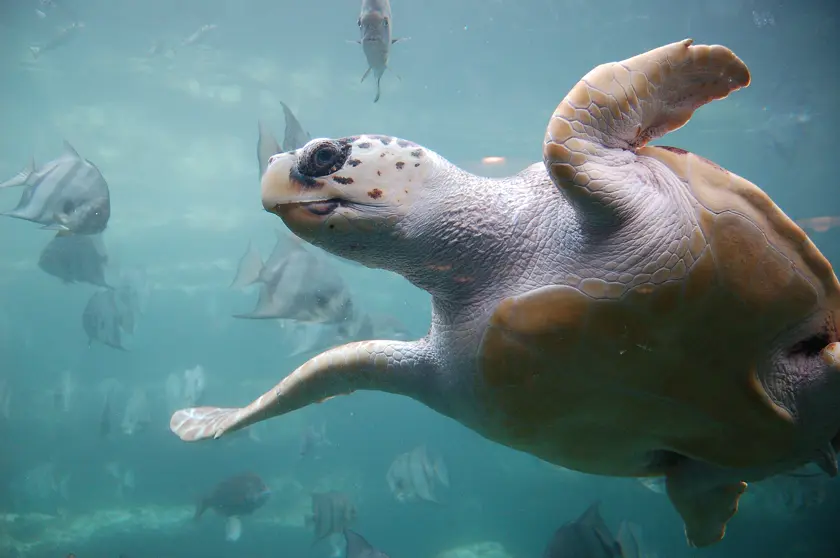 Animals
A volunteer drove a stranded loggerhead nearly 700 kilometres to care
ABC News reported that the juvenile, nicknamed Shaggy for the algae on its shell, was found floating in seaweed off Esperance and is expected to stay in care until April.
Verified · ABC News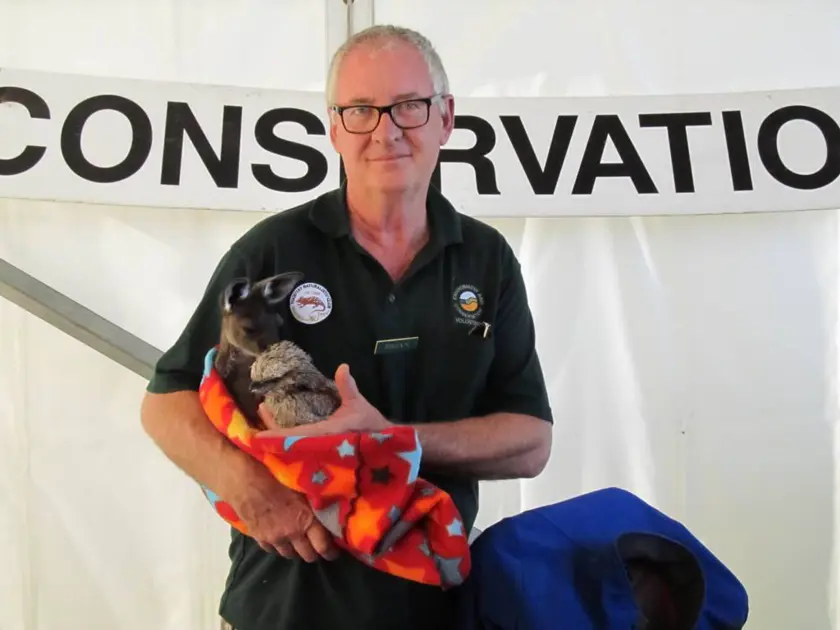 Animals
Margaret River's wildlife hospital took its first patients
ABC News reported that all nine places were booked on the day admissions began, including a ringtail possum, kangaroo joeys, and birds of prey.
Verified · ABC News