Two new water bears were described from a seamount off Cabo Verde
Phys.org reported that Senckenberg scientists named two tardigrade species from Senghor Seamount. The animals were collected in 2009. The new names are this year's news.
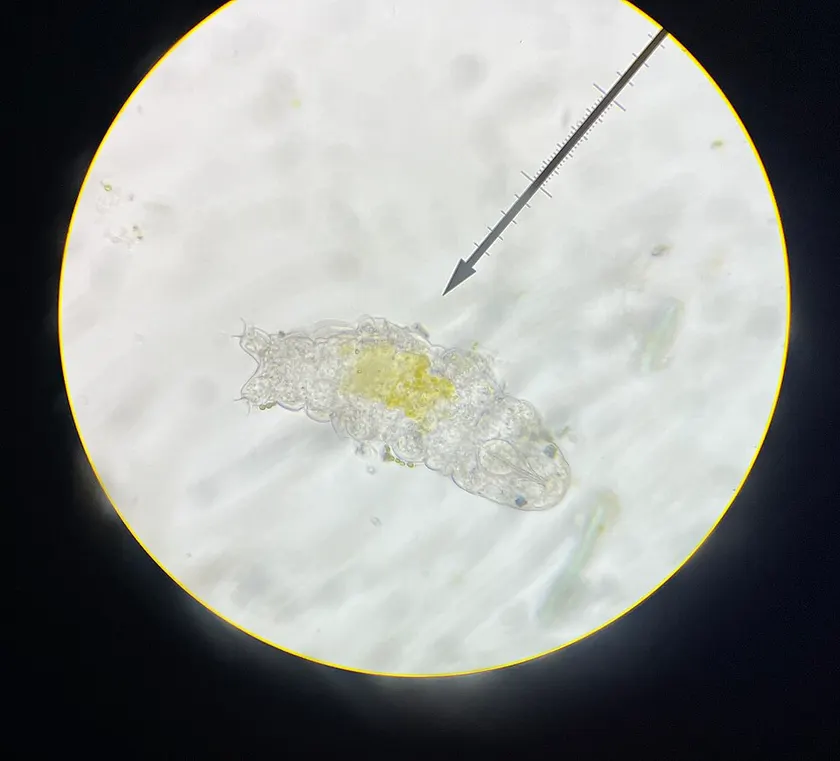

Read the original
The reporting lives at Phys.org. Our summary is checked against it, and we link it on every story.
Two new species of marine tardigrade, the animals nicknamed water bears, have been named from an underwater mountain off Cabo Verde. Phys.org reported the description on November 20, 2026. The work, led by Roman Trokhymchuk and Alexander Kieneke at Senckenberg am Meer in Wilhelmshaven, is in the journal ZooKeys. The animals are Megastygarctides hekatae and Parastygarctus potercha. They came from sediment on Senghor Seamount, whose summit sits about 100 to 130 metres down while the surrounding seafloor is thousands of metres deep. The samples were collected in 2009 on the research vessel Meteor. What is new is the identification, not a fresh expedition.
The team examined 219 tardigrades. Of those, 212 were from the summit plateau and seven from a deep reference site about 100 kilometres farther north. The seamount yielded 20 taxa. The deep site yielded two. The authors read that gap as more evidence that seamounts can be rich even for animals barely visible without a microscope. Hekatae has genital spines, short hollow projections with hooks linked to the reproductive organs, a rare feature, and it is the deepest Megastygarctides yet recorded, at about 100 metres. Potercha keeps some juvenile traits as an adult, including a very small body and fewer claws. With these names, Megastygarctides has seven known species and Parastygarctus eight. The paper also updates the keys used to tell the genera apart.
For the classroom
Phys.org reported on November 20, 2026, that scientists named two new kinds of tardigrades, tiny animals called water bears, from Senghor Seamount off Cabo Verde. The mountaintop is about 100 to 130 metres underwater. The animals were collected in 2009, and the names are new this year. Of 219 tardigrades studied, 212 came from the summit. A deep spot about 100 kilometres north had only seven animals. One new species has rare spines linked to its reproductive organs. The other stays very small even as an adult.
- Why might the top of an underwater mountain hold more kinds of tiny animals than the deep mud nearby?
- What is something so small you would need a microscope to meet it?
For a teacher to read with a class. Print the story of the day · Morning announcements · All classroom stories · This week's Good News Friday pack
Mindelo, Cabo VerdeWildlife conservationSTEMGood news on November 20
More good news
Other stories in the same neighborhood of kindness.
 Animals
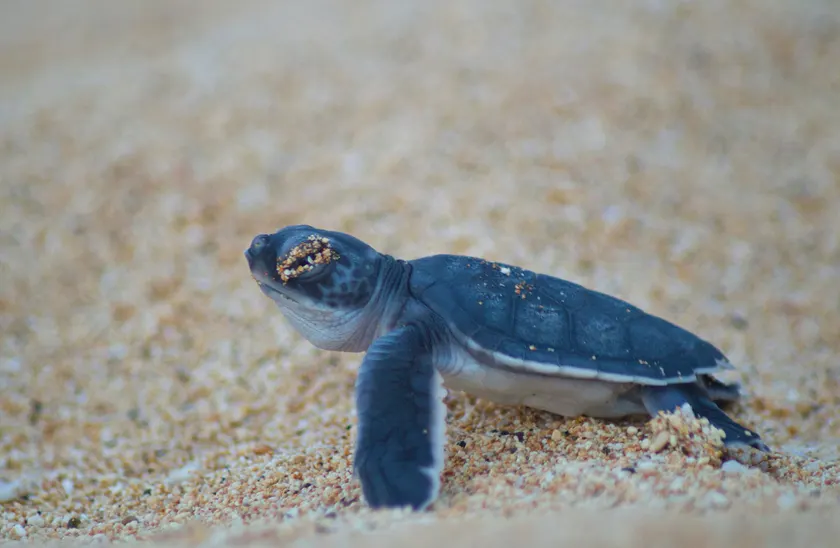
São Vicente's turtle watch recorded 86 nests and a thousand hatchlings
The Ponta d'Pom campaign logged 63 nests at Praia Grande and 23 at Praia do Lazareto. Tracks are visits, not a count of individual turtles.
Verified · Inforpress Science
A passenger rode a pilotless air taxi on a short flight in Kai
Euronews reported a 380-metre demonstration on November 20 at an academy runway in Yamanashi. A later uncrewed lap covered about 1,800 metres. Commercial service is not approved.
Verified · Euronews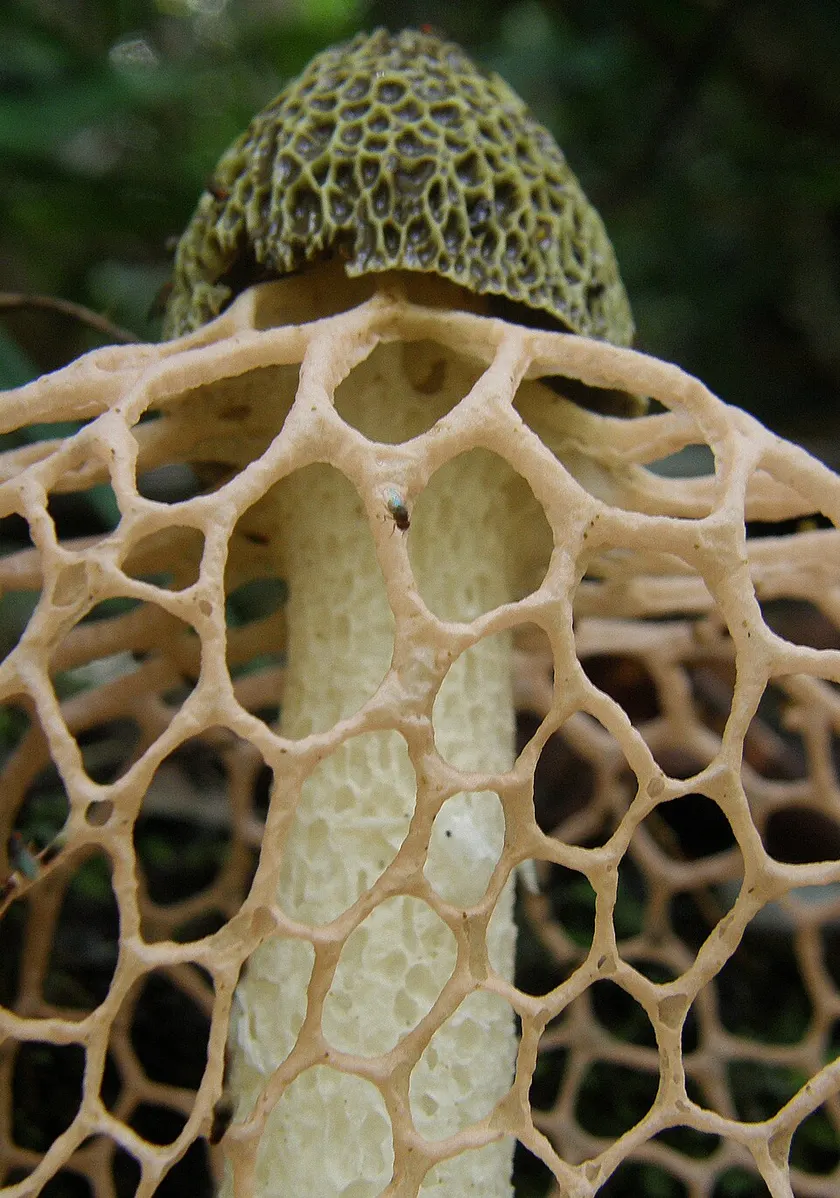 Science
A bridal-veil mushroom turned up on the woodland floor at Ranganathittu
The Hindu reported that a sanctuary biologist found Phallus indusiatus on November 17. The fungus is better known from wetter forests, and it should not be eaten from the wild.
Verified · The Hindu