A bridal-veil mushroom turned up on the woodland floor at Ranganathittu
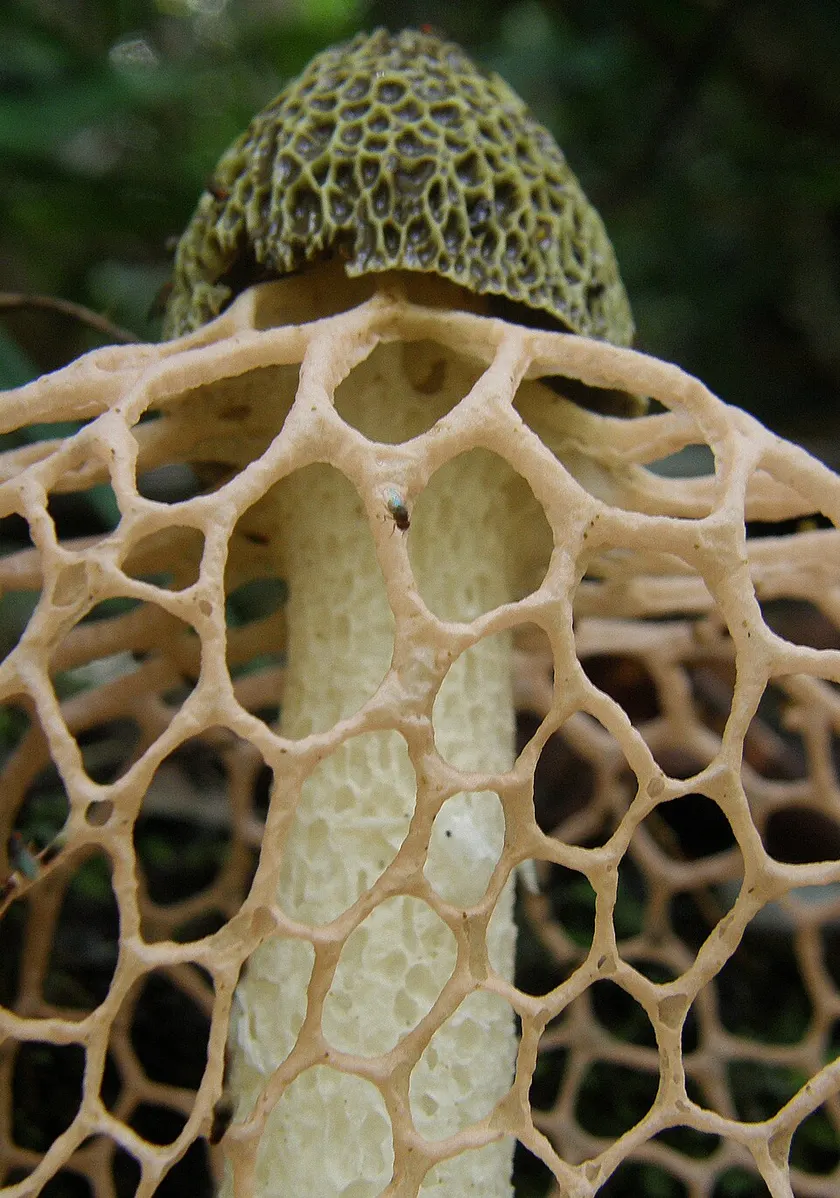
The Hindu reported that a sanctuary biologist found Phallus indusiatus on November 17. The fungus is better known from wetter forests, and it should not be eaten from the wild.

Read the original
The reporting lives at The Hindu. Our summary is checked against it, and we link it on every story.
A biologist at Ranganathittu Bird Sanctuary found a short-lived bamboo mushroom on the woodland floor and called it a delightful encounter. The Hindu reported the sighting on November 20, 2026, from Mysuru. S. Gagana, the sanctuary's biologist and nature education officer, said she came across Phallus indusiatus on November 17: a dark cap, a white stalk, and a lace-like skirt. The net around the stalk is the indusium, which is why the fungus is also called the veiled lady or the bridal veil. The common name bamboo mushroom comes from its habit of growing with bamboo, though Gagana said it also appears in other moist, shaded spots rich in rotting leaves.
Deputy conservator Prabhu Gowda, of the Mysuru wildlife division, said it grows on dead bamboo when moisture and temperature suit it, and that it has a distinctive smell. C. Hemavathi, a retired botany professor in Mysuru, confirmed the identification. She said the species is not uncommon in wetter country such as Kodagu, so its appearance in Ranganathittu's riverine woods is the notable part. The fungus is eaten in some Asian kitchens after it is processed, and Gagana warned that a wild mushroom should not be picked for the table without an expert identification. The news is this one sighting, not a claim that the sanctuary has a new population count.
For the classroom
The Hindu reported on November 20, 2026, that a biologist at Ranganathittu Bird Sanctuary in India found a mushroom that looks like it is wearing a lace skirt. S. Gagana saw it on November 17. Its scientific name is Phallus indusiatus. People also call it the bridal-veil mushroom. The net around the stalk is called an indusium. A retired botany professor confirmed the name and said the fungus is more usual in wetter forests, so finding it beside the river is worth noticing. Wild mushrooms should not be eaten unless an expert has identified them.
- What part of this mushroom makes people think of a veil?
- Why should you leave a wild mushroom where it is, even if it looks pretty?
For a teacher to read with a class. Print the story of the day · Morning announcements · All classroom stories · This week's Good News Friday pack
Srirangapatna, IndiaParksWildlife conservationGood news on November 20
More good news
Other stories in the same neighborhood of kindness.
 Science
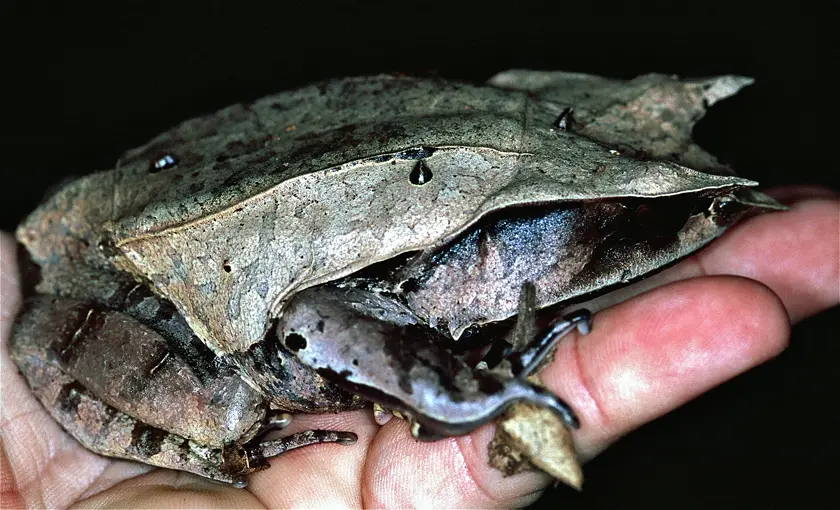
Scientists named five new miniature frog species in Arunachal Pradesh
The BBC reported that a Delhi and Harvard team described the frogs after five years of fieldwork, including the first frog in India known to eat snails.
Verified · BBC News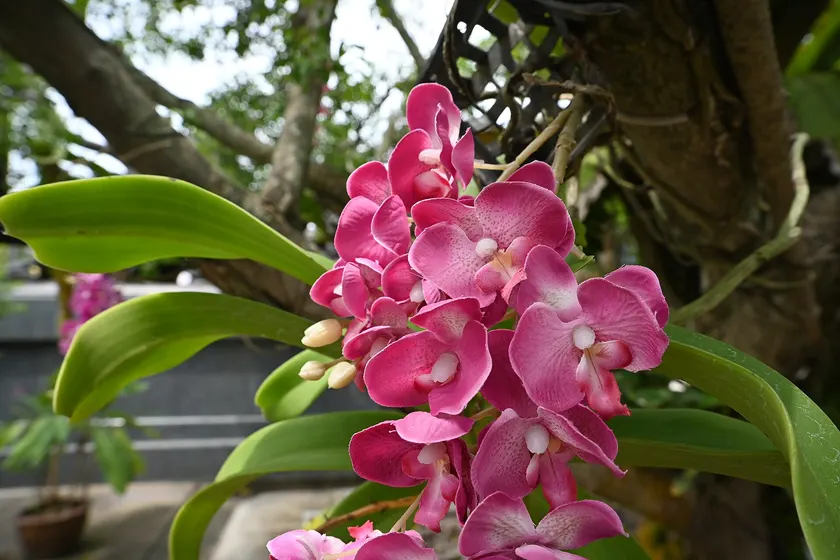 Science
More than 19,500 rescued orchids are still alive near Kozhikode
Researchers tied 27,324 tree-growing orchids onto trees at a beach and two public wetlands before road work felled their hosts. After one to two years, nearly 71 percent were alive.
Verified · Mongabay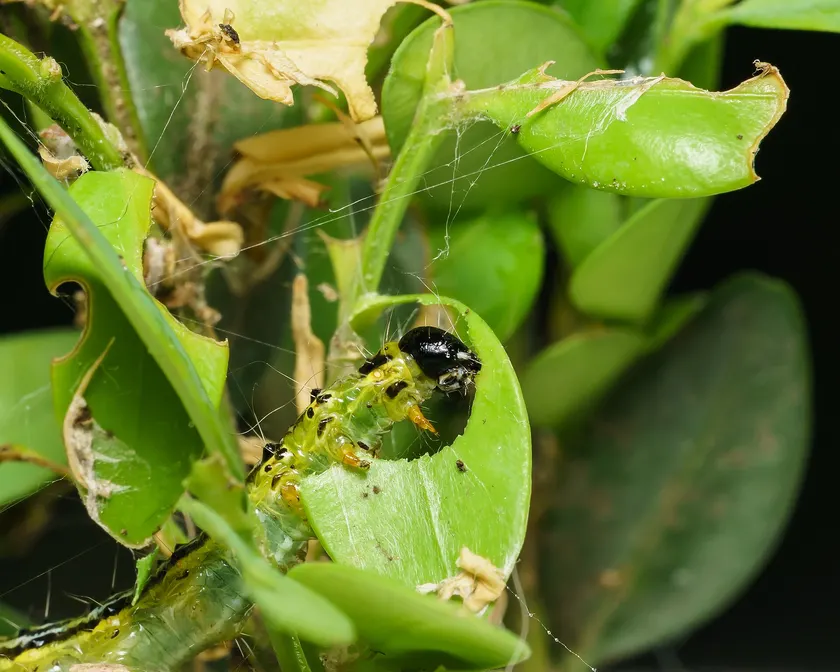 Science
New Delhi researchers found a protein that lets a chewed leaf warn the others
Scientists at the National Institute of Plant Genome Research identified a protein that carries an insect-attack signal from a damaged leaf to undamaged ones. A use in crop sprays is a possibility the news report does not show in a field.
Verified · The Hindu