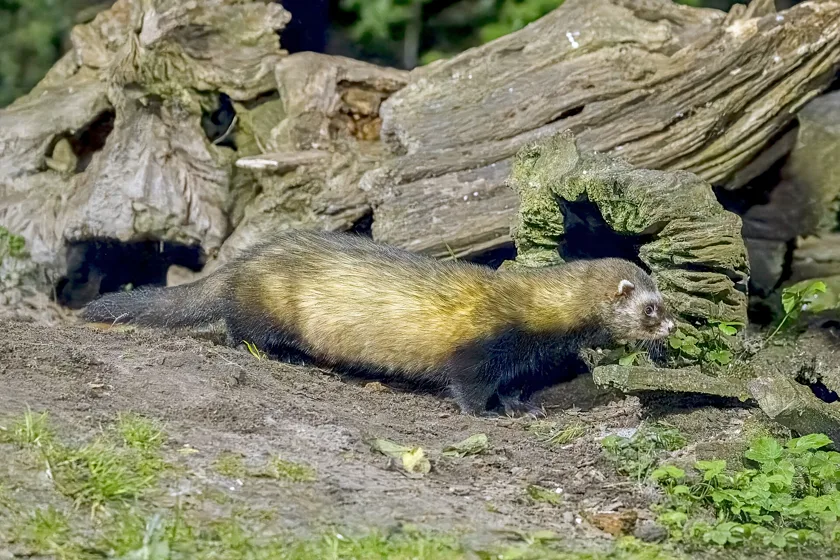
Thirteen European polecats were released in the Albera hills
Catalonia's TuroCat project put nine of them on vineyard land at Mollet de Peralada and planned four more nearby, part of 25 releases aimed for this year.

Read the original
The reporting lives at El Gerió Digital. Our summary is checked against it, and we link it on every story.
Thirteen European polecats went back to the Albera hills in Alt Empordà on Friday. El Gerió Digital, citing the Catalan news agency ACN, reported the release on October 16, 2026, as part of TuroCat, a project the regional government runs with Barcelona Zoo.
Nine of the animals were freed on land the La Vinyeta winery holds at Mollet de Peralada. The other four were to be released at a second point in the Albera. The polecat is listed as endangered in Catalonia. Habitat loss, fewer prey, rodent poison, and road deaths are the pressures the report names. Jordi Sargatal, secretary general for ecological transition, said the same poison that cut the polecat's numbers also removes a hunter that eats rats.
TuroCat began in 2022. From then through 2025 it released 45 animals. With 25 planned this year, including later releases in the Merlès valley and Les Garrigues, the five-year total would be about 70. The animals were raised at wildlife centers, including Pont de Suert, Camadoca, and Raimat Natura, under conditions meant to resemble the wild. The project says some earlier releases have survived and reproduced. One Friday in the vineyards does not rebuild the species. It is another nucleus the team hopes can connect with the next.
For the classroom
El Gerió Digital reported on October 16, 2026, that Catalonia released 13 European polecats in the Albera hills. Nine went onto land at a vineyard in Mollet de Peralada. Four more were planned for another spot nearby. The polecat is a small wild hunter, and it is endangered in Catalonia. A project called TuroCat has been breeding them to live outside again since 2022. By the end of 2025 it had released 45. This year's plan is 25 more, which would bring the five-year total to about 70. Some earlier animals survived and had babies.
- Why would people raise a wild animal and then let it go?
- How can a hunter like a polecat help a farm?
- Where is Catalonia, and what kind of land did these polecats need?
For a teacher to read with a class. Print the story of the day · All classroom stories
More good news
Other stories in the same neighborhood of kindness.
 Animals
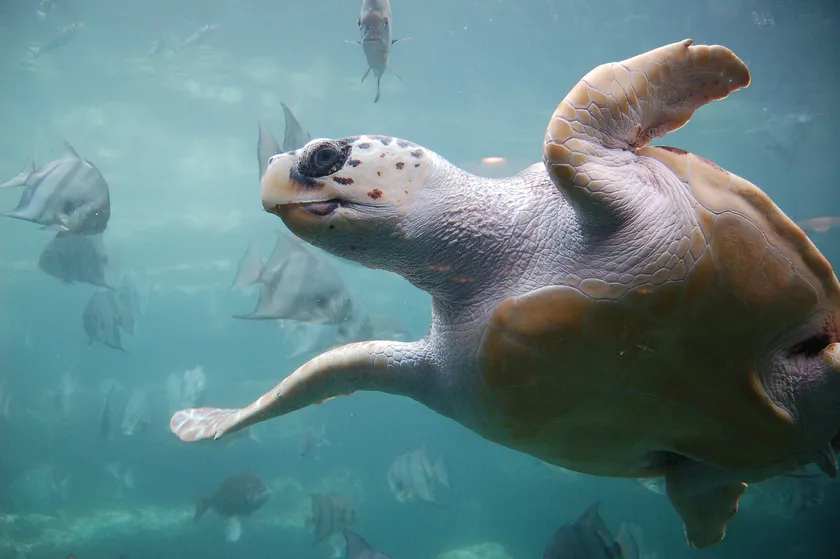
Seven loggerheads raised in Valencia went back to the sea at Benidorm
Schoolchildren watched the turtles enter Poniente Beach after a year and two months of care at Oceanogràfic Valencia.
Verified · Cadena SER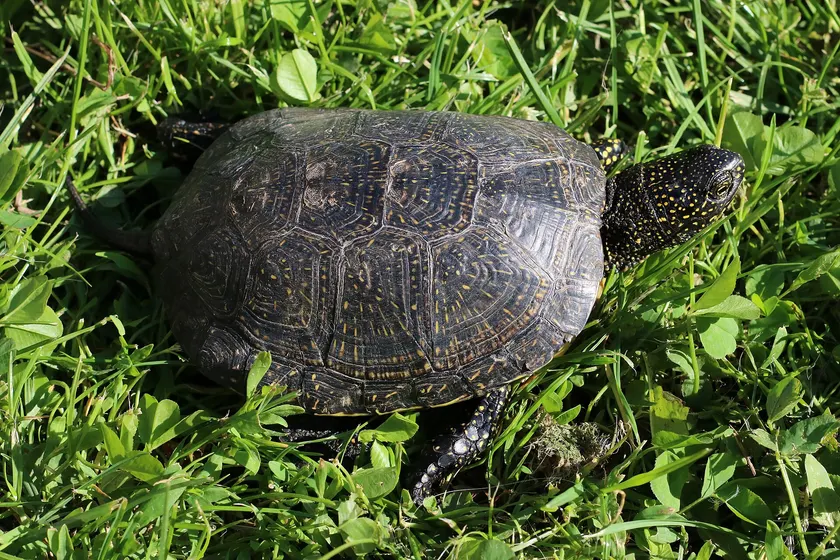 Animals
Twelve pond turtles were released into a spring in l'Albufera
European pond turtles raised at Oceanogràfic and El Palmar went into Ullal de la Senillera, part of the park's 40th year.
Verified · Europa Press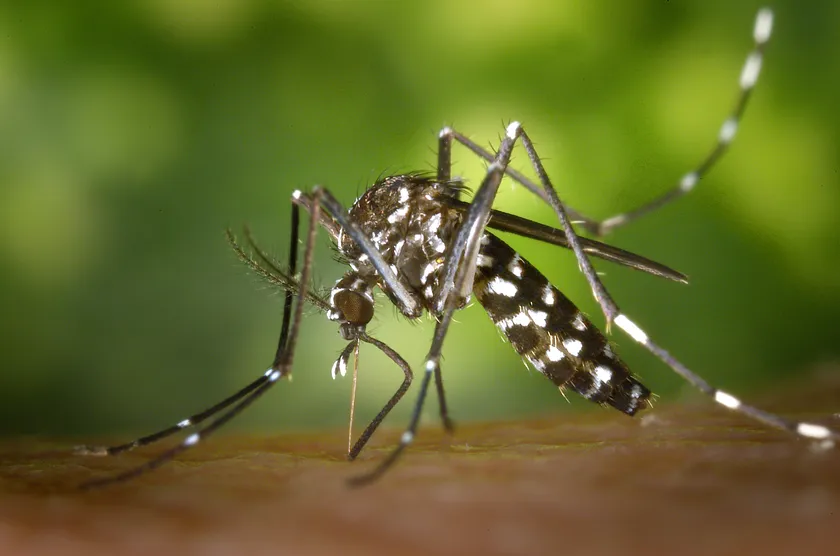 Science
Barcelona is releasing wolbachia mosquitoes that do not bite
The city's public-health agency is letting out 80,000 male tiger mosquitoes a week. The males carry wolbachia so wild females' eggs do not hatch. The trial has not yet reported whether the city's mosquitoes declined.
Verified · El Mundo