Eye buoys and kites cut seabird deaths in Cornish fishing nets
A 17-month trial off Cornwall found predator-shaped kites and spinning eye buoys lowered the odds that diving birds would be caught in gillnets.

Read the original
The reporting lives at Mongabay. Our summary is checked against it, and we link it on every story.
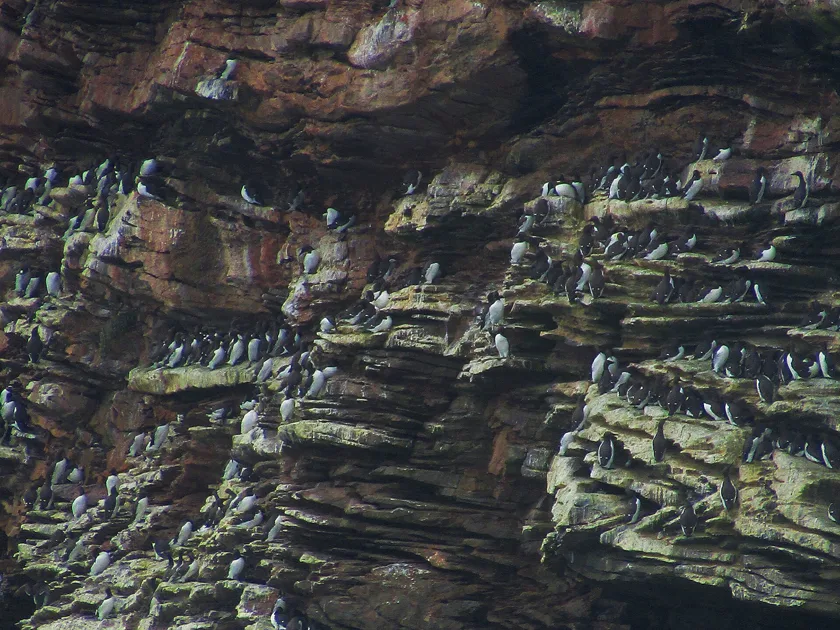
A trial off Cornwall found two simple devices made diving seabirds less likely to end up in gillnets. Mongabay reported on October 23, 2026, on a paper in Conservation Letters led by Tom Horton of the University of Exeter.
Ten fishers set 1,057 camera-monitored nets, about 129 kilometers in all, between October 2023 and March 2025. Nets were paired, one with a deterrent and one without, at least 200 meters apart. Nets with a kite shaped like a bird of prey had 71 percent lower odds of catching an auk, the group that includes guillemots and razorbills. Nets with a spinning buoy painted with large eyes had 59 percent lower odds.
The nets still caught 191 animals that were not fish: 153 birds, 25 seals, and 13 dolphins or porpoises. Guillemots and razorbills were nearly three-quarters of that total, and almost all were dead when hauled. The kites worked poorly in very light wind and were harder to handle in strong wind. More seals turned up in the buoy nets, a hint the authors said needs more testing. A separate Danish trial found the eye buoys stopped deterring birds after about a month. Bycatch in Cornwall peaked in January and February, in sea bass and mackerel nets.
Fisher Micky Bacon, of Mousehole, said he joined because the sea is his workplace and he wanted fishers in the fix. Three authors work for Fishtek Marine, which makes the buoys. Most of the money came from the UK environment department, with some from Equinor, and a separate fund paid three Exeter researchers. The result is a lower risk in one fishery, with limits the paper states, not a claim that bycatch has ended.
More good news
Other stories in the same neighborhood of kindness.
 Science
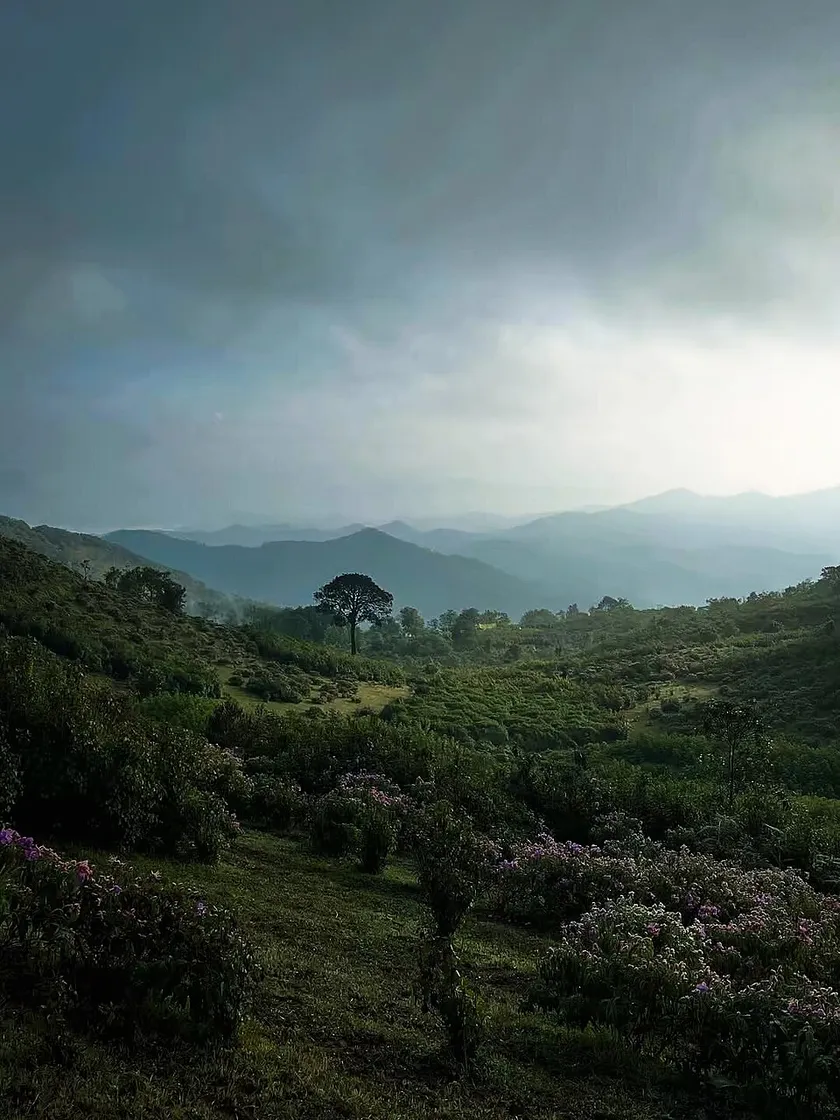
Upper Teesdale's rare alpine plants get three years of seed funding
A local trust received £65,000 to collect seed from arctic-alpine plants and put it back on the fells with volunteers.
Verified · BBC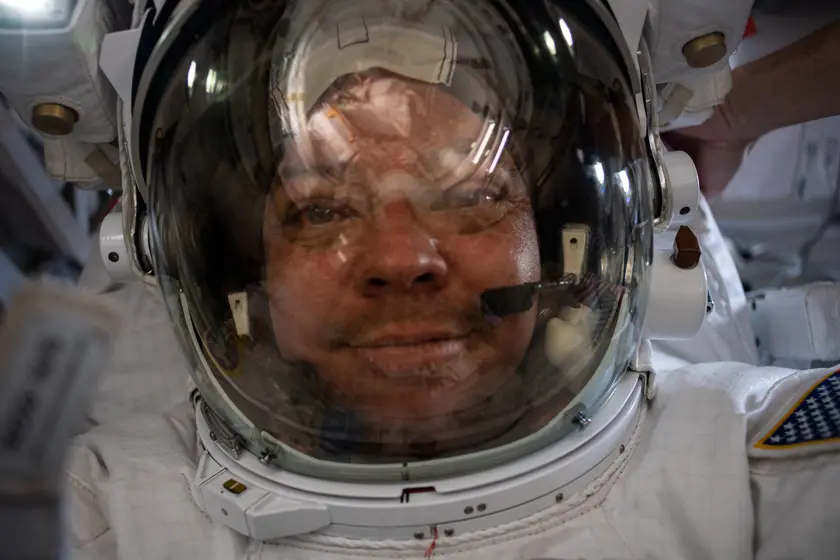 Science
Pupils in Cemaes talked with an astronaut whose school badge flew on the space station
Ysgol Cemaes met NASA astronaut Frank Rubio by video on October 21. A badge the Anglesey school designed earlier this year was already aboard the International Space Station.
Verified · BBC News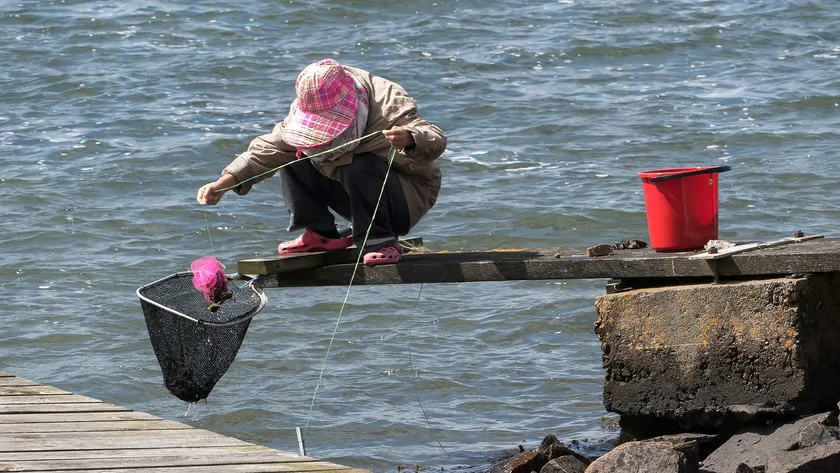 Science
Schoolchildren in Southsea are moving crabs out of a lake before a cleanup
Pupils are catching crabs with hook-free lines so University of Portsmouth researchers can identify them and put them in the sea before sediment is taken out of a seafront lake.
Verified · BBC