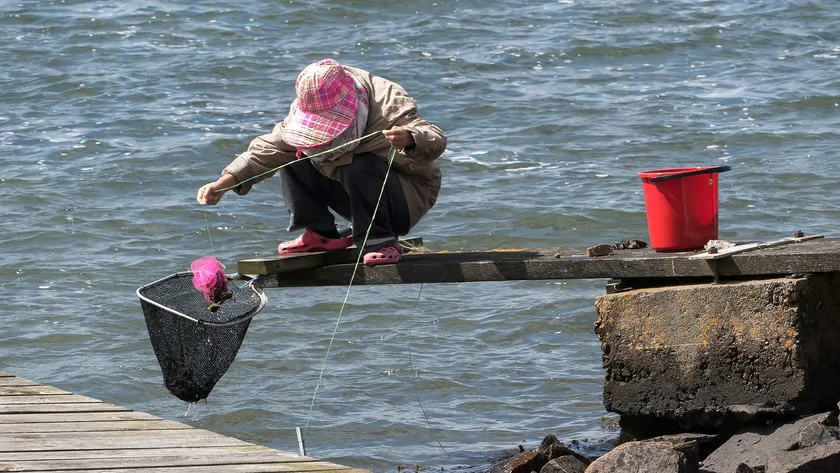
Schoolchildren in Southsea are moving crabs out of a lake before a cleanup
Pupils are catching crabs with hook-free lines so University of Portsmouth researchers can identify them and put them in the sea before sediment is taken out of a seafront lake.

Read the original
The reporting lives at BBC. Our summary is checked against it, and we link it on every story.
Schoolchildren are catching crabs in a Southsea lake so the animals can be named, measured, and carried to the sea before the city removes built-up sediment. BBC reported on October 14, 2026, that pupils are using hook-free crab lines and pots. A team from the University of Portsmouth's Institute of Marine Sciences identifies and measures the crabs, and the city council organized the work.
The lake on the seafront has grown shallower in places after years of sediment, with algae in summer and problems for water quality. BBC said a trial clearance was set to start the Thursday after the report. Professor Alex Ford said the partnership gives children a way to collect data they can use in class, and the Marine Biology Research Group will keep the measurements for its work on the health of the local coast.
The article does not say how many crabs had been moved by October 14. The step it describes is the catch, the identification, and the release ahead of the dig.
For the classroom
BBC reported on October 14, 2026, that schoolchildren in Southsea, England, are helping move crabs out of a seafront lake. The lake has filled with sediment, so the city plans to clear some of it out. Before that work, pupils catch the crabs with lines that have no hooks, and with pots. Researchers from the University of Portsmouth identify and measure each crab, and then the crabs go into the sea. The students' notes will also be used in class and in research on the health of the coast. The cleanup had not started on the day of the report. The news is the catch-and-move that comes first.
- Why move the crabs before people start digging sediment out of the lake?
- What could a class learn from measuring animals and writing the numbers down?
- What lives in a pond or lake near you, and how would you check before a cleanup?
For a teacher to read with a class. Print the story of the day · All classroom stories
More good news
Other stories in the same neighborhood of kindness.
 Science
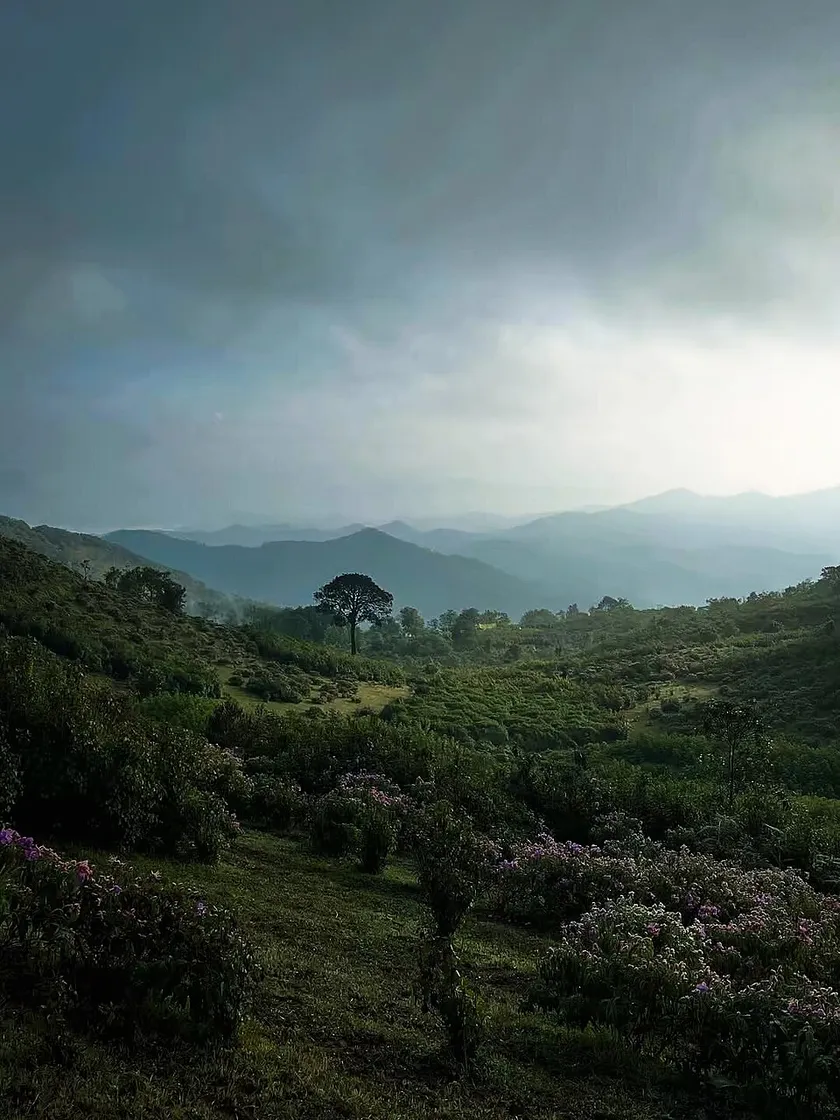
Upper Teesdale's rare alpine plants get three years of seed funding
A local trust received £65,000 to collect seed from arctic-alpine plants and put it back on the fells with volunteers.
Verified · BBC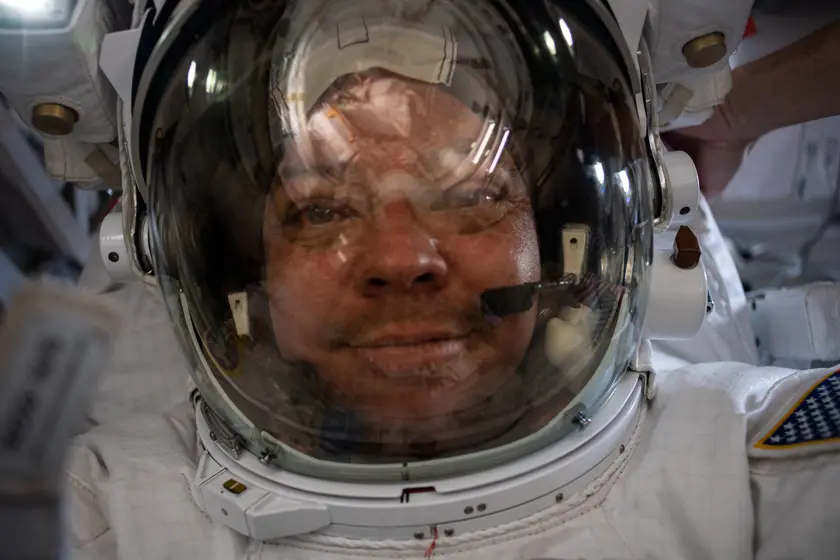 Science
Pupils in Cemaes talked with an astronaut whose school badge flew on the space station
Ysgol Cemaes met NASA astronaut Frank Rubio by video on October 21. A badge the Anglesey school designed earlier this year was already aboard the International Space Station.
Verified · BBC News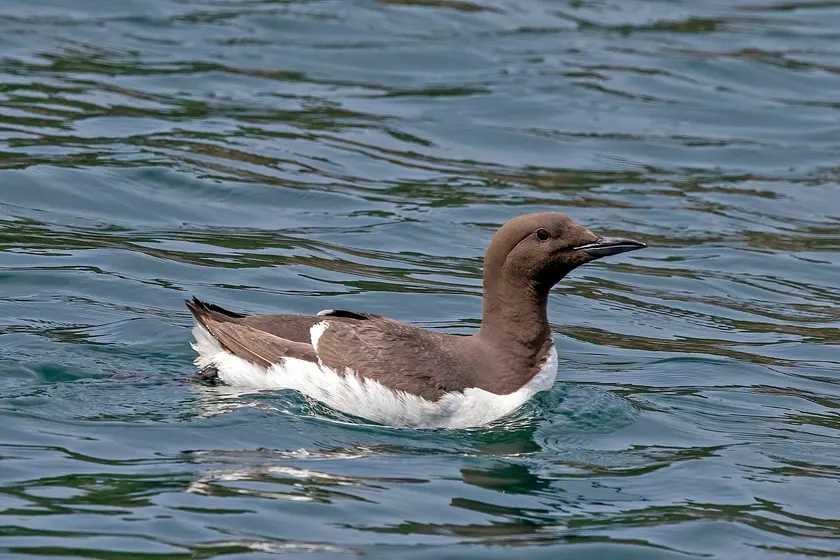 Science
Simple gear cut seabird bycatch on Cornish fishing boats
A two-year trial with 10 Cornish fishers found looming-eye buoys and bird-shaped kites lowered the chance a diving bird was caught in nets.
Verified · The Guardian