Mumbai's natural history museum reopened its fish and reptile gallery
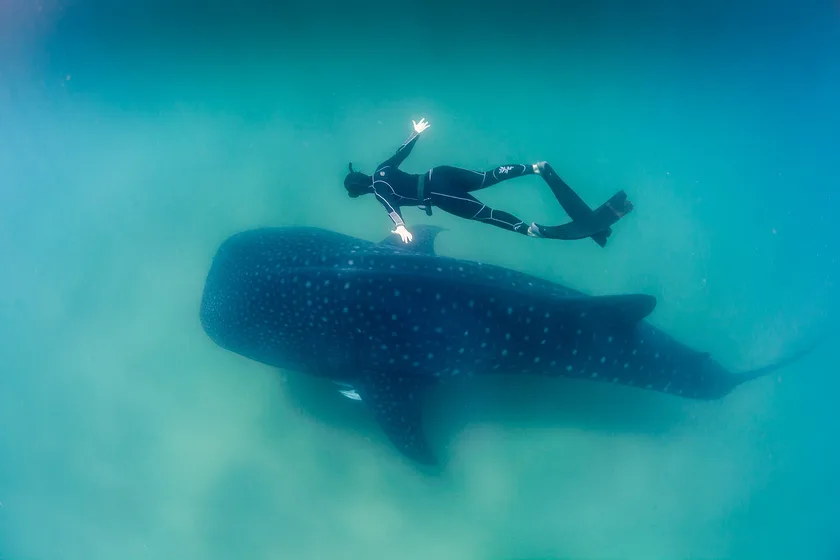
After nearly four years, CSMVS put a 28-foot whale shark and a 20-foot sawfish back on view, with animals from the Mumbai coast. Most specimens were preserved before the 1930s, and more restoration is still underway.

Read the original
The reporting lives at The Times of India. Our summary is checked against it, and we link it on every story.
The Times of India reported on November 6, 2026, that the Chhatrapati Shivaji Maharaj Vastu Sangrahalaya in Fort, Mumbai, has reopened its Fish, Amphibians and Reptiles Gallery after nearly four years, in time for the Diwali holidays. Director general Sabyasachi Mukherjee said the gallery was brought back because young visitors kept asking for it. On view again are a whale shark about 28 feet long, listed as endangered, and a largetooth sawfish about 20 feet long, listed as critically endangered, along with an Indian barramundi, a zebra shark, a guitarfish, a giant tree frog, an Indian star tortoise, and a king cobra from Northeast India. Snakes are grouped as non-venomous, venomous, or mildly venomous.
Curator Manoj Chaudhari said most of the collection was documented and preserved before the 1930s, and that restoration is not finished. A silver pomfret is still in the last stage of the work. He said clay is used as stuffing, and that for some fish the original fins and tails are kept while the body is rebuilt and painted. The animals come from around Mumbai and Nashik as well as Northeast India. A section made with the Coastal Conservation Foundation will use photographs and video of marine and intertidal life along Mumbai's own coast. The news is this reopened gallery. It is not a census of the animals still living offshore.
For the classroom
The Times of India reported that a museum in Mumbai reopened its fish, amphibian, and reptile gallery after nearly four years. The museum's name is Chhatrapati Shivaji Maharaj Vastu Sangrahalaya, in the Fort area. Visitors can see a whale shark about 28 feet long and a sawfish about 20 feet long, plus frogs, tortoises, and a king cobra. Curator Manoj Chaudhari said most of the animals were preserved before the 1930s. Some fish still have their original fins, and a silver pomfret is not finished yet. A new section, with the Coastal Conservation Foundation, will show photos and videos of life along Mumbai's own shore. These are museum animals, not a count of fish in the sea today.
- Why might a museum keep an animal that was preserved almost a hundred years ago?
- What is one animal from a shore near you that you would want a museum to explain?
For a teacher to read with a class. Print the story of the day · Morning announcements · All classroom stories · This week's Good News Friday pack
Mumbai, IndiaKidsWildlife conservationGood news on November 6
More good news
Other stories in the same neighborhood of kindness.
 Community
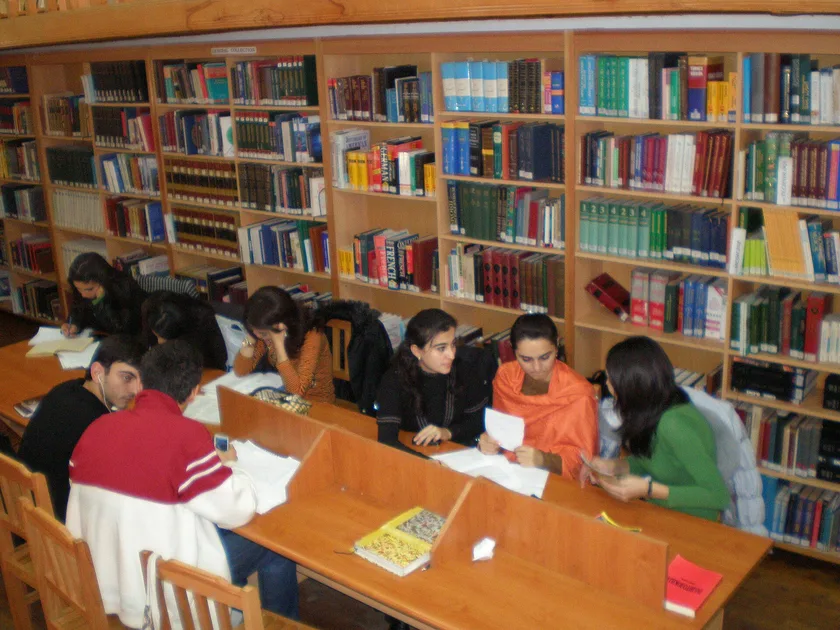
Shillong's State Central Library reopened after a renovation
The Shillong Times reported a Rs 2.23 crore upgrade with new reading rooms, a children's section, archives, and a study corner for exam students. As of March 2026 the library held more than 200,000 volumes and about 31,000 members.
Verified · The Shillong Times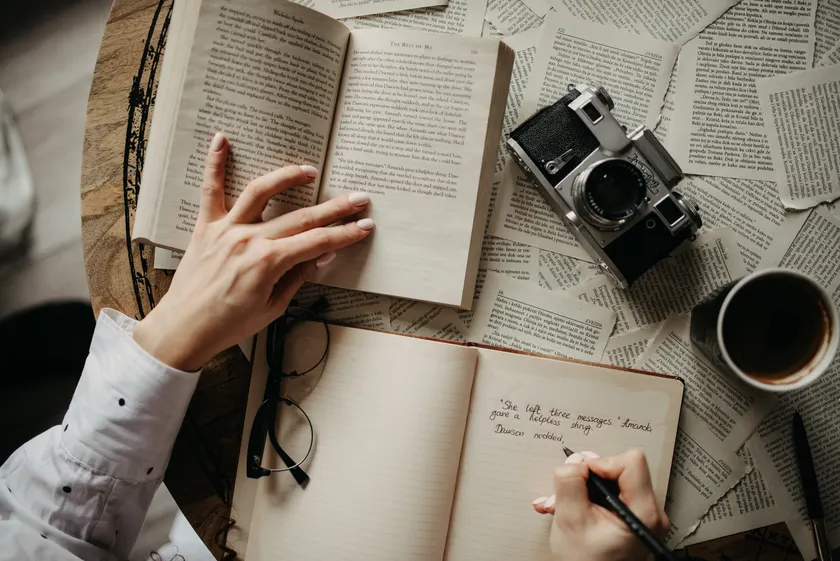 Community
Koppal students wrote and drew 14 picture books of their own
Nineteen government-school students in grades 5 to 8 spent more than a year making the books. They were released Saturday at Bengaluru's National Gallery of Modern Art.
Verified · The Hindu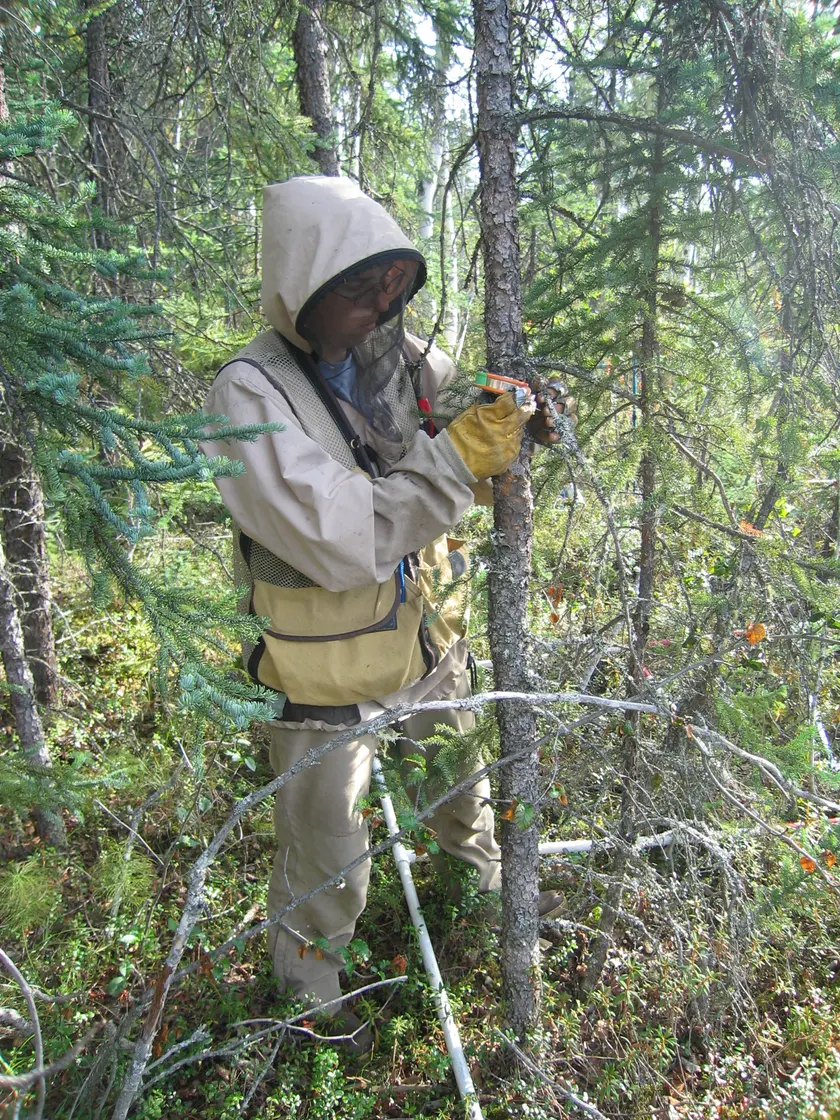 Community
Pune volunteers are mapping riverside trees one weekend at a time
A citizens' group records species, height, and trunk size along the Mula and Mutha with a phone app. The city says it will look at that data when it checks its own tree census.
Verified · Mongabay